
The global spice market is experiencing a surge in demand, driven by culinary expansion, health benefits, and increased global trade. Among the most sought-after spices is mace, a highly aromatic and flavorful spice derived from the aril of the nutmeg seed (Myristica fragrans). As international trade expands, mace price fluctuations have become a critical factor for exporters and importers navigating the competitive spice industry. Understanding these pricing dynamics is essential for businesses seeking profitable opportunities in global markets.
Beyond its economic value, mace holds a significant place in both culinary and medicinal applications. Its warm, slightly sweet aroma enhances a variety of dishes, from baked goods to rich curries, while its natural compounds are believed to provide digestive and anti-inflammatory benefits. This article explores mace pricing for export, its influencing factors, and how trusted suppliers like CV Bonafide Anugerah Sentosa ensure quality and consistency in the global spice trade.
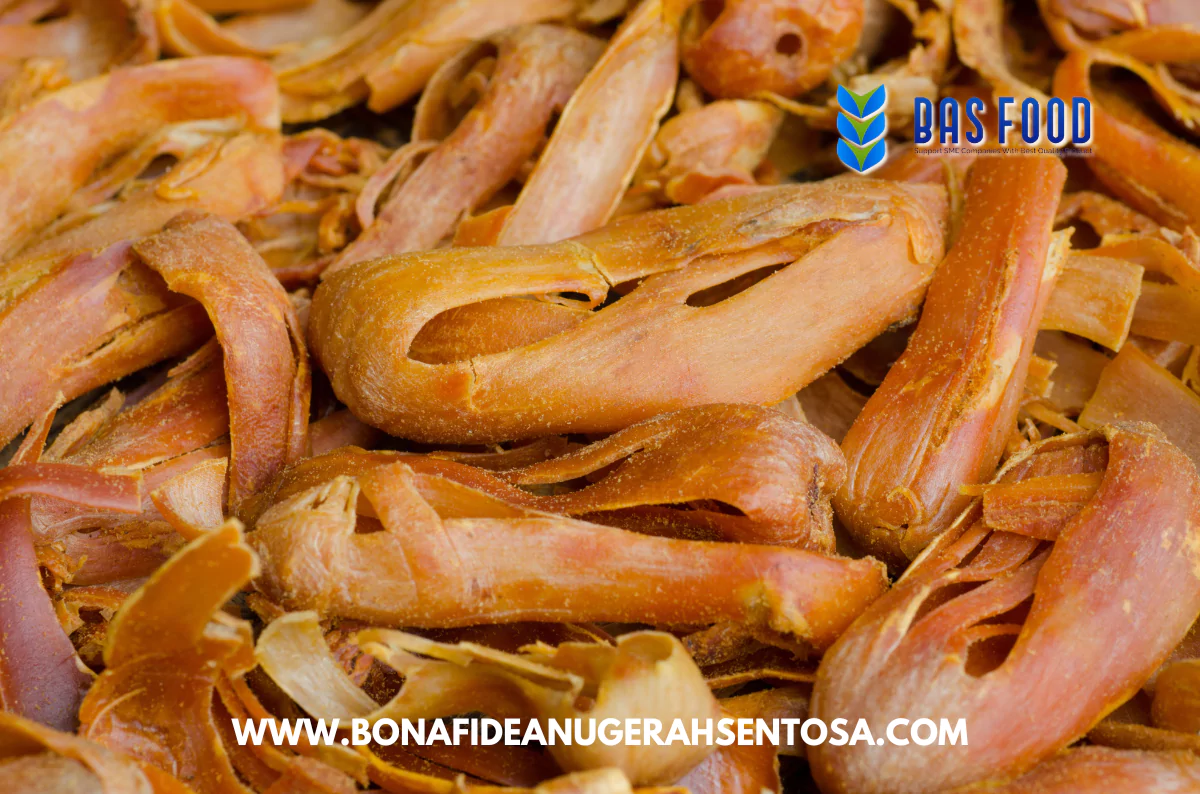
What is Mace? Origins, Characteristics, and Uses
Mace is the lacy, red aril surrounding the nutmeg seed. It transforms into a yellowish-brown hue when dried. Unlike nutmeg, which has a more intense flavor, mace offers a mildly sweet, warm, and slightly spicy taste, making it a favorite ingredient in:
- Baking – Cakes, pastries, and spice blends.
- Savory dishes – Soups, stews, and sauces.
- Beverages – Herbal teas and cocktails.
- Pharmaceuticals and perfumes – Due to its aromatic compounds.
Factors Influencing Mace Price in the Global Market
The mace price fluctuates based on several key elements:
- Supply & Demand – Affected by production yields and seasonal availability.
- Climate Conditions – Unpredictable weather and natural disasters can impact supply.
- Market Trends – Consumer demand in key regions like the Middle East, Europe, and North America influences pricing.
Mace Price for Export: Current Rates and Market Trends
Exporters must monitor mace price trends closely to stay competitive, as market fluctuations can significantly impact profit margins. The price of mace is influenced by various factors, including global demand, climatic conditions, and production rates in key exporting countries. A surge in consumer interest, especially in regions like the Middle East and Europe, has driven up prices, while unpredictable weather patterns in producing nations add another layer of volatility.
Understanding these dynamics allows businesses to make informed purchasing decisions and maintain a steady supply chain. Exporters who establish strong relationships with trusted suppliers and continuously track pricing changes can secure better deals and maintain product consistency. As of recent data:
- Premium Grade Mace (FOB) – $15.75 per kg
- Price Variations – Prices differ based on quality, region, and buyer requirements.
- Global Market Influence – India, Indonesia, Sri Lanka, and Grenada are top exporters impacting price trends.
Mace Specifications for Export: Quality Standards and Grades
The mace price for export is directly linked to its quality classification. Buyers and traders prioritize high-quality mace to ensure superior flavor and longer shelf life, making it essential for exporters to adhere to strict grading standards. Premium-grade mace commands a higher price due to its vibrant red color, minimal impurities, and uniform appearance. These factors contribute to its appeal in global markets, where buyers demand consistency and excellence.
Export-quality mace is classified based on specific criteria:
- Grade: HPS quality and Perfunctory grade
- Color: Bright red for premium, inferior color max 5%
- Foreign Matters: 1% max
Maintaining these standards ensures high market value and international acceptance.
Top Exporting Countries and Importing Markets for Mace
- Major Producers – Indonesia, India, Sri Lanka, and the Caribbean.
- Key Importers – USA, China, UAE, Germany, and the Netherlands.
- Emerging Markets – Growth in demand from African and Latin American countries.
Challenges in Mace Export: Logistics, Regulations, and Pricing Volatility
Exporting mace involves overcoming challenges such as:
- Regulatory Compliance – Strict quality control and certification standards.
- Market Fluctuations – Unstable currency exchange rates affecting pricing.
- Storage & Packaging – Maintaining freshness during long transit periods.
CV Bonafide Anugerah Sentosa: A Trusted Exporter of Mace and Spices
For businesses looking for a reliable mace supplier, CV Bonafide Anugerah Sentosa stands out as a trusted name in the spice export industry. With years of expertise, they ensure that their mace price remains competitive while maintaining premium quality to meet international standards. The company has built strong relationships with global buyers, guaranteeing consistency in supply and adherence to strict grading specifications.
By sourcing directly from high-quality plantations, CV Bonafide Anugerah Sentosa provides superior mace with vibrant color, optimal moisture levels, and minimal foreign matter. Their transparent pricing policy and commitment to excellence make them a preferred choice for importers worldwide. They offer:
- High-Quality Mace meeting international standards.
- Competitive Pricing with transparent trade terms.
- Global Export Expertise ensuring smooth transactions and logistics.
How to Source High-Quality Mace for Export?
The mace price for export depends significantly on sourcing strategies and supplier reliability. Businesses aiming to secure premium-grade mace must navigate market fluctuations while ensuring product consistency. Factors such as proper drying techniques, storage conditions, and adherence to international standards play a crucial role in maintaining quality. The right supplier can provide not only competitive pricing but also assurance of purity and authenticity.
To secure premium-grade mace, businesses should:
- Partner with Trusted Exporters – Ensure suppliers have proven industry credibility.
- Verify Quality Certifications – Compliance with HACCP, ISO, and organic certifications.
- Negotiate Payment & Shipping Terms – FOB, CIF, and payment security considerations.
Conclusion: Key Takeaways on Mace Price for Export
The mace price continues to rise as global demand surges across multiple industries. From the food sector to pharmaceuticals and cosmetics, businesses seek this prized spice for its distinct aroma, flavor, and medicinal properties. With its increasing market value, exporters and importers must navigate fluctuating prices while securing high-quality supplies.
Mace’s versatility makes it an indispensable ingredient in numerous products, influencing both culinary traditions and modern applications. As international trade grows, sourcing reliable suppliers and understanding market trends become critical in maintaining a competitive edge in the spice industry.
Pricing is influenced by supply, climate, and global trade trends.
Working with a trusted exporter like CV Bonafide Anugerah Sentosa ensures quality, reliability, and competitive pricing. For businesses seeking premium-grade mace at competitive prices, connecting with a reputable supplier is crucial. Contact CV Bonafide Anugerah Sentosa today for high-quality mace and other top-tier spices for export! Contact us today to discuss your specific needs and how we can provide the best solutions for you. WhatsApp: +62 8213 4505 737, Email: info@bonafideanugerahsentosa.com / bas.mdir@gmail.com