
The global demand for natural sweeteners continues to grow as consumers and food manufacturers search for alternatives that offer authentic flavor, simple ingredients, and sustainable sourcing. Among these natural sweeteners, palm sugar has gained strong attention because of its rich caramel taste, traditional production methods, and versatility across many food and beverage applications. For international buyers, the opportunity to import palm sugar from Indonesia has become increasingly attractive. Indonesia is one of the world’s leading producers of palm sugar, supported by abundant palm resources, experienced farmers, and a growing export industry. From beverage manufacturers and bakeries to distributors and retail brands, many businesses are exploring Indonesian palm sugar as a premium ingredient for their products.
However, importing food ingredients requires careful planning. Buyers need to understand product specifications, supplier selection, documentation, shipping requirements, and the overall import procedure before placing orders.
A successful import process depends on choosing the right partner. A professional palm sugar supplier and palm sugar exporter can help international buyers navigate quality requirements, packaging options, logistics, and compliance with destination market regulations.
This guide explains everything businesses need to know about how to import palm sugar from Indonesia, including sourcing strategies, customs requirements, supplier selection, and practical steps for building a reliable supply chain.
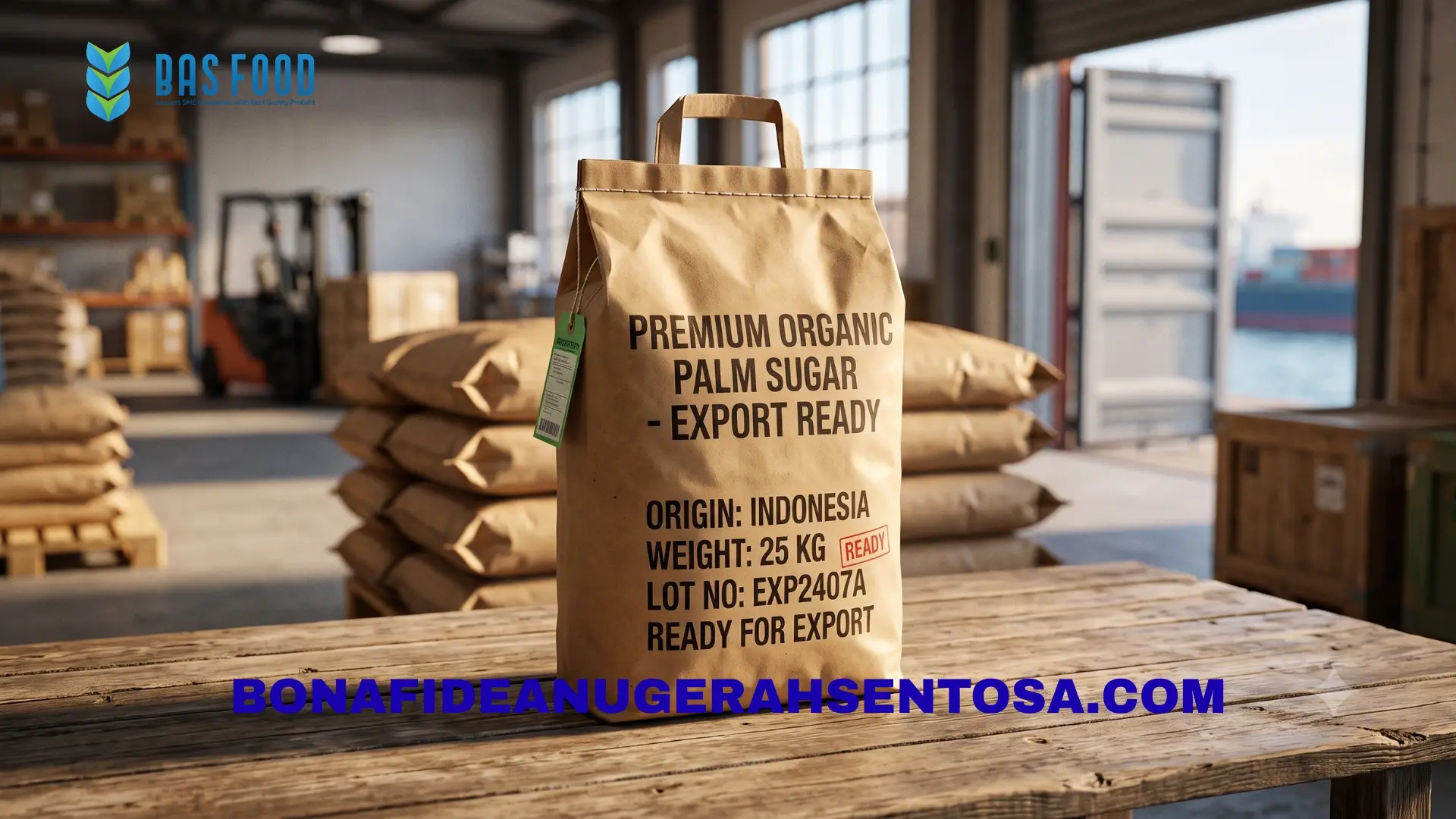
Why Global Buyers Choose Indonesian Palm Sugar
Indonesia has a long history of producing palm sugar. Across many regions, farmers collect sap from palm trees using traditional harvesting methods passed down through generations.
The collected sap is carefully processed through heating and evaporation until it becomes a naturally sweet product with a distinctive caramel aroma and brown color.
Today, Indonesian palm sugar combines traditional knowledge with modern food production standards. Many exporters have developed advanced processing facilities that support international requirements while maintaining the authentic characteristics of the product.
There are several reasons why international buyers choose Indonesian palm sugar:
- Natural flavor profile
- Competitive pricing
- Strong production capacity
- Traditional farming expertise
- Flexible packaging options
- Export experience
- Growing quality standards
For companies looking for natural sweeteners, Indonesia provides a reliable sourcing destination with significant long-term potential.
Understanding Different Types of Indonesian Palm Sugar
Before starting the import process, buyers should understand the different forms of palm sugar available.
Different industries require different specifications depending on their applications.
Granulated Palm Sugar
Granulated palm sugar is one of the most popular formats for international markets.
It is commonly used in:
- Beverage production
- Coffee products
- Bakery applications
- Food processing
- Retail products
Its consistent particle size makes it easy to measure and blend.
Powder Palm Sugar
Powder palm sugar offers faster dissolution and is often preferred for instant beverage products.
It works well for:
- Coffee mixes
- Tea powders
- Drink formulations
- Food manufacturing
Block Palm Sugar
Traditional block palm sugar remains popular in certain markets and culinary applications.
Liquid Palm Sugar
Liquid palm sugar is used by food manufacturers requiring easy mixing and processing.
Selecting the correct product format is an important step when planning to import palm sugar from Indonesia.
Step One: Finding the Right Palm Sugar Supplier in Indonesia
Choosing the right supplier is one of the most important parts of the importing process.
A reliable palm sugar supplier should provide consistent quality, transparent communication, and professional export support.
Many buyers make the mistake of focusing only on price. However, the lowest price does not always provide the best value.
A good supplier should offer:
Product Consistency
Every shipment should meet agreed specifications.
Important factors include:
- Color
- Flavor
- Moisture content
- Particle size
- Packaging quality
Production Capacity
The supplier should have enough capacity to support regular orders.
This is especially important for manufacturers and distributors with growing demand.
Quality Control
International buyers should ask about:
- Laboratory testing
- Quality inspection
- Food safety procedures
- Product traceability
Export Experience
A supplier with export experience understands international documentation, shipping procedures, and customer requirements.
Working with an experienced palm sugar exporter reduces potential problems during international trade.
Step Two: Product Sampling and Quality Evaluation
Before placing a large order, professional buyers usually request product samples.
Sampling allows companies to evaluate whether the product matches their production requirements.
During the evaluation stage, buyers should review:
Taste Profile
Palm sugar should provide natural sweetness with pleasant caramel notes.
Aroma
High-quality palm sugar has a clean and attractive aroma.
Color
Natural variation is normal, but the product should match the agreed specification.
Moisture Level
Proper moisture control helps maintain shelf life and product stability.
Solubility
For beverage applications, dissolution performance is important.
A professional supplier should provide product specifications and supporting documents to help buyers make informed decisions.
Step Three: Understanding the Import Procedure
The import procedure for palm sugar involves several important steps.
Although requirements may differ depending on the destination country, the general process usually includes:
1. Supplier Research
Buyers identify potential Indonesian suppliers and compare:
- Product quality
- Price
- Certifications
- Packaging options
- Export experience
2. Sample Approval
The buyer reviews samples and confirms product specifications.
3. Price and Contract Agreement
Both parties agree on:
- Product quantity
- Packaging
- Payment terms
- Shipping terms
- Delivery schedule
4. Production
The supplier prepares the order according to agreed specifications.
5. Export Documentation
The exporter prepares required documents.
Common documents include:
- Commercial invoice
- Packing list
- Certificate of origin
- Bill of lading
- Certificate of analysis
- Health documents (if required)
6. Shipment
The goods are shipped through sea or air transportation depending on order requirements.
7. Customs Clearance
The buyer completes the necessary customs procedures in the destination country.
Understanding this process helps importers prepare better and avoid unnecessary delays.
Customs Requirements When Importing Palm Sugar
Every country has different food import regulations.
Therefore, buyers must understand local customs requirements before importing palm sugar.
Important considerations include:
Product Classification
Palm sugar must use the correct HS code for customs declaration.
Import Documentation
Incorrect or incomplete documents can delay shipments.
Food Safety Regulations
Many countries require specific food safety documentation.
Labeling Requirements
Imported products may need labels containing:
- Product name
- Ingredients
- Weight
- Country of origin
- Manufacturer information
- Expiry information
A professional palm sugar exporter can help prepare export documents and provide guidance based on international shipping experience.
Sourcing Indonesia: Why It Is a Smart Business Decision
Many international companies choose sourcing Indonesia because the country offers strong advantages for natural ingredient supply.
Indonesia provides access to:
- Experienced agricultural communities
- Large production areas
- Competitive manufacturing costs
- Diverse natural products
- Export-ready suppliers
For food manufacturers, sourcing directly from Indonesia can create better supply chain control and stronger supplier relationships.
Instead of purchasing through multiple intermediaries, businesses can work directly with producers and exporters.
This approach often provides:
- Better pricing
- Clear communication
- Product customization
- Long-term cooperation opportunities
Packaging Options for International Palm Sugar Buyers
Packaging plays an important role in successful imports.
Different buyers require different packaging solutions.
Bulk Packaging
Industrial buyers often choose:
- 20 kg bags
- 25 kg bags
- Large food-grade packaging
Bulk packaging is suitable for manufacturers using palm sugar as an ingredient.
Retail Packaging
Retail brands may require:
- Small pouches
- Custom printed bags
- Private label packaging
Customized Packaging
Many exporters offer customized solutions based on customer needs.
A flexible palm sugar supplier can provide packaging options suitable for different markets.
Working With a Coconut Sugar Supplier for Multiple Sweetener Options
Many international buyers are interested in more than one natural sweetener.
A company that works with a coconut sugar supplier may also explore palm sugar options.
Although coconut sugar and palm sugar come from different palm species, both are popular natural sweeteners with growing global demand.
Working with suppliers that provide multiple products can offer advantages:
- Easier procurement
- Combined shipments
- Reduced supplier management
- Broader product portfolio
For food companies developing different product categories, this approach can improve sourcing efficiency.
Common Mistakes When Importing Palm Sugar
Importing ingredients requires attention to detail.
Some common mistakes include:
Choosing Suppliers Only Based on Price
Low prices may create quality problems later.
Not Checking Samples
Skipping product evaluation increases risk.
Ignoring Documentation
Incomplete paperwork can delay customs clearance.
Not Understanding Market Requirements
Each country has different import rules.
Poor Communication
Clear communication helps prevent misunderstandings.
Working with an experienced exporter helps avoid these challenges.
Future Opportunities for Indonesian Palm Sugar Imports
The market opportunity for palm sugar continues expanding.
Several industries are increasing their use of natural sweeteners:
- Specialty coffee
- Beverage manufacturing
- Bakery products
- Health foods
- Organic products
- Plant-based foods
As consumers continue moving toward cleaner ingredient choices, demand for Indonesian palm sugar is expected to grow.
Businesses that establish reliable supplier relationships today can benefit from long-term market opportunities.
Final Thoughts
For companies looking for premium natural sweeteners, choosing to import palm sugar from Indonesia offers many advantages. Indonesia provides abundant resources, experienced producers, competitive pricing, and export-ready suppliers capable of serving global markets.
However, successful importing requires careful preparation. Buyers need to understand the import procedure, evaluate product quality, prepare customs documentation, and select a reliable business partner.
Working with an experienced palm sugar supplier and palm sugar exporter helps simplify the sourcing process while ensuring consistent product quality and reliable delivery.
For businesses looking to expand their natural sweetener portfolio, partnering with Indonesian suppliers, including a trusted coconut sugar supplier, creates opportunities for sustainable growth in the global food and beverage industry.
With proper planning and the right supplier relationship, importing Indonesian palm sugar can become a valuable investment for manufacturers, distributors, retailers, and food brands worldwide.
Frequently Asked Questions (FAQ)
1. Why should companies import palm sugar from Indonesia?
Companies choose to import palm sugar from Indonesia because the country offers high-quality products, experienced producers, competitive pricing, and reliable export capabilities.
2. What is the import procedure for Indonesian palm sugar?
The general import procedure includes supplier selection, sample approval, contract agreement, production, export documentation, shipment, and customs clearance.
3. What documents are required when importing palm sugar?
Common documents include:
- Commercial invoice
- Packing list
- Bill of lading
- Certificate of origin
- Certificate of analysis
- Health certificates when required
Requirements may vary depending on the destination country.
4. How do I find a reliable palm sugar supplier in Indonesia?
Look for suppliers with export experience, consistent quality, proper documentation, food safety practices, and good communication.
5. What is the role of a palm sugar exporter?
A palm sugar exporter manages international shipments, export documentation, logistics, and communication with overseas buyers.
6. Can I buy wholesale palm sugar directly from Indonesia?
Yes. Many Indonesian suppliers provide wholesale palm sugar for manufacturers, distributors, retailers, and food businesses.
7. Can a coconut sugar supplier also provide palm sugar?
Many Indonesian natural sweetener companies supply both coconut sugar and palm sugar products.
8. How long does the palm sugar import process take?
The timeline depends on production schedules, shipping routes, customs procedures, and destination country requirements.