
The global demand for natural sweeteners continues to rise as food manufacturers, distributors, and consumers seek ingredients that deliver excellent flavor and consistent quality. Among the many natural sweeteners available today, high quality palm sugar has earned a strong reputation for its rich caramel taste, natural production process, and versatility across a wide range of food applications.
However, not every palm sugar product offers the same level of quality. Some products have excellent color consistency, clean aroma, and reliable performance, while others may vary in moisture, appearance, or flavor. For importers and food manufacturers, understanding how to identify premium palm sugar is essential for maintaining product consistency and meeting customer expectations.
Whether you produce bakery items, beverages, confectionery, sauces, or health foods, choosing the right palm sugar supplier can directly influence the quality of your finished products. Understanding premium palm sugar quality, evaluating palm sugar color, recognizing the ideal palm sugar aroma, and performing effective quality inspection all contribute to smarter sourcing decisions.
This complete guide explains everything international buyers should know about selecting high quality palm sugar, from production methods and quality standards to packaging, inspections, and supplier evaluation.
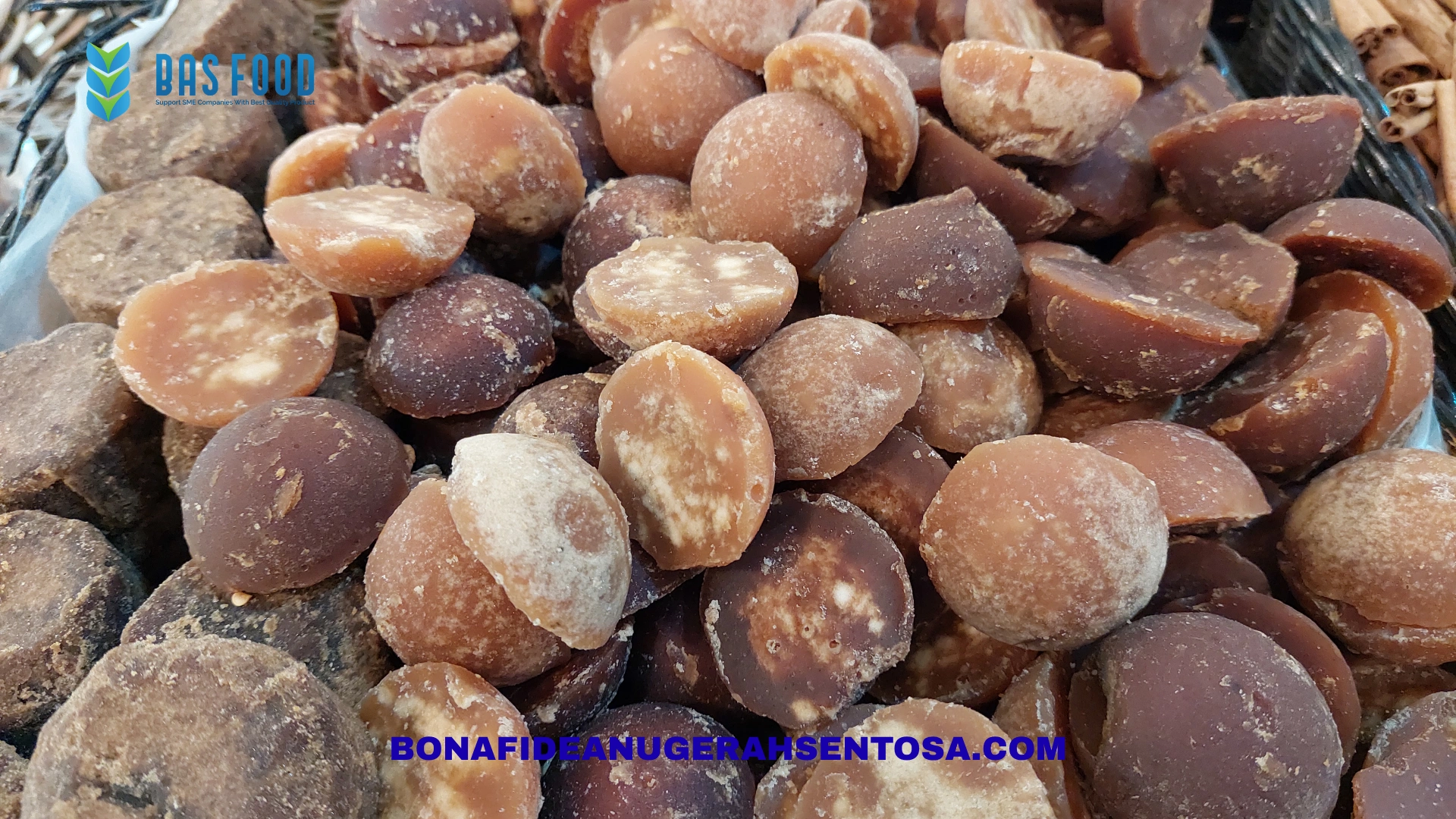
Why High Quality Palm Sugar Matters
When sourcing ingredients for commercial food production, consistency is just as important as price.
A reliable supply of high quality palm sugar helps manufacturers maintain uniform flavor, appearance, and processing performance across every production batch. Customers expect products to taste the same every time they buy them, and ingredient consistency makes that possible.
High-quality palm sugar also reduces production problems. Products with stable moisture content and uniform particle size dissolve more easily, mix more consistently, and improve manufacturing efficiency.
For international buyers, premium quality also reduces the risk of shipment rejection, customer complaints, and unnecessary production delays. Investing in better raw materials often leads to lower overall costs in the long run because manufacturers experience less waste and fewer quality issues.
What Defines High Quality Palm Sugar?
Professional buyers evaluate multiple characteristics before determining whether a product qualifies as high quality palm sugar.
Instead of focusing on a single feature, experienced importers examine the complete combination of appearance, aroma, texture, moisture, cleanliness, and consistency.
These characteristics reflect both the quality of the raw materials and the production process used by the manufacturer.
Reliable exporters maintain strict quality control from coconut or palm sap collection through packaging, helping ensure every shipment meets customer specifications.
Premium Palm Sugar Quality Starts with Raw Materials
Excellent products begin long before processing.
Fresh sap collected from healthy palm trees provides the foundation for premium palm sugar quality.
Experienced farmers carefully harvest fresh sap while maintaining cleanliness throughout the collection process. Fresh sap should be processed quickly because natural fermentation begins soon after harvesting.
Quality-oriented producers work closely with farming communities to ensure consistent harvesting methods and proper handling practices.
By controlling raw material quality from the beginning, manufacturers can produce palm sugar with better flavor, color, aroma, and shelf life.
Palm Sugar Color: A Key Indicator of Quality
One of the first characteristics buyers notice is palm sugar color.
Although color can vary naturally depending on production methods and raw materials, high-quality palm sugar generally displays a consistent golden-brown to dark-brown appearance.
Uniform color often indicates careful temperature control during cooking and consistent processing techniques.
Products with uneven colors, excessive dark spots, or burnt appearance may indicate inconsistent heating or poor production control.
For manufacturers producing premium consumer products, consistent color helps create attractive finished products while supporting brand quality standards.
Importers often include color specifications in purchase agreements to ensure every shipment meets production requirements.
Palm Sugar Aroma Reveals Production Quality
Another important indicator is palm sugar aroma.
Premium palm sugar should have a pleasant caramel-like smell with mild toasted notes.
The aroma develops naturally during the slow cooking process as fresh sap becomes concentrated.
Burnt odors may indicate excessive cooking temperatures, while sour smells can suggest poor handling or fermentation before processing.
Professional buyers frequently evaluate aroma during incoming inspections because it provides valuable information about production quality.
A clean and natural aroma also contributes to better flavor in finished food products.
The Importance of Texture and Moisture
Texture influences both product quality and manufacturing performance.
High-quality palm sugar should have a consistent texture that flows easily without excessive clumping.
Proper moisture control is one of the most important quality factors.
Low moisture levels improve shelf life, reduce microbial risks, and prevent product caking during storage and transportation.
Manufacturers producing powdered palm sugar pay especially close attention to moisture because fine particles absorb humidity more quickly than block products.
Reliable exporters routinely monitor moisture throughout production to ensure consistent quality.
Quality Inspection: Ensuring Every Shipment Meets Expectations
Effective quality inspection protects both buyers and suppliers.
Professional exporters inspect products throughout every production stage rather than relying only on final testing.
Typical inspection procedures include:
Raw Material Inspection
Fresh sap is checked for cleanliness and overall quality before processing begins.
Using high-quality raw materials creates a stronger foundation for premium finished products.
Production Monitoring
Manufacturers monitor cooking temperatures, moisture levels, filtration, and crystallization throughout production.
These controls help maintain consistent product characteristics.
Laboratory Testing
Many exporters perform laboratory analysis to verify moisture content, microbiological safety, and product specifications.
Testing helps ensure compliance with customer requirements.
Packaging Inspection
Before shipment, packaging materials are inspected for strength, cleanliness, and moisture resistance.
Strong packaging helps preserve product quality during international transportation.
Why Packaging Protects High Quality Palm Sugar
Even the best palm sugar can lose quality if packaging is inadequate.
Professional exporters use moisture-resistant packaging designed to protect products during long shipping journeys.
Good packaging helps maintain:
- Product freshness
- Texture
- Aroma
- Color consistency
- Shelf life
Packaging also protects products from contamination, dust, insects, and environmental moisture.
For bulk shipments, many suppliers offer customized packaging solutions based on customer requirements.
Choosing appropriate packaging is an essential part of maintaining high quality palm sugar throughout the supply chain.
Applications That Require Premium Palm Sugar Quality
Different industries have different quality expectations.
Bakery Industry
Premium bakery products rely on consistent sweetness, attractive color, and reliable baking performance.
High-quality palm sugar helps maintain uniform product appearance.
Beverage Manufacturing
Instant beverage mixes and flavored drinks require palm sugar that dissolves quickly and consistently.
Uniform particle size improves manufacturing efficiency.
Confectionery
Chocolate, candy, and dessert manufacturers often require premium ingredients with stable flavor and aroma.
Even small quality differences become noticeable in finished confectionery products.
Sauce and Seasoning Production
Palm sugar contributes sweetness and flavor complexity to sauces and marinades.
Manufacturers expect stable moisture levels and consistent taste across every batch.
Health Food Industry
Premium food brands often emphasize ingredient quality and traceability.
Reliable sourcing becomes especially important for products marketed toward quality-conscious consumers.
How Importers Can Identify Reliable Palm Sugar Suppliers
Selecting the right supplier requires more than comparing prices.
Professional buyers evaluate production facilities, quality management systems, export experience, packaging capabilities, and customer support.
Ask suppliers about their quality inspection procedures, moisture control methods, production capacity, and packaging options.
Request product specifications, laboratory reports, and production samples whenever possible.
Visiting production facilities or arranging third-party audits can also provide valuable insights into manufacturing consistency.
Long-term partnerships with experienced exporters often result in more dependable quality and smoother international transactions.
Common Mistakes Buyers Should Avoid
Some importers focus only on price while overlooking important quality factors.
Choosing the lowest-cost supplier may increase the risk of inconsistent product quality, shipment delays, or customer complaints.
Another common mistake is ignoring product specifications.
Clearly defining expectations for palm sugar color, moisture content, particle size, packaging, and aroma helps reduce misunderstandings between buyers and suppliers.
Failing to inspect incoming shipments can also create unnecessary production issues.
Routine inspections help identify potential problems before ingredients enter manufacturing.
Frequently Asked Questions
What is high quality palm sugar?
High-quality palm sugar is produced from fresh palm sap using controlled processing methods that create consistent color, aroma, texture, and moisture content.
Why is palm sugar color important?
Uniform color often reflects consistent production methods and helps manufacturers produce visually consistent food products.
What should palm sugar aroma smell like?
Premium palm sugar should have a pleasant natural caramel aroma without burnt or sour odors.
Why is quality inspection important?
Quality inspection helps ensure products meet agreed specifications, maintain consistency, and arrive in excellent condition.
How should palm sugar be stored?
Store palm sugar in a cool, dry place inside moisture-resistant packaging to preserve freshness and quality.
Conclusion
Choosing high quality palm sugar is one of the most important decisions for importers, food manufacturers, and distributors. Superior products begin with carefully harvested raw materials, continue through controlled processing, and finish with thorough quality inspection and reliable export packaging.
Understanding the characteristics of premium palm sugar quality, evaluating palm sugar color, recognizing a clean palm sugar aroma, and partnering with experienced suppliers all contribute to successful sourcing decisions.
For businesses serving today’s competitive global food industry, investing in quality is more than a purchasing decision. It is a long-term strategy that supports product consistency, customer satisfaction, and sustainable business growth.
By working with a professional exporter that prioritizes quality at every production stage, buyers can confidently supply premium palm sugar to customers around the world.