
The United States has become one of the world’s largest markets for natural and specialty food ingredients. Consumers are increasingly reading ingredient labels, choosing clean-label products, and looking for foods made with natural sweeteners. As these preferences continue to evolve, manufacturers are introducing innovative ingredients that help create premium products. One ingredient attracting significant attention is coconut nectar. Produced from the sap of coconut flower blossoms, coconut nectar offers a naturally sweet taste with subtle caramel notes that work well in many food and beverage applications. Today, many companies are exploring the growing coconut nectar USA market to satisfy consumer demand for natural sweetening solutions.
In addition to changing consumer preferences, food manufacturers are investing heavily in product innovation. Beverage companies, bakeries, snack manufacturers, and health food brands are incorporating coconut nectar into new product lines to meet demand for clean-label ingredients.
However, successfully entering the U.S. market requires more than producing a quality ingredient. Exporters must also understand FDA requirements and maintain strict quality standards to build trust with American buyers.
This guide explains why coconut nectar is becoming increasingly popular in the United States, how importers evaluate suppliers, and what Indonesian exporters should know before entering this competitive market.
What Is Coconut Nectar?
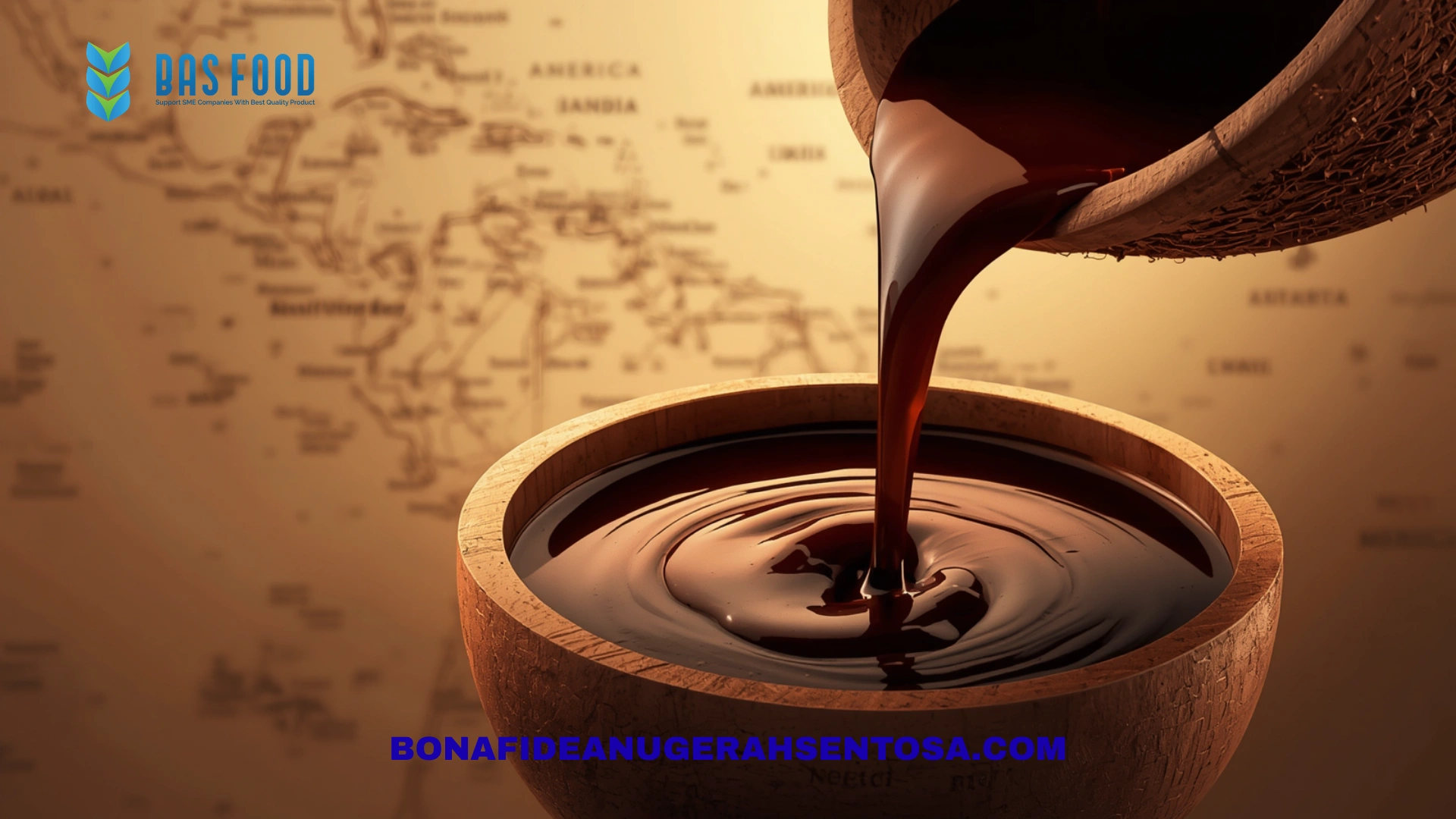
Coconut nectar is a natural liquid sweetener made from the sap collected from coconut flower blossoms.
Before coconut flowers mature into coconuts, they naturally produce a sweet sap. Skilled farmers harvest this sap using traditional tapping techniques that have been practiced for generations across tropical coconut-growing regions.
After collection, the sap is carefully filtered and gently heated to remove excess moisture. This controlled process creates a rich syrup known as coconut nectar.
The finished product usually has a golden to dark amber color, smooth consistency, and a pleasant caramel-like flavor. Since coconut nectar undergoes relatively simple processing compared to highly refined sweeteners, many manufacturers consider it an attractive ingredient for clean-label food products.
Today, coconut nectar is widely used in beverages, bakery products, sauces, desserts, snack foods, and premium specialty products.
Why Coconut Nectar USA Continues to Expand
The market for coconut nectar USA has grown steadily over the past several years.
Several consumer and industry trends continue driving this expansion.
Growing Demand for Natural Ingredients
American consumers increasingly prefer foods made with recognizable ingredients.
Natural sweeteners have become an attractive option for brands seeking to meet these expectations.
Clean Label Product Development
Consumers want ingredient lists that are simple and easy to understand.
Manufacturers use coconut nectar to support clean-label product positioning.
Premium Food Innovation
Food companies continue developing premium products with distinctive ingredients.
Coconut nectar adds both flavor and marketing value.
Plant-Based Lifestyle Growth
The continued popularity of plant-based eating has increased demand for naturally sourced food ingredients.
Coconut nectar fits well within this growing category.
These trends continue creating opportunities for suppliers serving the U.S. food industry.
Understanding FDA Requirements for Coconut Nectar Imports
Exporters entering the U.S. market must understand applicable FDA requirements.
Meeting food safety and import regulations is essential for successful business relationships with American buyers.
Food Facility Registration
Facilities that manufacture, process, pack, or store food for export to the United States generally need to comply with applicable FDA registration requirements.
Proper registration helps facilitate international trade.
Food Safety Systems
American buyers frequently prefer suppliers operating under internationally recognized food safety systems such as HACCP, ISO 22000, or FSSC 22000.
These systems demonstrate a commitment to quality and food safety.
Product Documentation
Importers typically request documentation such as:
- Product specifications
- Certificate of Analysis (COA)
- Microbiological test reports
- Ingredient declarations
- Packaging specifications
Providing complete documentation helps simplify customs clearance and builds buyer confidence.
Labeling Compliance
Food labeling should comply with applicable U.S. regulations before products enter the retail market.
Accurate labeling supports regulatory compliance and consumer trust.
By understanding FDA requirements, exporters can improve their competitiveness in the U.S. marketplace.
Applications of Coconut Nectar Across American Food Industries
One of coconut nectar’s greatest advantages is its versatility.
Manufacturers use it in numerous food and beverage categories.
Beverage Manufacturing
The beverage sector offers significant opportunities.
Common applications include:
- Coffee drinks
- Ready-to-drink tea
- Smoothies
- Functional beverages
- Plant-based drinks
Its liquid form simplifies blending and formulation.
Bakery Products
Bakeries increasingly use coconut nectar in:
- Cakes
- Cookies
- Artisan bread
- Muffins
- Dessert fillings
Its caramel flavor enhances product appeal while supporting premium positioning.
Snack Foods
Manufacturers incorporate coconut nectar into:
- Protein bars
- Granola bars
- Energy snacks
- Healthy snack products
Consumers often appreciate products made with naturally sourced ingredients.
Sauces and Condiments
Coconut nectar also performs well in:
- Marinades
- Barbecue sauces
- Glazes
- Specialty condiments
Its versatility supports product innovation across multiple food sectors.
Why American Buyers Choose Indonesian Coconut Nectar
Indonesia remains one of the world’s largest producers of coconut-based ingredients.
Its tropical climate provides ideal conditions for year-round coconut cultivation.
Millions of coconut trees support an extensive agricultural network that supplies high-quality raw materials for coconut nectar production.
Indonesia also benefits from generations of expertise in coconut farming and sap harvesting.
Many producers combine traditional harvesting techniques with modern manufacturing practices that meet international quality expectations.
These strengths make Indonesia a preferred sourcing destination for American food companies.
Sustainability Strengthens Market Appeal
Sustainability has become an important purchasing factor throughout the United States.
Consumers increasingly prefer products made with responsibly sourced ingredients.
Fortunately, coconut nectar production naturally supports sustainable agricultural practices.
Farmers collect sap without damaging coconut trees.
The trees continue producing flowers, coconuts, and sap for many years, making coconut nectar a renewable agricultural ingredient.
In addition, coconut nectar production supports rural farming communities and contributes to local economic development.
These environmental and social benefits increase its appeal among food manufacturers and consumers alike.
How to Choose the Right Coconut Nectar Supplier
Selecting the right supplier is essential for long-term business success.
American buyers often evaluate suppliers using several important criteria.
Consistent Product Quality
Reliable suppliers maintain strict quality control systems.
Consistency helps manufacturers achieve predictable product performance.
Food Safety Certifications
International certifications demonstrate commitment to quality management.
Export Experience
Experienced exporters understand documentation, shipping, and international logistics.
Reliable Supply Capacity
Manufacturers need suppliers capable of supporting growing demand.
Transparent Communication
Strong customer service helps build long-term business relationships.
Suppliers that perform well in these areas often become trusted strategic partners.
Future Opportunities for Coconut Nectar USA
The future of coconut nectar USA remains highly promising.
Several long-term trends continue supporting market expansion.
Consumers increasingly seek natural ingredients.
Premium food categories continue growing across retail and food service industries.
Clean-label product development remains a major priority for manufacturers.
Meanwhile, compliance with FDA requirements continues encouraging higher quality standards throughout international supply chains.
As these trends continue evolving, coconut nectar is expected to play an increasingly important role in American food innovation.
Businesses that establish reliable sourcing partnerships today will be well positioned for future growth.
Partner with CV Bonafide Anugerah Sentosa for Premium Coconut Nectar
CV Bonafide Anugerah Sentosa is a trusted Indonesian exporter of premium coconut nectar for global markets, including the United States.
The company works closely with experienced farmers and modern processing facilities to ensure consistent quality, reliable supply, and export-ready products.
In addition to coconut nectar, CV Bonafide Anugerah Sentosa supplies coconut sugar, organic coconut sugar, virgin coconut oil, coconut milk products, spices, coffee products, and fishery products.
With extensive export experience and a commitment to quality, the company helps U.S. importers source premium Indonesian ingredients that support product innovation and long-term business growth.
Conclusion
The U.S. market continues embracing natural ingredients, clean-label formulations, and premium food products.
As demand grows, coconut nectar USA represents an exciting opportunity for manufacturers, distributors, and importers seeking innovative natural sweeteners.
Exporters that understand FDA requirements, maintain strong food safety systems, and provide consistent product quality are well positioned to build successful partnerships with American buyers.
For businesses looking to expand their product portfolio with premium coconut-based ingredients, Indonesian coconut nectar offers a reliable and competitive sourcing solution for today’s evolving food industry.