
Africa’s food and beverage industry is experiencing remarkable growth. Urbanization, population growth, changing consumer preferences, and increasing demand for premium food products are creating new opportunities for ingredient suppliers around the world. Among the ingredients gaining attention is coconut nectar. This natural sweetener, derived from coconut flower blossom sap, is becoming increasingly attractive to manufacturers looking for innovative alternatives to conventional sweeteners. As a result, more businesses are searching for a dependable coconut nectar supplier Africa to support their sourcing requirements.
Consumers across many African countries are becoming more aware of ingredient quality and product transparency. Food brands are responding by incorporating natural ingredients into their formulations. This trend has created opportunities for coconut-based sweeteners that offer both functionality and market appeal.
At the same time, demand for wholesale sweeteners Africa continues to expand. Food manufacturers, beverage companies, bakeries, distributors, and private-label brands are seeking ingredients that help them create distinctive products while meeting consumer expectations.
This guide explores the growing African market for coconut nectar, its applications, sourcing considerations, and why Indonesia has become one of the leading suppliers of coconut-based sweeteners worldwide.
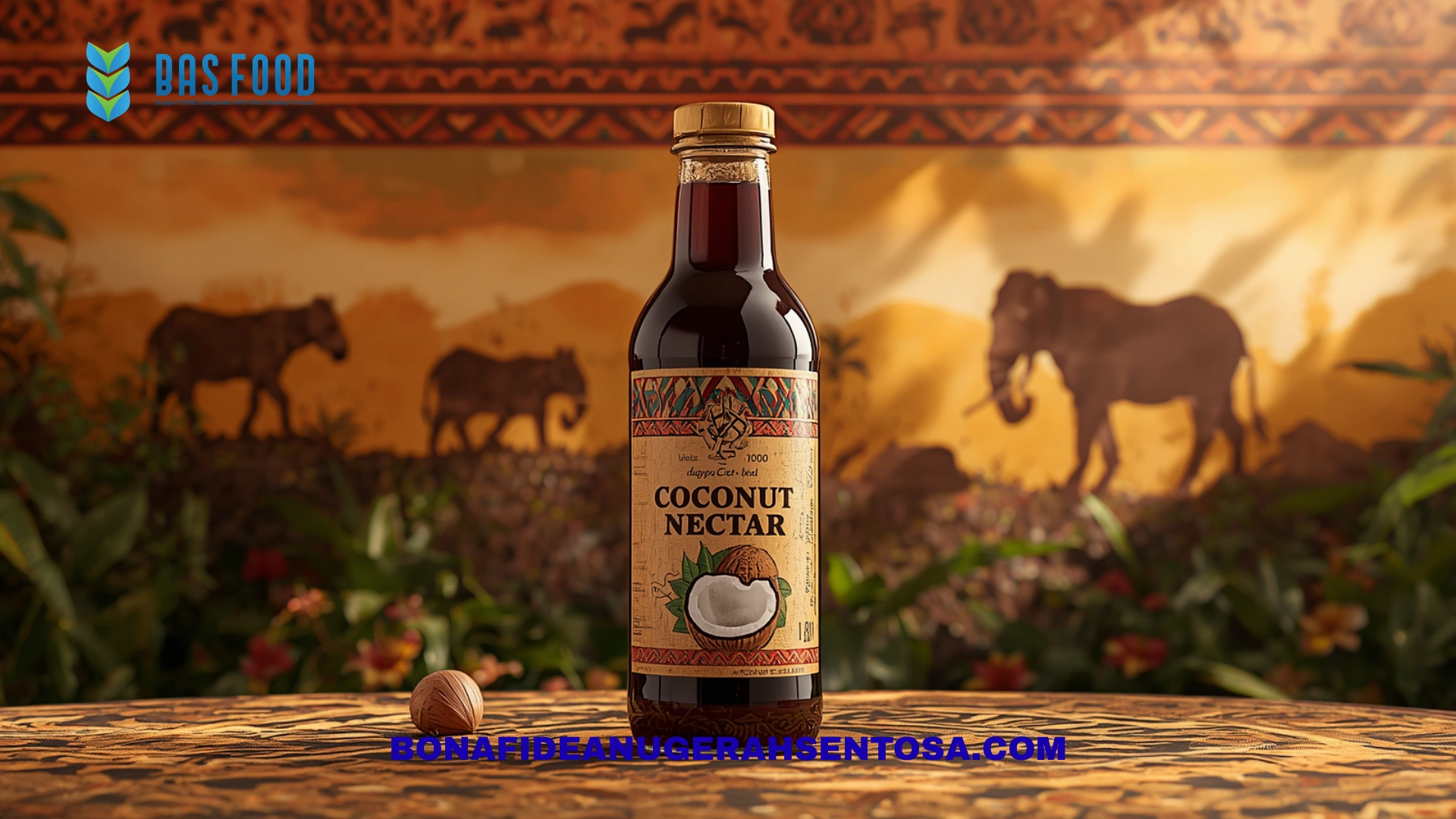
What Is Coconut Nectar?
Coconut nectar is a natural liquid sweetener produced from the sap of coconut flower blossoms.
Before coconut flowers develop into mature coconuts, they release a naturally sweet sap. Farmers carefully collect this sap using traditional tapping techniques that have been practiced for generations in coconut-producing regions.
After collection, the sap is filtered and gently heated to reduce moisture. This process transforms the liquid into a rich syrup known as coconut nectar.
The final product features a golden to dark amber color, smooth consistency, and pleasant caramel-like flavor. Unlike highly refined sweeteners, coconut nectar undergoes relatively simple processing, making it appealing to manufacturers seeking natural ingredient options.
Today, coconut nectar is used in a wide range of food and beverage products throughout global markets.
Why Africa’s Food Industry Is Looking for New Sweetener Solutions
Africa’s food manufacturing sector continues expanding rapidly.
Population growth and increasing consumer spending power are driving demand for packaged foods, beverages, snacks, and premium food products. As competition intensifies, manufacturers are searching for ingredients that help differentiate their products.
Several market trends are supporting the adoption of coconut nectar.
Demand for Natural Ingredients
Consumers increasingly prefer ingredients that come from recognizable agricultural sources.
Natural sweeteners often appeal to shoppers seeking cleaner product labels.
Premium Product Development
Food brands are introducing higher-value products to attract modern consumers.
Specialty sweeteners can help support premium positioning strategies.
Innovation in Food Manufacturing
Manufacturers continuously seek ingredients that improve product quality and consumer appeal.
Coconut nectar offers a unique flavor profile that supports product innovation.
These trends are contributing to growing interest in coconut nectar across multiple African markets.
Understanding the Wholesale Sweeteners Africa Market
The market for wholesale sweeteners Africa is becoming increasingly diverse.
Manufacturers are no longer relying solely on traditional sweetening ingredients. Instead, they are exploring alternatives that align with evolving consumer preferences.
Expanding Beverage Industry
Africa’s beverage sector continues growing across both traditional and modern retail channels.
Natural sweeteners are increasingly being incorporated into beverage formulations.
Growth of Bakery Products
Bakery products remain one of the largest food categories in many African countries.
Manufacturers seek ingredients that provide flavor, functionality, and market differentiation.
Rising Demand for Imported Ingredients
As food industries become more sophisticated, demand for premium imported ingredients continues increasing.
This trend creates opportunities for international coconut nectar suppliers.
Private Label Expansion
Retailers are investing heavily in private-label products.
Natural sweeteners can help strengthen premium product positioning within these programs.
These developments create favorable conditions for coconut nectar market growth.
Applications of Coconut Nectar in African Food Manufacturing
One reason coconut nectar continues gaining popularity is its versatility.
Manufacturers can incorporate it into a wide range of product categories.
Beverage Production
The beverage industry represents one of the largest opportunities.
Manufacturers use coconut nectar in:
- Coffee beverages
- Tea products
- Functional drinks
- Smoothies
- Plant-based beverages
Its liquid consistency makes formulation straightforward and efficient.
Bakery Applications
Coconut nectar performs exceptionally well in:
- Cakes
- Cookies
- Muffins
- Bread products
- Dessert products
Its natural sweetness and subtle caramel notes enhance flavor profiles.
Snack Foods
Manufacturers increasingly use coconut nectar in:
- Energy bars
- Granola bars
- Protein snacks
- Health-focused products
These categories continue growing across many African markets.
Sauces and Condiments
Its syrup consistency makes coconut nectar suitable for specialty sauces, marinades, glazes, and condiments.
This versatility supports broader adoption across food manufacturing sectors.
Why Choosing the Right Coconut Nectar Supplier Africa Matters
Finding the right coconut nectar supplier Africa is critical for maintaining product quality and supply chain stability.
Not all suppliers provide the same level of reliability, consistency, and service.
Several factors should guide supplier evaluation.
Consistent Product Quality
Manufacturers require ingredients that perform consistently in production environments.
Reliable suppliers implement strict quality control systems.
Stable Supply Capacity
Production interruptions can be costly.
Suppliers should demonstrate the ability to support long-term demand growth.
Export Expertise
International trade requires expertise in logistics, shipping documentation, and customs procedures.
Experienced exporters help simplify the import process.
Product Traceability
Modern buyers increasingly value transparency throughout the supply chain.
Traceability programs support confidence in sourcing practices.
Strong Customer Support
Responsive communication helps create successful long-term business partnerships.
The best suppliers become strategic sourcing partners.
Why Indonesia Is a Leading Source of Coconut Nectar
Indonesia is one of the world’s largest coconut-producing countries.
Its tropical climate supports year-round coconut cultivation, creating a stable supply of raw materials for coconut nectar production.
Millions of coconut trees contribute to a vast agricultural ecosystem that supports farmers, processors, and exporters.
This extensive resource base enables reliable production and long-term supply stability.
Indonesia also benefits from generations of expertise in coconut farming and sap harvesting.
Many producers combine traditional knowledge with modern manufacturing systems to meet international food safety and quality standards.
These advantages have made Indonesia one of the most important sourcing destinations for coconut-based sweeteners.
Sustainability Is Becoming More Important for Buyers
Sustainability is no longer a niche consideration.
Today, consumers, manufacturers, and retailers increasingly evaluate products based on environmental and social responsibility.
Fortunately, coconut nectar production aligns well with sustainable agricultural practices.
Farmers harvest sap from coconut flower blossoms without harming the trees.
The trees continue producing flowers, coconuts, and sap for many years, supporting long-term agricultural productivity.
Additionally, coconut nectar production supports rural farming communities and creates economic opportunities in coconut-growing regions.
These sustainability benefits enhance the appeal of coconut nectar among international buyers.
Quality Standards International Buyers Should Expect
Quality assurance remains essential when sourcing food ingredients.
Reputable coconut nectar suppliers maintain rigorous quality management systems throughout production.
Important considerations include:
Raw Material Selection
High-quality sap is essential for producing premium coconut nectar.
Controlled Manufacturing
Proper processing helps ensure product consistency.
Laboratory Testing
Routine testing verifies quality specifications and product performance.
Export Documentation
Accurate documentation supports smooth international trade and customs clearance.
Suppliers that prioritize quality management are better positioned to support long-term customer success.
Future Opportunities for Coconut Nectar in Africa
The outlook for coconut nectar in Africa remains highly positive.
Several factors are expected to support continued market expansion.
Consumer demand for natural ingredients continues growing.
Food manufacturers are investing in product innovation and premium positioning.
The market for wholesale sweeteners Africa is expanding as companies seek alternatives to traditional sweeteners.
Additionally, rising urbanization and increasing disposable incomes are creating opportunities for higher-value food products.
Together, these trends create a strong foundation for future growth.
Businesses that establish reliable sourcing partnerships today may gain significant competitive advantages as demand continues to increase.
Partner with CV Bonafide Anugerah Sentosa for Premium Coconut Nectar
For companies seeking a trusted coconut nectar supplier Africa, CV Bonafide Anugerah Sentosa provides premium coconut nectar sourced from Indonesia’s leading coconut-growing regions.
The company works closely with experienced farmers and processing facilities to ensure product consistency, reliable supply, and export-ready quality.
In addition to coconut nectar, CV Bonafide Anugerah Sentosa supplies coconut sugar, organic coconut sugar, virgin coconut oil, coconut milk products, spices, coffee products, and fishery products.
With extensive export experience and strong sourcing networks, the company helps international buyers access premium Indonesian ingredients that support product innovation and long-term business growth.
Conclusion
Africa’s food and beverage industry is evolving rapidly, creating exciting opportunities for innovative ingredients such as coconut nectar.
Its natural origin, pleasant flavor, versatile functionality, and compatibility with modern consumer preferences make it an increasingly attractive sweetening solution.
For businesses seeking a dependable coconut nectar supplier Africa, partnering with an experienced Indonesian exporter offers access to high-quality products, stable supply chains, and international sourcing expertise.
As demand for wholesale sweeteners Africa continues growing, coconut nectar is well-positioned to become an important ingredient across a wide range of food and beverage applications.
Companies that invest in reliable sourcing partnerships today will be better prepared to capitalize on future market opportunities.