
The global demand for desiccated coconut continues to rise as food manufacturers, retailers, bakeries, and health food brands increasingly rely on coconut-based ingredients. However, product quality alone is not enough to succeed in international trade. Packaging and logistics now play a critical role in maintaining freshness, protecting food safety, reducing costs, and ensuring smooth delivery across global markets. For importers and distributors, choosing the right supplier means evaluating more than production capacity—including understanding details around desiccated coconut supplier packaging. Buyers also need to understand how the supplier handles transportation, packaging durability, export documentation, and shipping efficiency. A strong logistics system can reduce risk, improve shelf life, and support long-term business growth.
This article explores the most important aspects of desiccated coconut supplier packaging and international shipping strategies. It also explains how coconut bulk packaging and efficient export coconut logistics systems help suppliers compete in global trade.
Why Packaging and Logistics Matter in Coconut Export Business
Packaging and logistics are often underestimated in the food export industry. However, they directly affect product quality, customer satisfaction, and operational efficiency.
Desiccated coconut is a dry product, but it is still sensitive to moisture, contamination, temperature changes, and poor handling. Without proper packaging, the product can lose quality during transportation.
At the same time, international logistics involve long shipping routes, customs inspections, and storage transitions. Every stage creates potential risks if products are not packaged correctly.
This is why professional desiccated coconut supplier packaging systems are essential for successful exports.
In addition, buyers today expect suppliers to provide reliable shipping schedules and transparent logistics support. Delays or damaged shipments can disrupt food manufacturing operations and create financial losses.
Strong packaging and logistics systems help suppliers maintain product integrity while improving global competitiveness.
Understanding the Characteristics of Desiccated Coconut
To understand packaging requirements, it is important to understand the product itself.
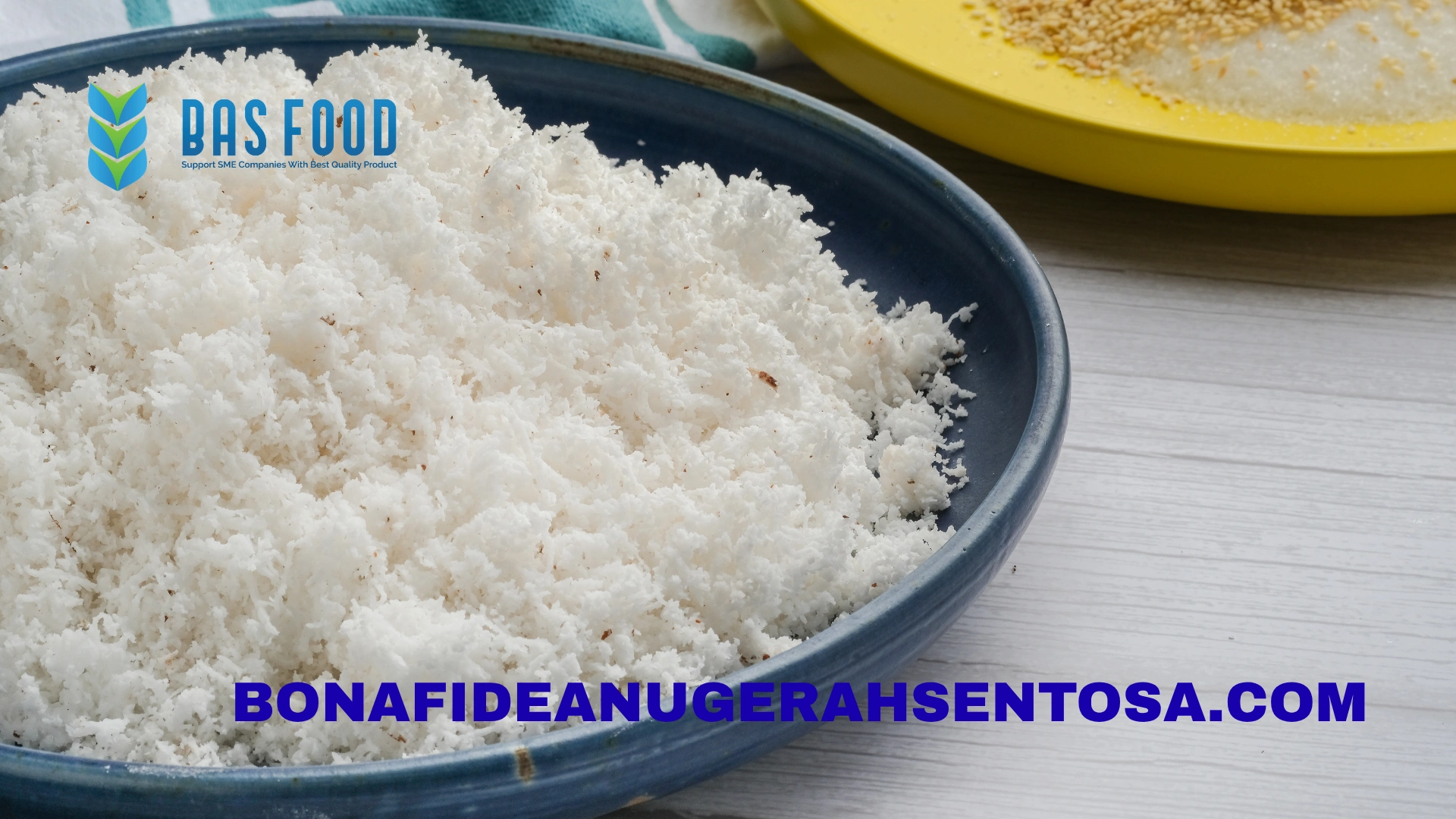
Desiccated coconut is made from fresh coconut meat that has been grated, dried, and processed into different particle sizes. The drying process reduces moisture and extends shelf life.
However, despite its low moisture content, desiccated coconut can still absorb humidity from the environment. If exposed to moisture during transportation, the product may clump, spoil, or experience microbiological contamination.
This is one of the main reasons why coconut bulk packaging requires strong moisture protection.
In addition, desiccated coconut contains natural oil. Improper storage conditions may affect aroma, texture, and freshness over time.
Because of these factors, export packaging must provide both physical protection and environmental stability throughout the supply chain.
Common Packaging Types for Desiccated Coconut Export
Exporters use different packaging formats depending on buyer requirements and shipment volume.
Multi-Layer Kraft Paper Bags
Kraft paper bags with polyethylene liners are among the most common solutions for industrial shipments.
These bags provide:
- Moisture resistance
- Strong durability
- Efficient stacking capability
- Cost-effective transportation
Many suppliers use 25 kg packaging for bulk exports because it balances handling efficiency and shipping optimization.
Vacuum Packaging
Vacuum-sealed packaging helps reduce oxygen exposure and extend shelf life.
This option is especially useful for premium or retail-oriented products.
Polypropylene and Woven Bags
Some suppliers also use woven polypropylene bags for larger shipments.
These bags offer strong physical protection during long-distance transportation.
Choosing the right desiccated coconut supplier packaging solution depends on the destination market, storage conditions, and customer preferences.
Coconut Bulk Packaging for Industrial Buyers
Industrial buyers often require large shipment volumes. Therefore, efficient coconut bulk packaging systems are critical.
Maximizing Container Space
Bulk packaging should optimize container loading efficiency. Proper packaging dimensions help suppliers maximize shipment volume while minimizing transportation costs.
Efficient pallet arrangement also reduces movement during shipping and protects product integrity.
Reducing Handling Costs
Bulk packaging reduces labor and handling expenses because products are moved in larger quantities.
For food manufacturers, this improves operational efficiency during warehouse storage and production use.
Maintaining Product Safety
Large shipments still require strong hygiene standards.
Industrial packaging must protect against:
- Moisture
- Dust contamination
- Physical damage
- Pest exposure
Professional suppliers carefully manage these risks through high-quality desiccated coconut supplier packaging systems.
Retail Packaging and Branding Opportunities
Not all desiccated coconut exports are shipped in industrial formats. Retail packaging has become increasingly important in supermarkets and e-commerce markets.
Consumer-Friendly Packaging
Retail buyers often prefer:
- Stand-up pouches
- Zipper bags
- Small sachets
- Attractive printed packaging
Convenient packaging improves customer experience and strengthens product visibility.
Private Label Opportunities
Many businesses now work with suppliers for private label coconut products.
An experienced supplier can provide customized retail packaging and branding support to help companies build strong market identity.
This creates additional value beyond simple product supply.
As retail demand grows globally, packaging design continues to influence purchasing decisions significantly.
Export Coconut Logistics: From Factory to Destination
Logistics management is one of the most complex parts of international trade.
Container Shipping
Most desiccated coconut exports use sea freight containers.
Exporters typically use:
- 20-foot containers
- 40-foot containers
The choice depends on shipment volume and destination market.
Climate and Humidity Control
Although desiccated coconut is shelf-stable, humidity during transportation remains a concern.
Suppliers often use:
- Desiccants
- Moisture absorbers
- Proper ventilation systems
These measures help maintain product quality during long transit periods.
Shipping Documentation
Efficient export coconut logistics also require complete export documentation, including:
- Commercial invoices
- Packing lists
- Certificates of Origin
- Phytosanitary certificates
- Bills of lading
Proper documentation reduces customs delays and improves shipment reliability.
Challenges in International Coconut Logistics
Global logistics involve many potential challenges.
Port Congestion and Delays
Shipping disruptions can affect delivery schedules and increase transportation costs.
Suppliers with strong logistics experience can better manage alternative shipping routes and scheduling adjustments.
Temperature and Storage Risks
Improper storage conditions at ports or warehouses may affect product quality.
This is why suppliers must coordinate carefully with logistics partners throughout the shipping process.
Customs and Import Regulations
Different countries have different import requirements.
An experienced supplier understands these regulations and prepares documentation accurately.
Strong export coconut logistics systems reduce risks and improve customer satisfaction.
Sustainability Trends in Packaging
Sustainability is becoming increasingly important in global food markets.
Eco-Friendly Packaging Demand
Many buyers now prefer recyclable or biodegradable packaging materials.
Eco-friendly packaging supports sustainability goals and improves brand image.
Reducing Plastic Usage
Some exporters are reducing plastic usage by using paper-based or compostable packaging alternatives.
This trend is especially strong in Europe and environmentally conscious markets.
Efficient Shipping and Carbon Reduction
Optimized container loading also supports sustainability by reducing transportation emissions per shipment unit.
As sustainability expectations grow, suppliers who invest in responsible packaging solutions gain competitive advantages.
Why Indonesia is a Strategic Export Hub
Indonesia remains one of the world’s largest coconut-producing countries.
Its strong agricultural base supports stable raw material supply for large export operations.
Strategic Export Infrastructure
Indonesia has extensive port access and growing export infrastructure, allowing suppliers to ship products efficiently to global markets.
Experienced Exporters
Indonesian coconut exporters have years of experience serving buyers across Europe, the United States, Asia, Africa, and the Middle East.
This experience improves both desiccated coconut supplier packaging quality and international shipping reliability.
Competitive Production Costs
Indonesia also offers competitive production and labor costs, helping suppliers maintain attractive export pricing.
Choosing the Right Supplier for Packaging and Logistics
Selecting the right supplier involves more than product quality alone.
Evaluate Packaging Capabilities
Buyers should review:
- Packaging materials
- Moisture protection systems
- Pallet arrangements
- Container loading methods
- Assess Logistics Experience
Reliable suppliers should understand international shipping regulations and documentation procedures.
Communication and Tracking
Strong communication improves shipment coordination and problem-solving during transit.
The best suppliers provide transparent updates and responsive customer support.
A professional supplier combines strong coconut bulk packaging solutions with efficient logistics systems.
CV Bonafide Anugerah Sentosa: Supporting Reliable Global Coconut Exports
CV Bonafide Anugerah Sentosa is a trusted exporter of coconut-based products from Indonesia.
The company focuses on delivering high-quality products supported by professional packaging and logistics systems.
With experience in international markets, CV Bonafide Anugerah Sentosa understands the importance of reliable export coconut logistics and secure packaging solutions.
The company offers:
- Strong bulk packaging systems
- Export-ready documentation
- Efficient container management
- Quality-focused shipping procedures
- Flexible packaging customization
By combining operational efficiency with global export expertise, CV Bonafide Anugerah Sentosa supports buyers seeking dependable desiccated coconut supplier packaging solutions.
Final Thoughts: Packaging and Logistics Shape Export Success
In global food trade, packaging and logistics are no longer secondary considerations. They are strategic factors that directly influence product quality, operational efficiency, and customer satisfaction.
Professional desiccated coconut supplier packaging systems help protect products from moisture, contamination, and shipping damage.
At the same time, efficient export coconut logistics improve delivery reliability and reduce supply chain risks.
As international demand for coconut products continues to grow, suppliers who invest in advanced packaging and logistics solutions will remain more competitive in global markets.
For buyers, choosing a supplier with strong operational capabilities creates long-term value and supply chain stability.