
Entering the United States market is a major opportunity for coconut oil exporters. The demand for refined oils continues to grow across food manufacturing, cosmetics, and industrial sectors. However, the U.S. also has strict regulatory requirements. Exporters must understand and follow these rules to avoid delays, rejections, or costly penalties. This guide explains how to successfully supply RBD coconut oil USA markets while meeting all key requirements under FDA coconut oil regulation. It is written to help B2B exporters build a strong, compliant, and scalable export strategy.
Why the U.S. Market Matters for RBD Coconut Oil Suppliers
The United States is one of the largest importers of coconut oil in the world. Its market is diverse, with demand coming from multiple industries. Food processors use coconut oil in baked goods, snacks, and dairy alternatives. Meanwhile, personal care brands rely on it for lotions, creams, and hair products.
RBD coconut oil plays a key role in this ecosystem. Its neutral taste, stable composition, and long shelf life make it suitable for industrial applications. Compared to virgin coconut oil, it offers better consistency, which is important for large-scale production.
In addition, consumer trends in the U.S. are evolving. While natural and organic products are popular, there is still strong demand for refined oils in manufacturing. This creates a balanced opportunity for exporters targeting the RBD coconut oil USA segment.
However, entering this market requires more than just supply. Exporters must align with FDA coconut oil regulation to ensure product safety, labeling accuracy, and traceability.
What is RBD Coconut Oil? Understanding the Product
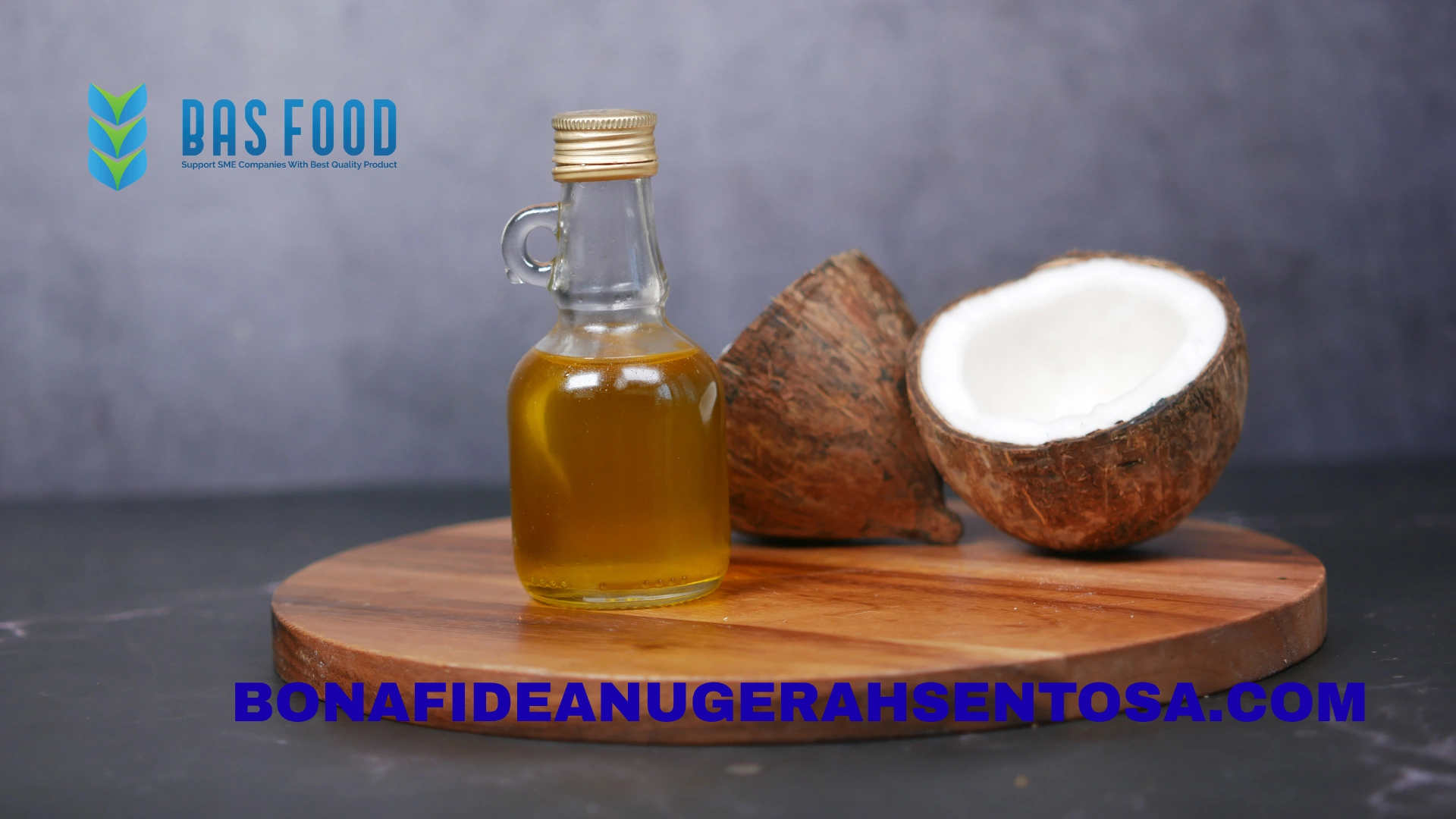
RBD coconut oil stands for refined, bleached, and deodorized coconut oil. It is produced from dried coconut meat, commonly known as copra. The oil goes through a multi-step process to remove impurities and achieve a consistent final product.
The refining stage removes free fatty acids and unwanted compounds. Bleaching improves color by eliminating pigments. Deodorization removes odor and taste using high-temperature steam. As a result, the oil becomes neutral in flavor and appearance.
This consistency is critical for industrial buyers in the RBD coconut oil USA market. Manufacturers rely on uniform quality to maintain product standards. Any variation can affect taste, texture, or shelf life.
At the same time, exporters must ensure that processing methods meet hygiene and safety standards. Poor refining practices can lead to contamination, which violates FDA coconut oil regulation and risks shipment rejection.
FDA Overview: The Authority Behind U.S. Imports
The U.S. Food and Drug Administration (FDA) is responsible for regulating food products, including coconut oil. Any exporter supplying the U.S. market must comply with FDA rules.
The FDA focuses on three main areas: food safety, labeling, and facility compliance. These rules apply to both domestic and foreign suppliers. Therefore, exporters must treat FDA requirements as a core part of their operations.
Under FDA coconut oil regulation, all food products must be safe for consumption. This means they must be free from harmful contaminants, properly processed, and accurately labeled.
In addition, the FDA uses a risk-based approach. This means high-risk products or suppliers may face more inspections. Exporters who maintain strong compliance records can benefit from smoother import processes into the RBD coconut oil USA market.
Facility Registration: Your First Step to Enter the U.S.
Before exporting, every food facility must register with the FDA. This applies to manufacturers, processors, packers, and storage facilities.
The registration process is mandatory and must be renewed every two years. Without it, your shipment cannot legally enter the United States. This is one of the most basic requirements under FDA coconut oil regulation.
In addition, exporters must appoint a U.S. Agent. This person or company acts as a contact between the FDA and the foreign facility. They receive communications, including inspection notices and compliance updates.
Proper registration shows that your business is serious about compliance. It also builds trust with buyers in the RBD coconut oil USA market.
FSMA Compliance: The Core of FDA Coconut Oil Regulation
The Food Safety Modernization Act (FSMA) is the foundation of modern FDA food safety rules. It shifts the focus from reacting to contamination to preventing it.
Preventive Controls
Under FSMA, exporters must implement preventive controls. This includes identifying potential hazards and putting systems in place to manage them. For example, you must control risks related to contamination during processing.
Hazard Analysis
Hazard analysis is a key requirement. You must evaluate biological, chemical, and physical risks. Then, you must document how you control these risks.
Supply Chain Controls
FSMA also requires supply chain transparency. You must know where your raw materials come from and ensure they meet safety standards. This is essential for compliance with FDA coconut oil regulation.
By following FSMA, exporters can strengthen their position in the RBD coconut oil USA market and reduce the risk of regulatory issues.
Product Safety Standards for RBD Coconut Oil USA
Product safety is a top priority for the FDA. Coconut oil must meet strict standards before it can be sold in the U.S.
Contaminant Limits
The oil must be free from harmful substances such as heavy metals, pesticide residues, and toxins. Testing is essential to prove compliance.
Microbiological Safety
Although coconut oil is low in moisture, it must still meet microbiological standards. Contamination during processing can lead to rejection.
Chemical Parameters
Buyers often require Certificates of Analysis (COA). These documents confirm key parameters such as:
- Free fatty acid (FFA) levels
- content
- Peroxide value
- Fatty acid composition
Meeting these specifications ensures your product aligns with FDA coconut oil regulation and buyer expectations in the RBD coconut oil USA market.
Labeling Requirements: Getting It Right for the U.S. Market
Labeling is one of the most common causes of import issues. The FDA requires clear and accurate labels for all food products.
Basic Label Information
Labels must include:
- Product name
- Net quantity
- Ingredient list
- Manufacturer or distributor details
- Country of origin
- Nutrition Facts Panel
For most food products, a Nutrition Facts label is required. It must follow a specific format defined by the FDA.
Allergen and Claims
If your product includes allergens or claims such as “organic” or “non-GMO,” they must be supported by proper certification.
Accurate labeling is essential for compliance with FDA coconut oil regulation and smooth entry into the RBD coconut oil USA market.
Packaging and Transportation Standards
Packaging plays a critical role in maintaining product quality during shipping.
RBD coconut oil is typically packed in steel drums, food-grade plastic containers, or flexitanks. All packaging materials must be safe for food contact and free from contamination risks.
In addition, proper sealing is important to prevent leakage and exposure to air. Although coconut oil is stable, poor handling can still affect quality.
During transportation, exporters must ensure clean and controlled conditions. Working with experienced logistics partners can help maintain compliance with FDA coconut oil regulation and ensure timely delivery to the RBD coconut oil USA market.
Documentation and Import Procedures
Documentation is a key part of the export process.
Prior Notice
The FDA requires prior notice for all food shipments. This must be submitted before the goods arrive in the U.S.
Essential Documents
Exporters must provide:
- Commercial invoice
- Packing list
- Bill of lading
- Certificate of Analysis
- Certificate of origin
Incomplete or incorrect documents can delay shipments and increase costs.
Customs Clearance
U.S. Customs and Border Protection (CBP) works with the FDA to inspect shipments. If everything is in order, the goods are released into the market.
Proper documentation ensures smooth entry into the RBD coconut oil USA market and compliance with FDA coconut oil regulation.
Common Challenges and How to Overcome Them
Exporting to the U.S. comes with challenges. However, these can be managed with the right strategy.
One common issue is regulatory complexity. FDA rules can be detailed and strict. Exporters must stay updated and maintain proper documentation.
Another challenge is quality consistency. Buyers expect the same quality in every shipment. Investing in quality control systems can help solve this issue.
Communication is also important. Working closely with buyers and logistics partners can reduce misunderstandings and delays.
By addressing these challenges, exporters can build a strong presence in the RBD coconut oil USA market.
Why Choose CV Bonafide Anugerah Sentosa as Your Supplier
Choosing the right supplier is critical for long-term success.
CV Bonafide Anugerah Sentosa is an experienced exporter of coconut-based products from Indonesia. The company focuses on quality, compliance, and customer satisfaction.
The company understands the requirements of FDA coconut oil regulation and ensures that all products meet international standards. With strict quality control and reliable supply chains, CV Bonafide Anugerah Sentosa supports smooth entry into the RBD coconut oil USA market.
By partnering with a trusted supplier, buyers can reduce risks and ensure consistent product quality.
Final Thoughts: Building a Compliant and Scalable Export Strategy
Supplying RBD coconut oil to the United States requires careful planning. Exporters must focus on compliance, quality, and transparency.
Following FDA coconut oil regulation is not just about meeting legal requirements. It also helps build trust with buyers and create long-term business relationships.
The RBD coconut oil USA market offers strong growth potential. With the right strategy, exporters can successfully enter this market and expand their global reach.