
Tuna fillet vs tuna loin is a common comparison for importers evaluating product formats. Buyers must understand how each cut affects yield, pricing, processing, and market positioning. Therefore, selecting the right format depends on your target segment and distribution model.
In international seafood trade, both formats serve distinct purposes. However, differences in trimming, labor input, and packaging influence cost and compliance requirements. This guide explains the key factors to support informed buying decisions.
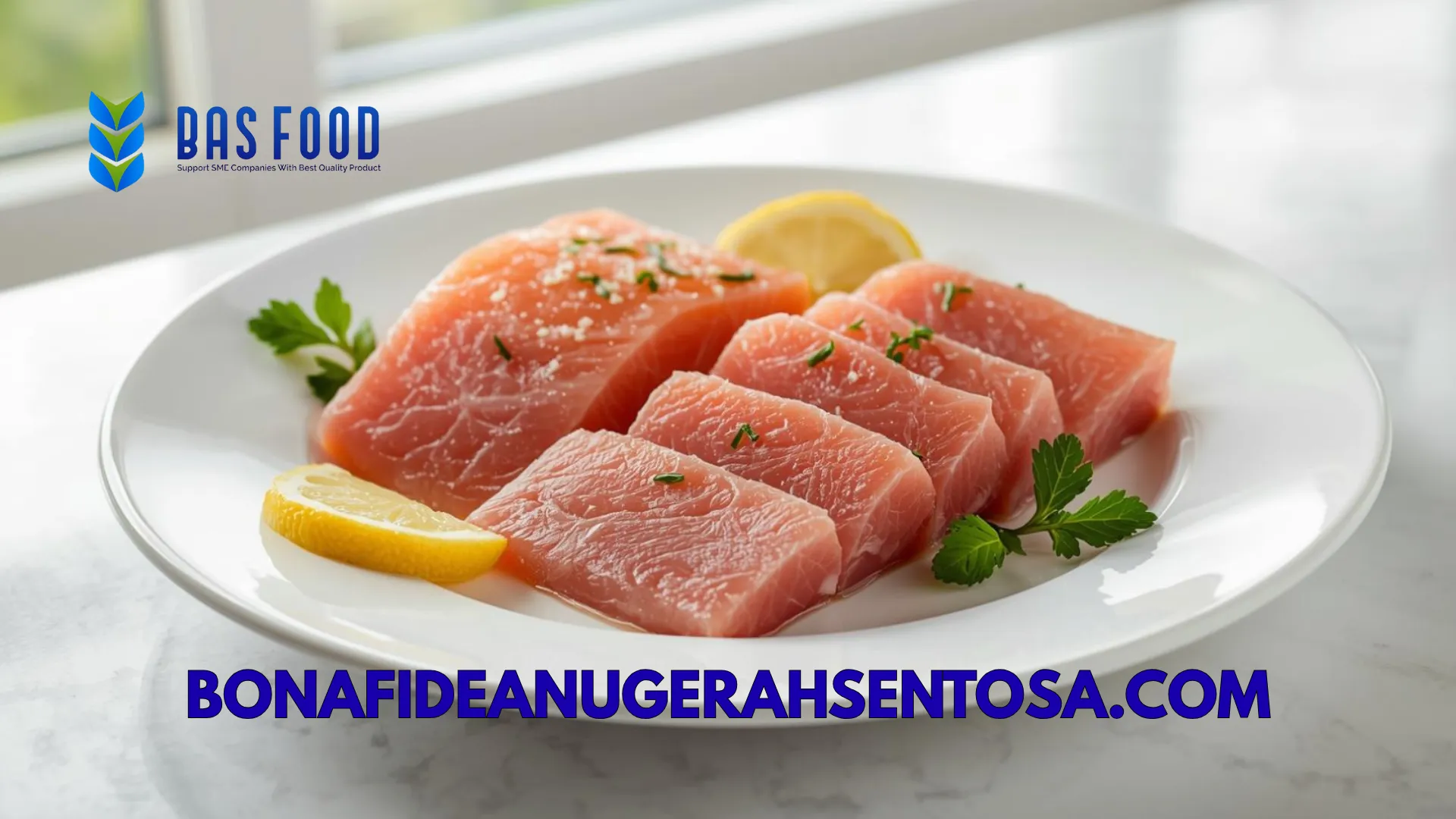
Understanding Tuna Fillet vs Tuna Loin in Processing Terms
When discussing tuna fillet vs tuna loin, the main distinction lies in how the fish is cut. A loin is a large, boneless section taken from the backbone. A fillet is typically further trimmed and portioned from that loin.
Because fillets require more precise trimming, they often involve additional labor. As a result, fillets usually show higher processing costs. However, they offer convenience for many buyers.
Structural Differences and Yield Impact
Loins maintain a thicker and more uniform block shape. This structure allows buyers to cut steaks or portions according to their needs. Therefore, loins provide flexibility at the destination.
Fillets, on the other hand, arrive closer to final serving format. Consequently, they reduce cutting waste and preparation time. Yield efficiency depends on the buyer’s processing capability.
Tuna Species and Market Preference
Yellowfin tuna is widely used for both formats. It offers consistent texture and color across global markets. Therefore, it suits foodservice and retail channels alike.
Bluefin tuna often appears as premium loins for sushi markets. Meanwhile, Skipjack commonly supports value-driven segments. Species selection influences whether fillet or loin format makes more sense.
Regulatory Considerations in Tuna Fillet vs Tuna Loin
Both formats must comply with seafood export regulations. Authorities require health certificates, catch documentation, and proper labeling. However, final presentation can affect inspection focus.
Fillets often require detailed labeling for retail or Horeca distribution. Loins, especially bulk-packed, may follow different packaging rules. Therefore, understanding destination requirements is essential.
Cold Chain and Logistics Differences
Frozen tuna products must remain at -18°C or lower. This rule applies equally to fillets and loins. However, packaging configuration may differ.
Loins often ship in bulk cartons for further processing. Fillets frequently use vacuum packaging for direct distribution. Consequently, storage and pallet planning may vary.
Cost Structure and Pricing Strategy
Loins generally offer lower per-unit processing cost at origin. Buyers with in-house cutting operations often prefer this format. It allows them to manage portion control directly.
Fillets include additional trimming and portioning labor. Therefore, exporters may price them higher. However, they reduce downstream handling cost for importers.
Risk Factors for Each Format
In the tuna fillet vs tuna loin comparison, handling risk differs slightly. Fillets face higher risk of freezer burn if vacuum seals fail. As a result, packaging integrity becomes critical.
Loins may experience trimming inconsistency if processed at destination. Buyers must assess their operational standards carefully. Quality control systems reduce these risks.
Quality Control and Inspection Points
Exporters inspect both fillets and loins for color, odor, and texture before freezing. Supervisors also verify glazing and packaging strength. These checks protect product integrity.
Additionally, metal detection and hygiene controls support international compliance. Markets in the EU and USA expect clear documentation. Reliable inspection builds long-term trust.
Matching Product Format to Market Segment
Retail and private label programs often favor fillets. They align well with ready-to-sell freezer packaging. Therefore, fillets simplify supply chains for supermarkets.
Foodservice distributors may prefer loins for flexible cutting. This option supports customized portion sizes. Ultimately, buyer capability shapes the decision.
Export Experience and Structured Supply
Companies like CV Bonafide Anugerah Sentosa manage both fillet and loin exports alongside spices, cocoa, and coconut products. This cross-commodity experience strengthens compliance systems. Buyers benefit from structured export documentation and cold chain management.
Neutral evaluation helps importers select the right format. Instead of focusing only on price, buyers should consider processing capacity and target market. A balanced approach reduces long-term risk.
Conclusion: Choosing Based on Market Strategy
The tuna fillet vs tuna loin decision depends on operational strategy and market focus. Fillets provide convenience and retail readiness. Loins offer flexibility and potential cost control.
Importers should review species, yield expectations, compliance requirements, and cold chain logistics before finalizing contracts. Clear evaluation supports sustainable seafood sourcing and long-term partnerships.
FAQ Section
What is the main difference between tuna fillet and tuna loin?
A loin is a larger boneless section of the fish, while a fillet is typically trimmed and portioned from the loin.
Which format is more cost-effective for importers?
Loins may offer lower initial cost, but fillets can reduce processing expenses at destination.
Are regulatory requirements different for fillets and loins?
Core requirements are similar, but packaging and labeling rules may vary depending on the final market.
Which format suits retail supermarkets better?
Fillets often suit retail because they align with ready-to-sell packaging formats.
Does species choice affect the format decision?
Yes. Premium species like Bluefin often ship as loins, while Yellowfin commonly appears in both formats.
Contact CV Bonafide Anugerah Sentosa how we can provide the best solutions for you. WhatsApp: +62 8213 4505 737, Email: info@bonafideanugerahsentosa.com / bas.mdir@gmail.com.