
To import Bluefin Tuna from Indonesia, buyers must understand more than pricing and logistics. Bluefin Tuna is a highly regulated, premium seafood product. Therefore, importers need a clear process that covers sourcing, legal compliance, handling, and long-term cooperation.
In this guide, you will learn how to import Bluefin Tuna step by step. More importantly, you will understand what Indonesian exporters do, what documents matter, and how to reduce risk while maintaining quality.
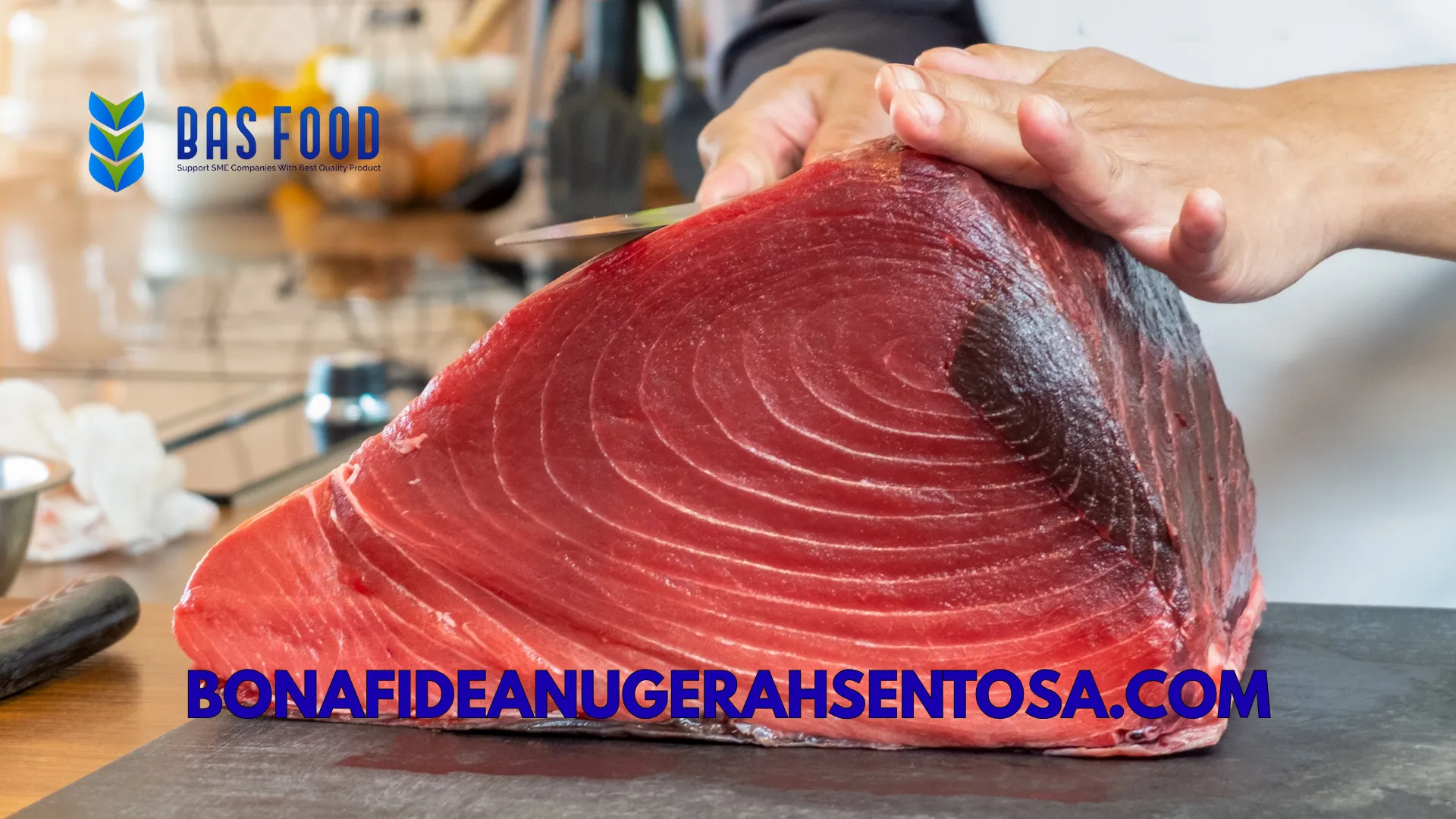
Why Indonesia Is a Key Source for Bluefin Tuna
Indonesia is one of the world’s major fishing nations. Its vast waters support a strong tuna industry with experienced fishermen and modern processing facilities. As a result, many buyers choose Indonesia when they plan to import Bluefin Tuna.
In addition, Indonesian exporters are familiar with global trade rules. They regularly ship seafood to Japan, the United States, and Europe. This experience makes Indonesia a reliable sourcing origin.
Understanding the Bluefin Tuna Supply Chain in Indonesia
The supply chain starts at the fishing stage. Licensed vessels catch Bluefin Tuna under regulated quotas. After landing, exporters handle the fish with strict temperature control.
Next, processors prepare tuna for export. They follow hygiene standards and quality checks before shipment. This structured chain helps buyers receive consistent products.
Import Bluefin Tuna: Legal Framework You Must Know
When you import Bluefin Tuna, legal compliance is critical. Bluefin Tuna trade is regulated by international agreements such as CITES and regional fisheries bodies. These rules control catch volume and trade flow.
Therefore, importers must ensure exporters provide complete and valid documents. Without them, shipments can be delayed or rejected by customs authorities.
Key Export Documents Required from Indonesia
Several documents support a legal import Bluefin Tuna process. These often include catch certificates, health certificates, and export permits. Each document proves legality and product safety.
Moreover, accuracy matters. Errors in names, weights, or vessel details can cause serious delays. Reliable exporters double-check documents before shipment.
Quality Standards Applied Before Export
Quality control begins before shipment. Exporters inspect freshness, color, and fat content. They also monitor temperature during processing and storage.
Because Bluefin Tuna is sensitive, exporters use rapid chilling and frozen storage when needed. These steps protect quality until arrival at the destination port.
Cold Chain Management During Transportation
Cold chain control is essential when you import Bluefin Tuna. Exporters use insulated containers and temperature monitoring systems. This prevents quality loss during transit.
In addition, exporters coordinate closely with logistics partners. This coordination reduces transit time and maintains stable conditions throughout the journey.
How to Choose the Right Export Partner in Indonesia
Not all exporters offer the same reliability. Buyers should review export history, certifications, and compliance records. These factors show whether an exporter understands international standards.
For example, CV Bonafide Anugerah Sentosa operates as a trusted exporter, supplier, and producer of Bluefin Tuna and other fishery products. The company also supplies spices, cocoa products, and coconut-based products, all under strict export compliance systems.
Pricing Structure and Cost Components
When buyers import Bluefin Tuna, pricing includes more than product cost. It also covers processing, packaging, documentation, and logistics. Understanding these elements helps buyers plan budgets.
Moreover, transparent exporters explain cost structures clearly. This transparency reduces misunderstandings and supports long-term cooperation.
Risk Management in Bluefin Tuna Imports
Seafood trade involves risks such as delays, inspections, or weather issues. However, experienced exporters prepare contingency plans. They communicate early when challenges arise.
For importers, risk management means choosing partners with strong systems. Reliable exporters solve problems instead of shifting blame.
Customs Clearance at the Destination Country
Once the shipment arrives, customs clearance begins. Authorities inspect documents and may examine the cargo. Proper paperwork speeds up this process.
Therefore, coordination between importer, exporter, and customs broker is important. Clear communication helps avoid storage costs and delays.
Sustainability and Responsible Sourcing
Sustainability matters when you import Bluefin Tuna. Many buyers now require proof of legal and responsible fishing. Exporters who follow quotas and traceability rules support this goal.
Responsible sourcing also protects future supply. By working with ethical exporters, buyers contribute to long-term industry stability.
Building Long-Term Import Relationships
Short-term deals can work, but long-term partnerships offer better results. Stable cooperation improves pricing, consistency, and planning.
Exporters value buyers who communicate clearly and respect agreements. In return, buyers receive priority service and reliable supply.
Common Mistakes to Avoid When Importing Bluefin Tuna
One common mistake is focusing only on price. Low prices often hide compliance or quality risks. Instead, buyers should balance cost with reliability.
Another mistake is ignoring documentation details. Even small errors can cause shipment delays. Careful review prevents these issues.
Future Trends in Bluefin Tuna Imports
Regulations and buyer expectations continue to evolve. Traceability systems, digital records, and sustainability standards are becoming stricter.
Therefore, importers should work with exporters who invest in systems and training. This readiness ensures smoother trade in the future.
Conclusion: Importing Bluefin Tuna with Confidence
To import Bluefin Tuna successfully, buyers need knowledge, preparation, and the right partners. Indonesia offers strong supply potential supported by experienced exporters.
By choosing compliant exporters, managing documents carefully, and maintaining clear communication, importers can secure high-quality Bluefin Tuna with confidence.
Contact CV Bonafide Anugerah Sentosa how we can provide the best solutions for you. WhatsApp: +62 8213 4505 737, Email: info@bonafideanugerahsentosa.com / bas.mdir@gmail.com.