
Exporting Bluefin Tuna is not just about quality fishing or cold storage. It is about trust, legality, and compliance. Importers today want clear proof that every tuna comes from a legal, safe, and sustainable source. This is where Bluefin Tuna certification becomes essential.
In this guide, we explore Bluefin Tuna certification requirements in a clear and practical way. We explain why certifications matter, what importers expect, and how exporters can meet international standards with confidence.
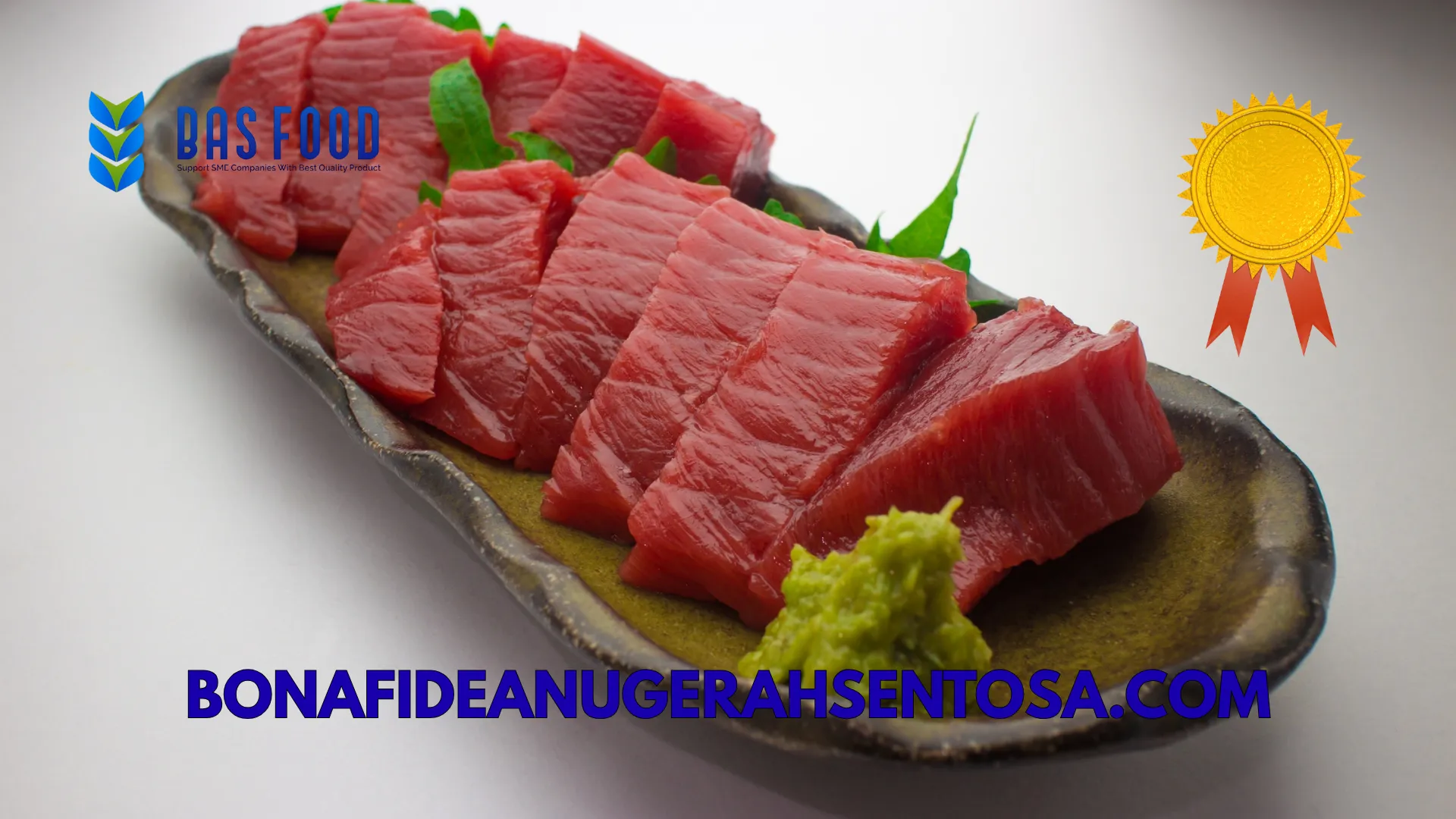
Why Certification Matters in the Bluefin Tuna Trade
Bluefin Tuna is one of the most valuable fish in global seafood markets. Because of its high value, it is also one of the most regulated species. Importing countries apply strict rules to protect fish stocks and consumer safety. Therefore, certification plays a key role.
Certifications show that Bluefin Tuna is caught legally, handled safely, and traded responsibly. Without proper documents, shipments can be delayed, rejected, or even destroyed. As a result, exporters must treat certification as a core business requirement, not an option.
Understanding Bluefin Tuna Certification Basics
Bluefin Tuna certification refers to a set of official documents and approvals required to export this species across borders. These certifications confirm that fishing, processing, and shipping follow international rules.
Different markets may require different certificates. However, most importers look for proof of legality, sustainability, food safety, and traceability. Therefore, exporters must prepare documents carefully and keep them updated at all times.
CITES Certification for Bluefin Tuna Export
The Convention on International Trade in Endangered Species of Wild Fauna and Flora, known as CITES, is one of the most important regulations for Bluefin Tuna. Several Bluefin species are listed under CITES Appendix II.
This means exporters must obtain a CITES export permit for each shipment. The permit confirms that the tuna was caught legally and that export will not harm wild populations. Without a valid CITES permit, international trade is not allowed.
ICCAT Catch Documentation Scheme Explained
The International Commission for the Conservation of Atlantic Tunas, or ICCAT, manages Atlantic Bluefin Tuna fisheries. One of its key tools is the Catch Documentation Scheme, often called CDS.
This system tracks tuna from capture to final destination. Exporters must submit catch details, vessel information, and transfer records. As a result, importers can verify that the tuna comes from approved fishing activities and quotas.
Health Certificates for Food Safety Compliance
Food safety is a top concern for all importing countries. Health certificates confirm that Bluefin Tuna meets hygiene and safety standards for human consumption.
Usually, a government-approved authority issues this certificate. It states that the tuna was processed in licensed facilities, inspected by officials, and handled under sanitary conditions. Without this certificate, customs clearance becomes impossible.
HACCP Certification for Processing Facilities
Hazard Analysis and Critical Control Points, or HACCP, is a global food safety system. Many importing countries require tuna processing facilities to operate under HACCP principles.
This certification shows that exporters identify risks, control hazards, and maintain consistent hygiene. It also builds buyer confidence. Therefore, HACCP certification is often considered a basic requirement for serious exporters.
Sustainability Certifications and Market Demand
Beyond legal compliance, many buyers now demand sustainability certifications. These certifications prove that fishing practices protect marine ecosystems and respect quotas.
Programs such as Marine Stewardship Council (MSC) or regional sustainability schemes support responsible fishing. Although not always mandatory, sustainability certification improves market access and strengthens long-term buyer relationships.
Traceability Documents and Chain of Custody
Traceability is a critical part of Bluefin Tuna certification. Importers want to know where the tuna was caught, how it was handled, and who processed it.
Chain of custody documents link every step in the supply chain. This transparency reduces fraud and supports ethical sourcing. As a result, exporters with strong traceability systems gain higher trust in premium markets.
Country-Specific Certification Requirements
Each importing country may apply additional certification rules. For example, the European Union requires catch certificates under its IUU regulation. The United States applies NOAA seafood import monitoring programs.
Therefore, exporters must understand destination-specific requirements. Preparing the right documents in advance helps avoid delays and ensures smooth customs clearance.
Common Certification Mistakes Exporters Should Avoid
Many exporters face problems due to incomplete or incorrect documents. Missing signatures, expired permits, or inconsistent data can cause shipment rejection.
To avoid these issues, exporters should maintain organized records and work closely with authorities. Regular audits and staff training also help reduce errors and improve compliance.
How Certifications Protect Buyers and Consumers
Certifications protect more than exporters. They also protect buyers, retailers, and final consumers. Certified Bluefin Tuna assures safety, legality, and ethical sourcing.
For consumers, this means safer food and responsible fishing. For buyers, it reduces risk and improves brand reputation. Therefore, certification benefits the entire supply chain.
The Role of Trusted Exporters in Certification Compliance
Working with an experienced exporter simplifies the certification process. Trusted suppliers understand international rules and maintain strong compliance systems.
CV Bonafide Anugerah Sentosa is a trusted Indonesian supplier and producer of fishery products, spices, cocoa, and coconut-based commodities. The company follows strict quality control, traceability, and certification standards to support international trade.
Building Long-Term Trade Through Certification Excellence
Certification is not just about paperwork. It reflects commitment to quality, responsibility, and transparency. Exporters who invest in certification build long-term partnerships with global buyers.
As markets become more regulated, certified exporters gain a clear advantage. Therefore, understanding and applying Bluefin Tuna certification standards is a strategic move for sustainable growth.
Preparing for Future Certification Trends
Regulations continue to evolve. Digital traceability, stricter sustainability rules, and real-time reporting are becoming more common.
Exporters who adapt early will stay competitive. Investing in systems, training, and compliance today prepares businesses for future trade challenges.
Final Thoughts on Bluefin Tuna Certification
Exporting Bluefin Tuna requires more than supply capability. It demands knowledge, discipline, and compliance. Certifications protect fish stocks, support legal trade, and build global trust.
By following proper Bluefin Tuna certification requirements, exporters can access premium markets and contribute to responsible seafood trade worldwide.
Contact CV Bonafide Anugerah Sentosa how we can provide the best solutions for you. WhatsApp: +62 8213 4505 737, Email: info@bonafideanugerahsentosa.com / bas.mdir@gmail.com.