
Roasting is one of the most influential stages in cocoa production. While fermentation and drying set the foundation, the heat applied during roasting has a direct impact on flavor, aroma, color, and safety. Because of this, understanding the cocoa roasting effect on powder is essential for importers, manufacturers, and product developers who want specific sensory profiles.
Even the slightest adjustments in temperature or time can create completely different outcomes. For example, a lower temperature may preserve delicate fruity notes, while a longer roast pushes cocoa into deeper, earthy, and nutty territory. Since each market prefers a different profile, global buyers need to understand how roasting influences the final powder they purchase.
CV Bonafide Anugerah Sentosa, a trusted cocoa, spices, fishery, and coconut supplier from Indonesia, uses carefully controlled roasting systems to deliver consistent and reliable cocoa powder for industrial applications. Their experience in handling cocoa beans ensures that each batch meets international quality expectations.
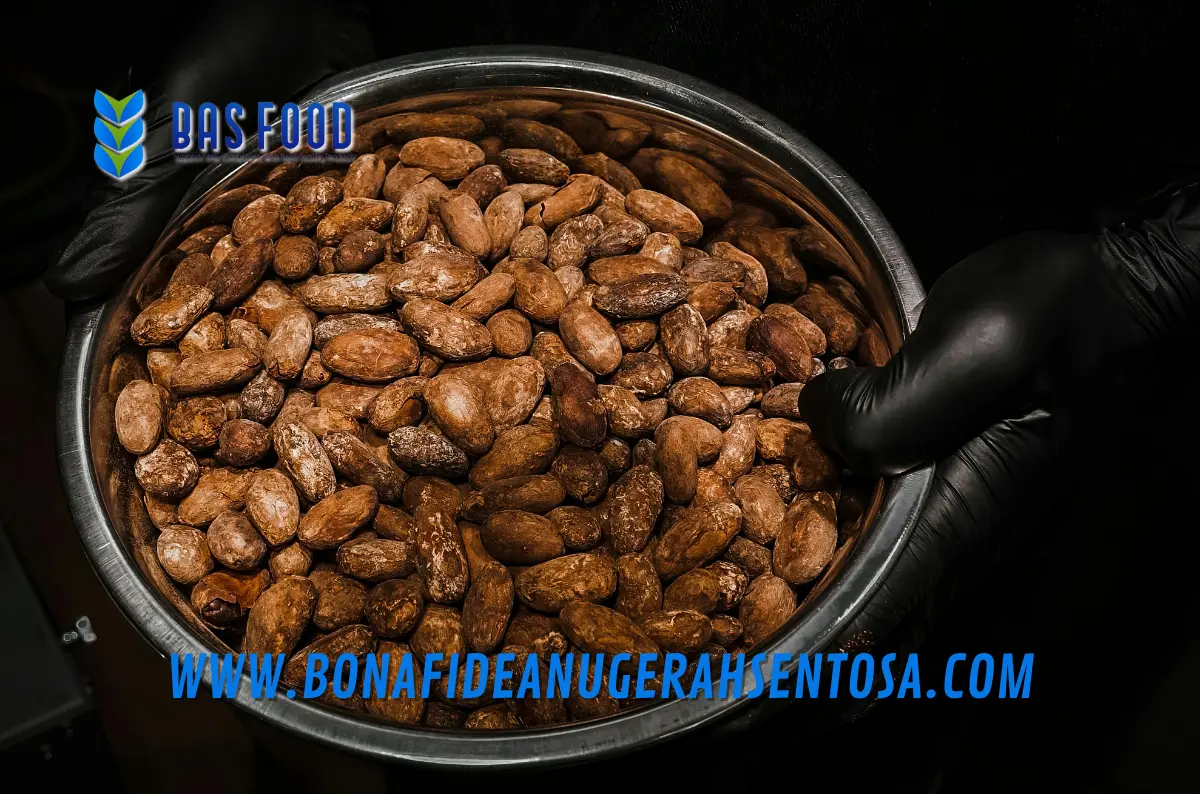
How Heat Transforms Cocoa: The Science Behind Roasting
The moment cocoa beans enter the roaster, chemical reactions start to reshape their identity. The Maillard reaction, caramelization, and moisture reduction work together to build the cocoa’s signature aroma. These reactions also influence the powder’s color and solubility, two features that manufacturers monitor closely.
Roasting also modifies acidity and bitterness. Beans with high fermentation quality often require different heat levels than lighter-fermented beans. This is where cocoa processing variables play an important role. Factors such as bean origin, moisture content, fermentation grade, and bean size influence how heat should be applied.
Heat also affects the fat distribution inside the beans. When roasting is done correctly, cocoa butter softens, helping the nibs grind more efficiently. However, improper heat may cause scorching or uneven roast patterns. Because of this, professional producers use calibrated equipment to maintain uniform results.
Light, Medium, and Dark: Understanding Roasting Levels
Every cocoa powder on the market has a roasting story behind it. These roasting levels are not random; they’re strategic choices that influence taste, color, and performance in food applications.
Light roasting helps preserve natural fruity and floral notes. This profile works well for specialty beverages and premium desserts where delicate flavors matter. Additionally, lighter roasts maintain higher acidity, giving cocoa a brighter and tangier edge.
Medium roasting offers a balanced flavor. It reduces harsh acidity while bringing forward classic cocoa notes. Because of this, medium roasts dominate the chocolate beverage, bakery, and confectionery industries. Many buyers prefer this level because it suits a wide range of applications.
Dark roasting enhances bitterness, reduces acidity, and produces a richer, bolder aroma. This level also creates darker powder color, which many industrial buyers prefer for premium chocolates, dark baking mixes, and rich beverages. However, too much heat can introduce burnt notes, making control essential.
Flavor Development: How Roasting Builds the Cocoa Profile
Flavor in cocoa is not created by chance. It results from the interaction between bean composition and roasting heat. This process unlocks hundreds of aromatic compounds responsible for the chocolatey smell we associate with cocoa powder. Because of this, the cocoa roasting effect on powder directly determines whether a powder tastes mild, intense, nutty, bitter, or fruity.
When beans are gently roasted, the subtler compounds remain intact. This gives cocoa a smoother profile with light acidity. On the other hand, higher heat brings forward deeper and more robust flavors. Many buyers connect these notes with high-end chocolate, especially powders used in dark beverage blends.
Roasting also reduces astringency, a trait often present in under-fermented beans. By managing heat properly, producers can tame harsh flavors and enhance overall smoothness. This makes roasting an important tool for suppliers who work with diverse bean origins and quality grades.
Roasting’s Impact on Aroma, Color, and Texture
Aroma is one of cocoa’s defining features. During roasting, aromatic precursors formed during fermentation undergo transformations that release chocolate-like scents. Darker roasting generally produces a more intense aroma, while lighter roasting retains floral or fruity tones.
Color, another important trait, changes dramatically with heat. As beans roast, pigments darken, which later translates into cocoa powder color. Manufacturers rely on specific color profiles because they influence the visual appeal of finished products. For example, dark beverage powders or black cocoa blends require deeper roasting.
Texture is also influenced by roasting. Properly roasted beans grind more easily, producing a smoother powder with better dispersibility. Industrial buyers working with beverages or sauces rely on fine, consistent textures. Therefore, roasting plays an indirect yet crucial role in cocoa powder performance.
Processing Variables: Time, Temperature, and Bean Characteristics
Producers must understand cocoa processing variables to achieve precise roasting outcomes. Temperature is the most obvious variable, but time, airflow, roasting method, bean moisture, and bean size also influence the final product.
Short roasts at high temperatures produce different results than long, slow roasts. Airflow inside the roaster determines how quickly moisture escapes. Beans with higher moisture typically need gentler roasting to avoid surface burns. Meanwhile, small beans roast faster than large ones, making uniform sorting essential.
Producers with modern equipment can adjust these variables to create consistent batches. This consistency is especially important for large-scale manufacturers who need predictable sensory profiles. CV Bonafide Anugerah Sentosa uses controlled roasting systems designed to ensure even heat distribution and reduce quality fluctuations.
Why Roasting Affects Solubility and Performance in Food Applications
Solubility is a major concern for companies making beverages, dairy mixes, or instant chocolate drinks. Roasting influences how easily cocoa powder dissolves because it changes the internal structure of cocoa particles. Under-roasted beans may produce powder with poor solubility, while over-roasted beans can become brittle and difficult to process.
Food manufacturers consider the cocoa roasting effect on powder when choosing ingredients for specific applications. For example, lightly roasted cocoa works better in products needing bright flavor, while dark-roasted cocoa suits recipes requiring intense color and aroma.
Roasting also affects fat distribution, which influences how powders blend with other ingredients. Good fat distribution results in better emulsification and dispersion, making powders more attractive for industrial formulators.
Microbial Safety: Another Benefit of Proper Roasting
Besides flavor, roasting plays a vital role in safety. High heat reduces microbial load, making cocoa powder safer for consumption. Salmonella and other pathogens do not survive controlled roasting temperatures, which makes this step a critical point in food safety management.
However, roasting alone is not enough. Post-roast handling must follow strict hygiene protocols to prevent recontamination. Producers like CV Bonafide Anugerah Sentosa maintain sanitary processing lines, clean packing environments, and controlled storage conditions to protect product integrity.
For importers, this attention to safety is just as important as flavor. Powder that meets microbial standards gains easier access to markets with strict regulations.
How the Right Roasting Technique Creates Market Advantage
In the competitive cocoa industry, the roasting method can define a brand’s identity. Buyers looking for specific sensory profiles rely on producers who can replicate flavors consistently. Since roasting is one of the most customizable parts of cocoa processing, it becomes an asset when managed properly.
Producers who understand roasting levels and their impact can offer tailored powders for chocolate drinks, bakery mixes, confectionery blends, and premium chocolate manufacturing. This flexibility helps importers meet consumer demand across different markets.
CV Bonafide Anugerah Sentosa takes advantage of this by offering cocoa powder with stable flavor profiles and controlled roasting techniques. Their production capabilities help global buyers secure reliable supply while maintaining product quality.
Conclusion: Roasting Shapes Quality from Bean to Powder
Roasting is more than just a heat step; it’s a transformation stage that determines how cocoa powder will taste, smell, look, and perform. By understanding the cocoa roasting effect on powder, buyers can make smarter sourcing decisions, especially when selecting products tailored for industrial applications.
Roasting influences flavor development, aroma release, solubility, and microbial safety. It also depends heavily on roasting levels and cocoa processing variables, making experience and consistency essential for suppliers. Working with professional producers like CV Bonafide Anugerah Sentosa ensures access to cocoa powder with stable quality, clear documentation, and strong safety protocols.
For global manufacturers, choosing the right roasting profile can elevate product quality and create a competitive edge in the market.
Contact CV Bonafide Anugerah Sentosa how we can provide the best solutions for you. WhatsApp: +62 8213 4505 737, Email: info@bonafideanugerahsentosa.com / bas.mdir@gmail.com.