
Tuna fillet packaging plays a critical role in frozen seafood export. Importers handling long-distance shipments depend on strong packaging and strict temperature control to protect quality. Therefore, exporters must combine durable materials, hygienic handling, and reliable cold chain systems.
In global seafood logistics, even small failures can cause loss or rejection. As a result, packaging standards and temperature monitoring are not optional. They form the backbone of safe and compliant tuna fillet shipments.
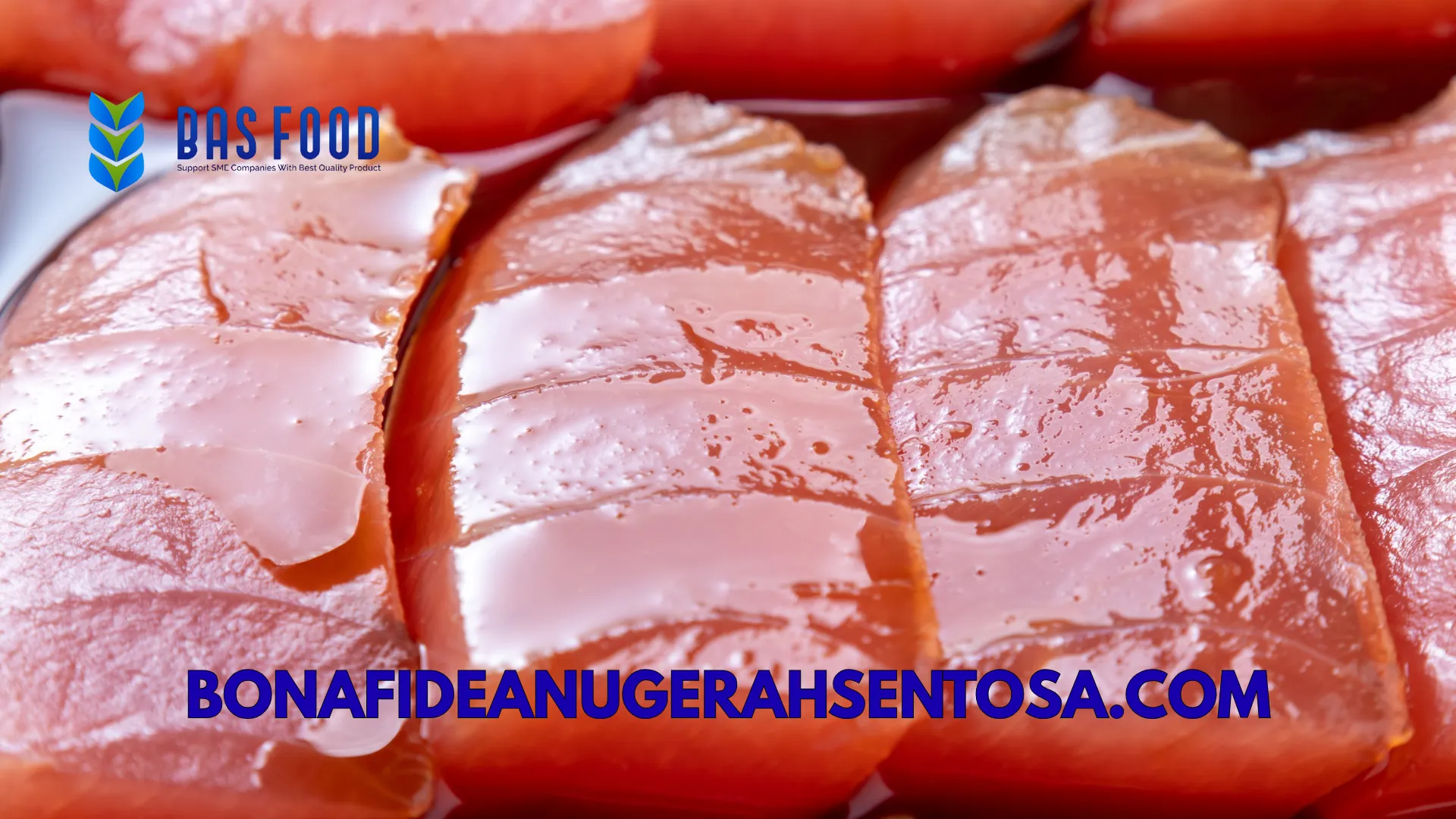
Why Tuna Fillet Packaging Matters in Export Trade
Tuna fillets, whether from Yellowfin, Skipjack, or Bluefin, contain high protein and moisture. Because of this, they spoil quickly if exposed to heat or contamination. Proper tuna fillet packaging prevents freezer burn, dehydration, and physical damage.
Moreover, packaging protects the product during container loading, sea freight, and port handling. Strong export cartons reduce crushing risk and maintain product integrity. This is especially important for intercontinental markets.
Core Components of Tuna Fillet Packaging
Tuna fillet packaging typically starts with food-grade primary wrapping. Processors often use vacuum-sealed plastic or polyethylene liners to limit oxygen exposure. This helps preserve color and texture.
Secondary packaging includes inner cartons and master cartons. Exporters select corrugated boxes with high burst strength to handle stacking. Clear labeling ensures traceability and customs compliance.
Regulatory Standards for Frozen Seafood Packaging
Seafood exports must comply with national and destination food safety regulations. Authorities often require materials approved for direct food contact. Therefore, packaging must meet HACCP and sanitary standards.
In addition, labeling must include species name, net weight, production date, and lot code. Many markets also require scientific names and catch areas. Accurate details support traceability and audit readiness.
Cold Chain Requirements for Tuna Fillet Export
Frozen tuna fillets require stable temperatures, usually at -18°C or lower. Therefore, exporters must control conditions from processing plant to destination port. Any break in the cold chain can affect texture and safety.
Reefer containers play a central role in this process. They maintain constant temperature during sea freight. However, correct pre-cooling and container inspection are equally important.
Temperature Monitoring and Documentation
Temperature loggers provide proof of cold chain integrity. Exporters place them inside cartons or containers before shipment. This data supports quality claims if disputes arise.
Furthermore, digital monitoring systems allow real-time tracking. Importers value this transparency, especially for long transit routes. It reduces uncertainty and protects business relationships.
Handling Procedures Before Container Loading
Before loading, staff must move cartons quickly from cold storage to the dock. Exposure time should remain minimal. Therefore, organized staging areas are essential.
Workers should also inspect tuna fillet packaging for damage or moisture. Any compromised carton must be replaced immediately. This simple step prevents larger losses later.
Risks of Poor Packaging or Cold Chain Failure
Weak cartons can collapse under pallet weight. As a result, inner packs may tear and expose fillets to air. This leads to freezer burn and quality claims.
Temperature fluctuations create even greater risk. If tuna partially thaws and refreezes, texture changes and drip loss increases. Importers may reject such shipments upon inspection.
Best Practices for Long-Distance Markets
For distant markets in Europe, the Middle East, or North America, exporters must plan transit carefully. They should confirm sailing schedules and avoid unnecessary port delays. In addition, they should select high-performance reefer units.
Companies such as CV Bonafide Anugerah Sentosa apply structured export procedures across tuna, spices, cocoa, and coconut products. This cross-sector experience strengthens packaging discipline and international compliance. As a result, global buyers receive consistent and reliable shipments.
Quality Control and International Compliance
Quality control begins at processing. Teams inspect fillet trimming, glazing, and blast freezing before packaging. Then, supervisors verify carton sealing and labeling accuracy.
Exporters must also align with international standards such as HACCP and, where required, EU or FDA regulations. Clear records demonstrate compliance during audits. This approach builds confidence with import managers and customs teams.
Integration with Cold Storage Infrastructure
Tuna fillet packaging works effectively only when supported by strong cold storage systems. Modern facilities maintain stable temperatures and controlled humidity. Therefore, exporters should invest in reliable storage capacity.
Importers can review detailed information about cold storage capability and logistics systems through our dedicated operations pages. These resources provide transparency on handling and container preparation processes.
Conclusion: Protecting Value Through Standards
Tuna fillet packaging and cold chain management protect product value across global supply chains. When exporters apply strict standards, they reduce spoilage and shipment risk. Consequently, importers gain confidence in long-term supply agreements.
In frozen seafood trade, discipline and consistency matter more than speed. Strong packaging, monitored temperature control, and regulatory compliance ensure safe delivery to distant markets.
FAQ Section
- What temperature should frozen tuna fillets be shipped at?
Frozen tuna fillets should remain at -18°C or lower throughout storage and transport. - Why is vacuum sealing used in tuna fillet packaging?
Vacuum sealing reduces oxygen exposure, which helps preserve color, texture, and freshness. - How do exporters monitor cold chain integrity?
They use temperature data loggers and reefer container monitoring systems during transit. - What causes freezer burn in tuna fillets?
Freezer burn occurs when packaging allows air exposure or when temperature fluctuates. - Are packaging standards the same for all tuna species?
The general standards are similar, but premium species like Bluefin may require stricter handling and presentation controls.
Contact CV Bonafide Anugerah Sentosa how we can provide the best solutions for you. WhatsApp: +62 8213 4505 737, Email: info@bonafideanugerahsentosa.com / bas.mdir@gmail.com.