
Tuna fillet foodservice supply plays a key role in modern Horeca distribution. Restaurants, hotels, and catering companies require consistent quality, safe handling, and reliable delivery. Therefore, distributors must source tuna fillets that meet both culinary and regulatory standards.
In Europe and the Middle East, demand continues to grow for premium frozen seafood. As a result, Horeca buyers look for exporters who understand portion control, species selection, and cold chain integrity. This guide explains how tuna fillet solutions align with foodservice needs.
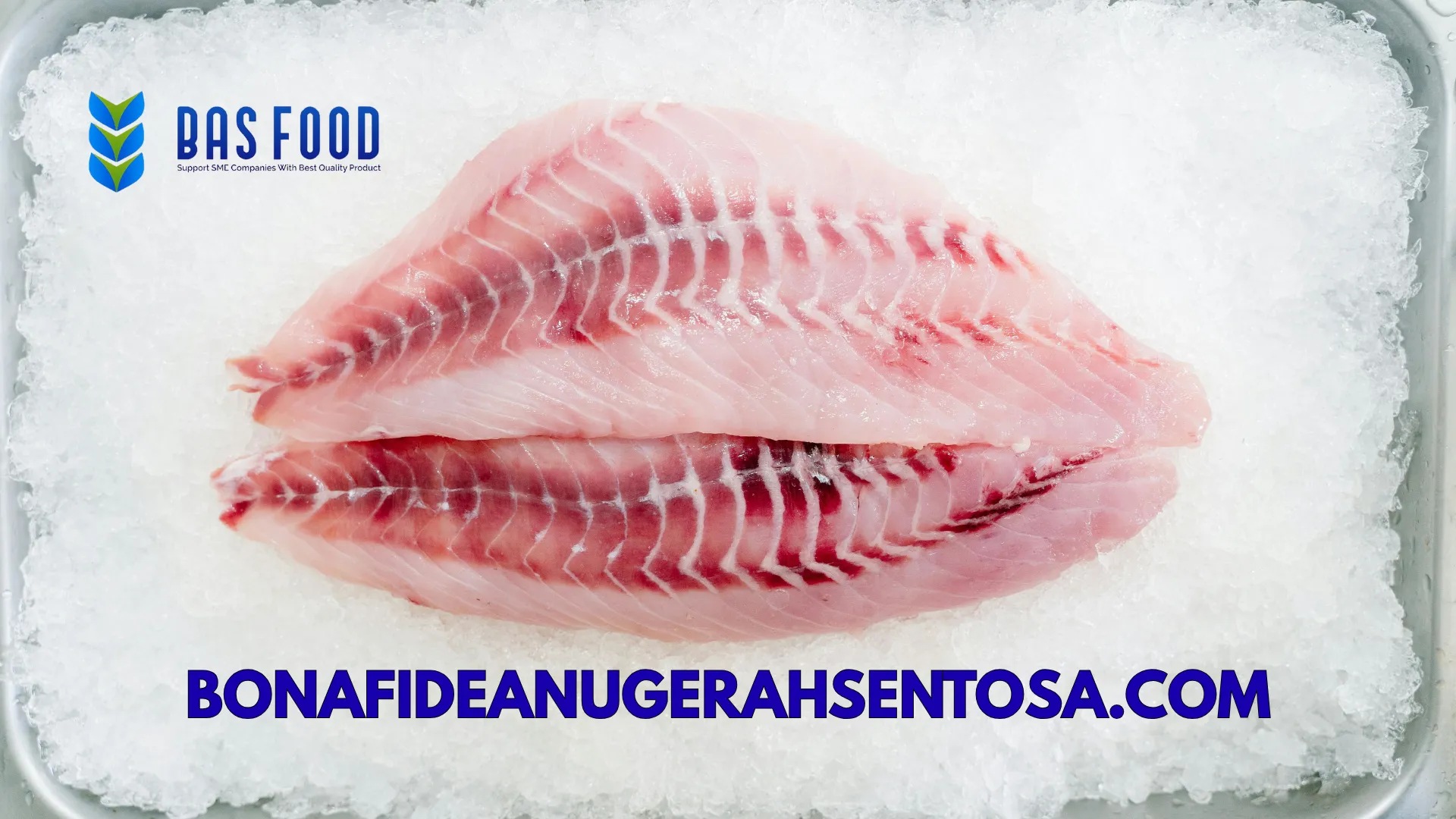
Understanding Tuna Fillet Foodservice Requirements
Tuna fillet foodservice buyers prioritize uniform size, clean trimming, and stable freezing. Chefs need predictable yield and texture for menu planning. Consequently, fillets must arrive in consistent grades and cuts.
Moreover, Horeca distributors often serve diverse outlets, from sushi bars to hotel buffets. Each segment requires specific specifications. Clear communication between exporter and distributor reduces supply gaps.
Tuna Species Commonly Used in Horeca Channels
Yellowfin tuna remains popular in restaurants for its firm texture and bright color. It works well for steaks, grilled dishes, and sashimi applications. Therefore, many foodservice buyers request standardized Yellowfin fillets.
Bluefin tuna serves high-end dining and premium sushi markets. Meanwhile, Skipjack often fits value-oriented menus. Choosing the right species ensures cost control and menu alignment.
Portion Control and Product Formats
Horeca distributors often request fixed-weight portions. This approach simplifies kitchen operations and reduces waste. As a result, processors must trim fillets accurately before freezing.
Common formats include skinless boneless loins, steaks, and vacuum-packed fillets. Each format supports different service styles. Proper labeling and batch coding strengthen traceability across distribution networks.
Food Safety Regulations in Foodservice Supply
Foodservice channels operate under strict food safety rules. European Union markets follow regulations on hygiene, traceability, and catch documentation. Middle Eastern markets also require clear health certification.
Therefore, tuna fillet foodservice shipments must include health certificates and catch records. Exporters must align with HACCP systems and international sanitary standards. Compliance protects distributors from audit risk.
Cold Chain Standards for Horeca Distribution
Frozen tuna fillets must remain at stable temperatures during storage and transport. Most markets require -18°C or lower throughout the supply chain. Any temperature deviation can affect texture and safety.
Reefer containers and cold storage facilities support this requirement. Additionally, temperature loggers provide documentation for quality assurance. Distributors value this transparency when serving premium clients.
Quality Control Before Shipment
Quality inspection begins at processing plants. Teams check color, odor, texture, and glazing before packing. This step ensures fillets meet Horeca-grade expectations.
Furthermore, supervisors verify packaging strength and labeling accuracy. Clear batch codes help distributors manage inventory rotation. This attention to detail supports long-term contracts.
Logistics Planning for Europe and Middle East
Transit time influences product stability. Therefore, exporters must plan routes carefully and select reliable shipping lines. Efficient scheduling reduces port congestion risk.
In addition, documentation accuracy speeds up customs clearance. Tuna fillet foodservice cargo often moves through high-volume ports. Smooth clearance protects delivery schedules for hotels and catering events.
Risks in Horeca Seafood Supply
Inconsistent trimming can lead to yield complaints from chefs. As a result, distributors may face return claims. Standardized processing reduces this risk.
Cold chain failures present an even greater concern. Partial thawing affects texture and color. Consequently, strict monitoring remains essential for premium segments.
Matching Product to Horeca Use Cases
Different foodservice outlets require tailored solutions. Fine dining restaurants prefer sashimi-grade fillets. Catering companies may prioritize cost efficiency and portion size.
Exporters should align product specifications with final use. Companies like CV Bonafide Anugerah Sentosa apply structured quality systems across tuna, spices, cocoa, and coconut exports. This operational discipline supports reliable supply for global Horeca distributors.
Building Long-Term Partnerships with Distributors
Horeca markets value stability and transparency. Therefore, exporters should share clear specifications, inspection reports, and shipping updates. Open communication reduces uncertainty.
Distributors can explore additional fishery supply solutions through our dedicated Horeca seafood pages. Integrated sourcing strengthens portfolio consistency. Over time, this approach builds sustainable trade relationships.
Conclusion: Reliable Tuna Supply for Horeca Growth
Tuna fillet foodservice supply requires more than frozen product. It demands regulatory compliance, portion precision, and cold chain reliability. When exporters meet these standards, distributors can serve restaurants and hotels with confidence.
As global dining markets expand, structured sourcing becomes even more important. Consistent quality and compliance form the foundation of successful Horeca seafood partnerships.
FAQ Section
- What species are best for tuna fillet foodservice supply?
Yellowfin suits most restaurants, while Bluefin fits premium sushi markets and Skipjack supports value segments. - What temperature is required for frozen tuna fillets?
Most markets require storage and transport at -18°C or lower. - How do exporters ensure traceability for Horeca buyers?
They use batch coding, catch certificates, and documented HACCP systems. - Why is portion control important in foodservice?
It helps kitchens manage cost, reduce waste, and maintain consistent plating. - Are there special certifications required for European Horeca markets?
Yes. Exporters must meet EU hygiene rules and provide valid health and catch certificates.
Contact CV Bonafide Anugerah Sentosa how we can provide the best solutions for you. WhatsApp: +62 8213 4505 737, Email: info@bonafideanugerahsentosa.com / bas.mdir@gmail.com.