
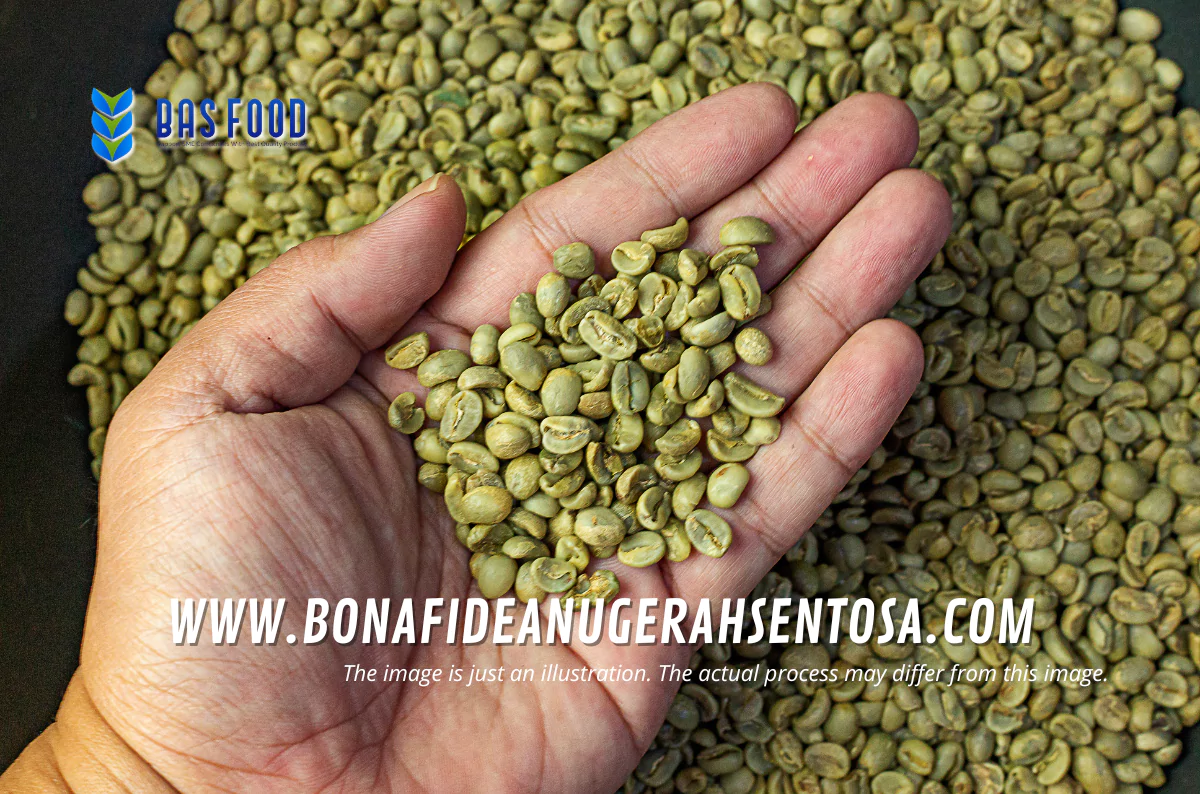
Green Robusta Coffee from Mandailing, North Sumatra, is gaining attention not only for its bold taste and natural resilience but also for the values it represents. As global consumers grow more conscious of how their coffee is grown, traceability and sustainability have become non-negotiable.
The region’s unique climate and elevation give Mandailing coffee its distinctive profile, but it’s the supply chain—rooted in smallholder farmers and responsible exporters—that makes this coffee stand out. From farm to warehouse, traceability is woven into every step, ensuring buyers know exactly where their beans come from and how they were grown.
Why Sustainability Matters in Mandailing’s Coffee Economy
Sustainability in coffee farming means protecting the land, empowering local communities, and producing coffee with the future in mind. In Mandailing, most coffee is grown by smallholders who rely on natural methods, organic fertilizers, and traditional harvesting techniques. This low-intervention approach helps preserve biodiversity and reduce carbon emissions.
However, sustainability also involves human impact. These farmers face economic instability due to fluctuating coffee prices and changing weather patterns. By supporting sustainable coffee Mandailing systems, buyers help ensure fair wages, better education, and long-term security for rural families.
Traceability: From Coffee Cherry to Export Document
Traceability means being able to track a product at every stage of its journey. In the case of Mandailing’s Green Robusta Coffee, traceability starts on the farm—where cherries are hand-picked and sorted—and follows through to processing, storage, shipping, and export.
Each batch can be linked to a specific group of farmers, a processing method, and a location. This level of transparency not only builds trust with buyers abroad but also strengthens quality control. Traceable systems allow exporters to isolate and resolve issues quickly, while buyers can choose beans that meet their exact specifications.
Digital Tools Driving Coffee Traceability in Mandailing
Digital platforms and mobile apps are helping coffee cooperatives in Mandailing to log information in real time. These tools capture farm data, processing methods, moisture levels, and logistics. Blockchain is also being explored to secure records and share them with buyers.
The use of QR codes on coffee sacks or pallets lets buyers scan and view the full journey of their product. This enhances confidence and can even be used in marketing campaigns to show consumers that their coffee supports sustainable farming.
The Role of Exporters in Upholding Sustainability
Exporters play a vital role in the sustainability of Mandailing’s coffee. They’re the bridge between farmers and the global market, and they have the power to ensure fair practices and transparent reporting.
CV Bonafide Anugerah Sentosa is one such trusted name in the field. Known not only as a green coffee supplier but also as a reliable spices supplier, fishery supplier, and coconut supplier from Indonesia, the company emphasizes ethical sourcing and full traceability. They work closely with farmers, provide technical assistance, and invest in eco-friendly practices.
Certifications and Standards for Sustainable Coffee Mandailing
To back up sustainability claims, certifications matter. Many Mandailing coffee farms are working toward or already hold certifications such as Rainforest Alliance, Organic, or Fair Trade. These marks help assure buyers that environmental and labor standards are being met.
Exporters like CV Bonafide Anugerah Sentosa also help facilitate these certifications. By handling documentation and compliance, they ease the burden on small farmers and make certification more accessible. This opens the door to premium markets that reward responsible producers.
Environmental Practices Behind the Beans
Sustainable coffee Mandailing supply chains prioritize the environment. Many farmers avoid chemical pesticides and use shade trees to protect the coffee plants. Composting, intercropping, and water-saving practices are common.
Processing facilities are also upgrading to cleaner technologies. Solar drying, water filtration systems, and waste reuse are steps being taken to minimize environmental impact. This not only protects local ecosystems but also makes the supply chain more appealing to eco-conscious buyers.
Socioeconomic Impact of Sustainable Coffee Initiatives
Beyond environmental benefits, sustainable practices are transforming communities. When farmers receive fair prices, they invest in education, healthcare, and community infrastructure. Women’s involvement in coffee cooperatives is also rising, empowering more families.
Traceability platforms ensure transparency in pricing, preventing middlemen from taking unfair margins. This builds equity into the supply chain and ensures that the people doing the hardest work see real benefits.
Challenges and Opportunities Ahead
Despite progress, challenges remain. Climate change threatens crop yields, and many farmers still lack access to financing, training, and reliable market data. Meanwhile, buyers in Europe, the US, and Japan are demanding ever-higher standards.
The opportunity lies in deeper collaboration. Exporters, NGOs, and governments can work together to invest in farmer education, infrastructure, and technology. Buyers, on the other hand, can commit to long-term contracts that reward sustainable practices and help buffer economic shocks.
How Buyers Can Support Sustainable Coffee Mandailing
If you’re sourcing coffee for an F&B brand, a herbal product, or as a direct importer, supporting sustainable coffee Mandailing is a smart move. Look for suppliers like CV Bonafide Anugerah Sentosa who prioritize transparency and quality. Ask for traceability reports and certification proof.
By choosing partners who invest in people and the planet, you’re not only getting great coffee—you’re making a meaningful impact in one of Indonesia’s most storied coffee-growing regions.
Final Thoughts: Sustainability is a Shared Responsibility
Sustainability and traceability in the Green Robusta Coffee Mandailing supply chain don’t happen by accident. They result from the hard work of farmers, the dedication of exporters, and the growing demand from conscious buyers.
To keep this momentum going, all players must stay committed to responsible practices. Whether you’re a supplier, a roaster, or a consumer, your choices matter. And when you choose Mandailing coffee, you’re choosing a cup that tells a story of fairness, care, and resilience.
Contact CV Bonafide Anugerah Sentosa how we can provide the best solutions for you. WhatsApp: +62 8213 4505 737, Email: info@bonafideanugerahsentosa.com / bas.mdir@gmail.com.