
Finding a reliable partner for your raw material needs is the backbone of any successful food production line. When you are sourcing desiccated coconut, you aren’t just buying an ingredient; you are investing in the texture, flavor, and shelf-life of your final product. This guide provides a comprehensive roadmap for food manufacturers looking to elevate their standards.
As a global industry, the demand for industrial food ingredients continues to rise. Whether you are producing vegan confectionery in Europe or traditional pastries in Saudi Arabia, understanding the nuances of coconut sourcing is vital. Let’s dive into how you can secure the best supply for your business.
Why Desiccated Coconut is the Secret Weapon for Modern Food Manufacturers
Desiccated coconut is far more than just a topping for donuts. It is a functional powerhouse that provides structure, moisture retention, and a rich nutritional profile to a vast array of products. For manufacturers, the consistency of this ingredient determines the consistency of the brand.
Choosing to work with a dedicated B2B coconut supplier allows you to customize the specifications of the coconut. From fine granules for smooth fillings to medium shreds for crunchy granola, the versatility of desiccated coconut is unmatched. It remains a staple because it is naturally gluten-free and plant-based, fitting perfectly into modern dietary trends.
Navigating the Landscape of Sourcing Desiccated Coconut
The process of sourcing desiccated coconut begins with understanding the origin. Indonesia, as a leading global producer, offers a unique advantage due to its volcanic soil and tropical climate, which results in a naturally sweeter and creamier coconut meat.
When you look for a supplier, you must evaluate their supply chain transparency. A top-tier exporter like CV Bonafide Anugerah Sentosa ensures that the journey from the plantation to the processing plant is monitored. This level of oversight guarantees that the bulk desiccated coconut you receive is fresh and free from contaminants.
Identifying the Right B2B Coconut Supplier for Your Business
Not all suppliers are created equal. A true B2B coconut supplier understands that food manufacturers have strict production schedules and cannot afford delays or quality fluctuations. You need a partner who speaks the language of international trade and logistics.
Look for a supplier that offers personalized service. This includes providing COAs (Certificates of Analysis) for every batch and offering flexible packaging options. Reliability in communication is just as important as the product itself; you need an exporter who provides real-time updates on shipping and harvest conditions.
The Science of Fat Content: Balancing Flavor and Functionality
In the world of industrial food ingredients, fat content is a critical specification. High-fat desiccated coconut (typically over 60%) is prized for its rich mouthfeel and intense aroma. It is the gold standard for high-end bakeries and confectionery brands that prioritize a premium taste.
On the other hand, reduced-fat options are often used in specialized health foods or as a cost-effective filler that still provides the necessary fiber. When sourcing desiccated coconut, always specify the fat percentage required for your formulation to ensure your production machinery handles the ingredients correctly.
Why Bulk Desiccated Coconut is the Gold Standard for Scalability
For large-scale food factories, purchasing bulk desiccated coconut is the only way to maintain healthy margins. Buying in 25kg or 50kg multi-ply kraft paper bags ensures that the product is protected from moisture while remaining easy to handle in a warehouse environment.
Logistically, bulk purchasing reduces the carbon footprint per kilogram of product. It also allows manufacturers to maintain a “safety stock,” ensuring that seasonal fluctuations in coconut harvests do not halt their production lines. Efficient bulk sourcing is the hallmark of a sophisticated procurement department.
Decoding Quality: Grades, Colors, and Sensory Profiles
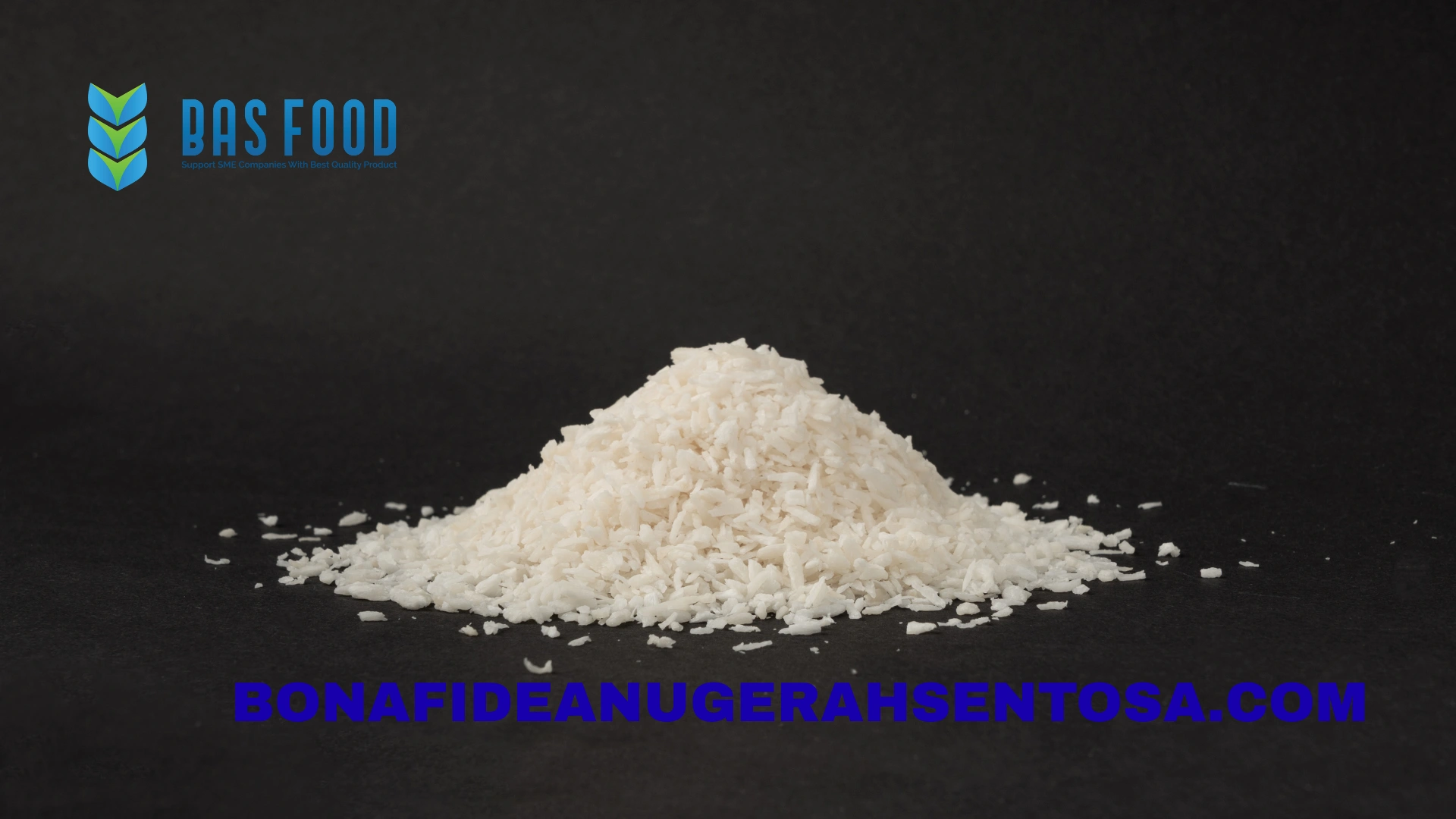
When you receive a sample from a supplier, you should look for a “snow-white” color. Any yellowing or discoloration is a red flag indicating aging or poor drying processes. The scent should be fresh and nutty, never soapy or rancid.
The texture or “grade” is equally important. Fine grade is almost like a coarse flour, perfect for biscuits, while medium grade provides the classic shredded look for macaroons. Understanding these distinctions ensures that when you are sourcing desiccated coconut, you get exactly what your recipe demands.
Meeting International Food Safety Standards (HACCP and Beyond)
Food safety is non-negotiable. When importing industrial food ingredients into markets like the USA or the EU, your documentation must be flawless. Your supplier should adhere to HACCP (Hazard Analysis and Critical Control Points) and Good Manufacturing Practices (GMP).
Beyond basic safety, many regions require specific certifications. For the Middle Eastern market, Halal certification is essential. For the health-conscious European market, non-GMO and organic certifications can provide a significant competitive edge. Always verify these credentials before signing a long-term contract.
The Impact of Processing Technology on Your Final Product
The way coconut meat is dried determines its final quality. Modern hot-air drying techniques ensure that the moisture content stays below 3%, which prevents the growth of mold and bacteria. This technical precision is what differentiates a premium B2B coconut supplier from a local trader.
Furthermore, the deshelling and paring process must be meticulous. Any leftover brown skin (testa) can create dark specks in the white coconut, which may be undesirable for aesthetic-focused products like white chocolate truffles. High-quality processing results in a pure, uniform ingredient.
Sustainable Sourcing: Protecting the Future of Coconut Farming
Sustainability is no longer a buzzword; it is a business requirement. Consumers today want to know that their food does not come at the cost of the environment. Sustainable sourcing desiccated coconut involves supporting fair wages for farmers and ensuring that coconut groves are managed responsibly.
By partnering with an Indonesian exporter that values community relationships, your brand contributes to a positive global impact. This story of sustainability can be shared with your own customers, adding emotional value to your products and building long-term brand loyalty.
Logistics and Lead Times: Managing the Global Supply Chain
Shipping bulk desiccated coconut from Southeast Asia to the rest of the world requires expert logistics management. You must account for lead times, which include production, internal trucking, and sea freight. A transparent supplier will provide clear timelines for every stage.
To optimize your supply chain, consider the climate of the destination. Coconut products are sensitive to extreme heat and humidity during transit. Professional exporters use container liners and moisture-absorbing silica gel to ensure the product arrives in the same condition it left the factory.
Customizing Your Order: From Moisture to Mesh Size
One of the greatest benefits of a strong relationship with a B2B coconut supplier is customization. If your factory uses automated dispensers, you might need a very specific mesh size to prevent clogging. If you are making protein bars, you might require a specific moisture level to keep the bars chewy.
Don’t be afraid to ask for tailored solutions. Most high-end exporters are happy to adjust their milling or drying parameters for large, recurring orders. This collaboration between the manufacturer and the supplier is what leads to innovation in the food industry.
Conclusion: Securing Your Competitive Edge
In conclusion, sourcing desiccated coconut is a strategic decision that impacts every facet of your food manufacturing business. By prioritizing quality, safety, and a strong partnership with an experienced B2B coconut supplier, you ensure that your products stand out in a crowded marketplace.
Whether you need bulk desiccated coconut for high-volume production or specialized industrial food ingredients for gourmet creations, the right source makes all the difference. Start your journey with a partner who understands the global standards and is committed to your success.