
Shredded coconut moisture plays a critical role in determining product safety, shelf life, and export quality. For importers and QA teams, understanding moisture levels helps prevent spoilage, maintain texture, and meet international standards. Therefore, this guide explains how moisture content and water activity affect stability in shredded coconut.
Moreover, buyers need clear benchmarks to evaluate suppliers. This article breaks down technical parameters such as moisture percentage, water activity (aw), and storage practices. As a result, you can make informed sourcing decisions for industrial applications.
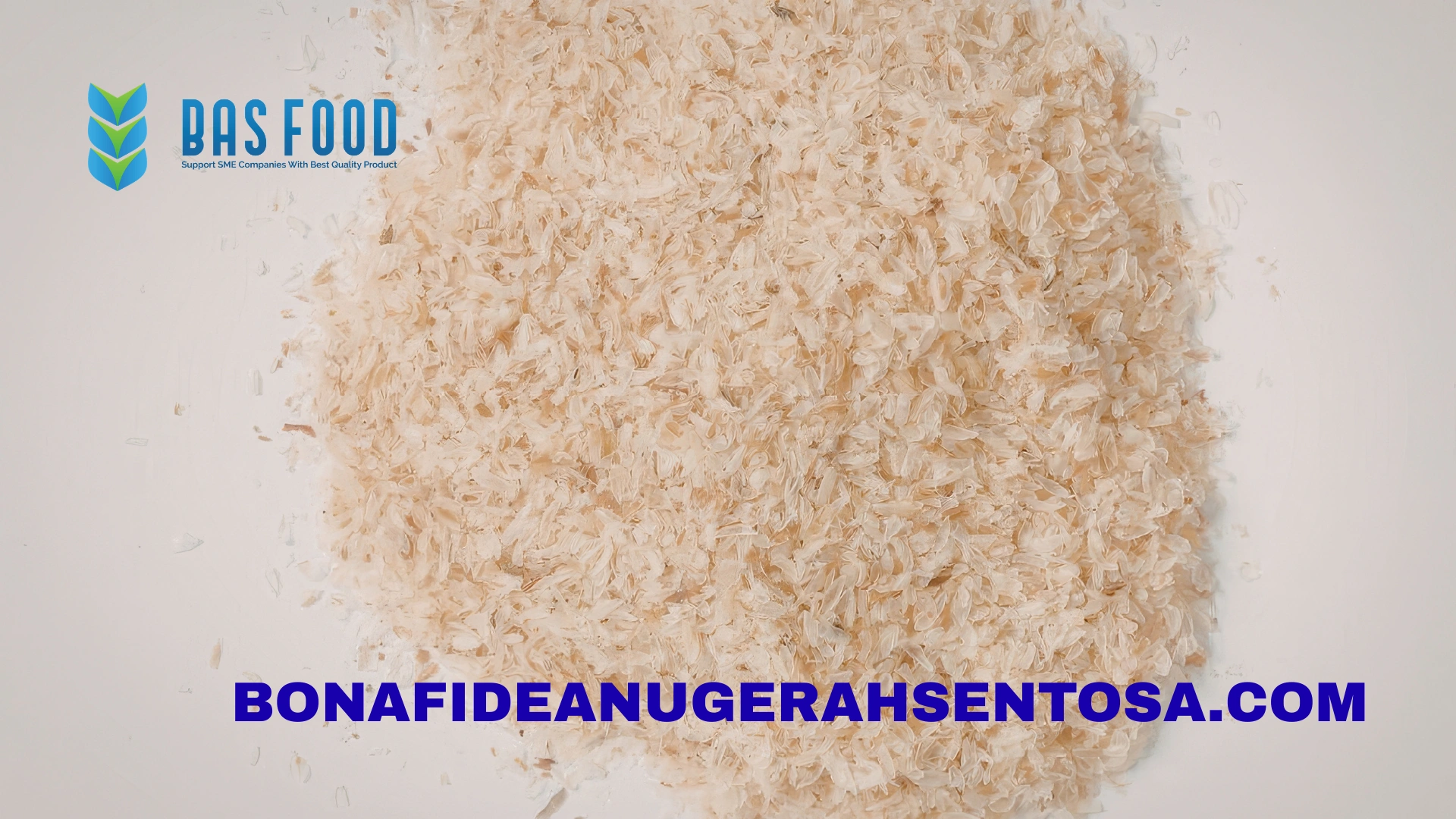
What Is Shredded Coconut Moisture?
Shredded coconut moisture refers to the amount of water remaining in the coconut after processing and drying. Typically, manufacturers measure it as a percentage of total weight. Lower moisture levels help extend shelf life and reduce microbial growth.
In addition, moisture directly impacts texture and usability. For example, high moisture may lead to clumping, while very low moisture creates a dry and brittle product. Therefore, balancing moisture is essential for consistent product performance.
Why Moisture Matters in Shelf Stability
Moisture is one of the main factors that affect shelf stability. When moisture levels rise, microorganisms such as mold and yeast can grow more easily. As a result, the product may spoil faster.
On the other hand, controlled moisture improves storage stability. It also supports safe transportation over long distances. Consequently, exporters must manage moisture carefully to maintain product integrity during shipping.
Understanding Water Activity (aw) in Coconut Products
What Is Water Activity?
Water activity (aw) measures the availability of free water for microbial growth. Unlike moisture percentage, aw focuses on how water behaves in the product. This makes it a more accurate indicator of spoilage risk.
For shredded coconut, aw values below 0.60 generally prevent microbial growth. Therefore, maintaining low aw is essential for food safety.
Relationship Between Moisture and aw
Although moisture and aw are related, they are not the same. A product can have moderate moisture but still low aw if water is tightly bound. However, poor processing can increase both values.
As a result, manufacturers monitor both parameters during production. This ensures better control over shelf stability.
Standard Moisture Levels in Shredded Coconut
Most export-grade shredded coconut has a moisture content between 2% and 3%. This range balances shelf life and usability. Lower moisture reduces spoilage risk, while still keeping the texture workable.
However, specifications may vary depending on the application. For example, bakery manufacturers may require slightly different moisture levels. Therefore, buyers should always review product specifications before sourcing.
Processing Methods That Control Moisture
Drying Techniques
Manufacturers use hot air drying to reduce moisture in shredded coconut. This process removes water efficiently while preserving structure. As a result, it ensures consistent quality.
Additionally, proper temperature control prevents overheating. This helps maintain color and flavor.
Post-Drying Handling
After drying, producers must handle the product carefully. Exposure to humidity can quickly increase moisture levels. Therefore, facilities use controlled environments to maintain stability.
Packaging and Its Impact on Moisture Retention
Packaging plays a key role in protecting shredded coconut from moisture absorption. Multi-layer bags with moisture barriers are commonly used in export markets. These materials prevent external humidity from entering the product.
Furthermore, vacuum or nitrogen flushing can improve shelf stability. As a result, the product remains fresh during long shipping periods. This is especially important for international trade routes.
Storage Conditions for Optimal Shelf Life
Proper storage conditions help maintain shredded coconut moisture at safe levels. Ideally, the product should be stored in a cool, dry place with low humidity. This reduces the risk of moisture absorption.
In addition, warehouses should maintain good ventilation. Temperature fluctuations should also be minimized. Therefore, consistent storage conditions support longer shelf life.
Risks of Improper Moisture Control
Poor moisture control can lead to several quality issues. First, high moisture increases the risk of mold growth. This can make the product unsafe for consumption.
Second, moisture fluctuations affect texture and usability. Clumping and discoloration may occur. Consequently, inconsistent moisture can reduce product value and buyer trust.
Compliance with International Food Safety Standards
Exporters must comply with global food safety standards when managing shredded coconut moisture. These include HACCP, ISO systems, and microbiological limits. Such frameworks ensure consistent quality control.
Moreover, regulatory authorities often specify moisture and aw limits. Therefore, exporters must document and verify these parameters. This supports smooth customs clearance and buyer confidence.
Quality Control and Testing Procedures
Quality control teams regularly test moisture and aw levels during production. They use moisture analyzers and water activity meters to ensure accuracy. As a result, they can detect deviations early.
In addition, batch testing ensures consistency across shipments. This is critical for bulk buyers who require uniform quality. Therefore, strong QC systems reduce risk in international trade.
Best Practices for Importers and Buyers
Importers should always request detailed product specifications. These should include moisture percentage, aw values, and shelf life. This helps evaluate supplier reliability.
Furthermore, buyers should inspect packaging and storage conditions upon arrival. Working with experienced exporters such as CV Bonafide Anugerah Sentosa can also improve consistency. The company has experience handling various commodities, including coconut products, spices, cocoa, and seafood, with strong compliance practices.
Shelf Life Expectations Based on Moisture Levels
Shelf life depends heavily on shredded coconut moisture and storage conditions. Typically, properly dried coconut can last 12 to 24 months. However, higher moisture may shorten this period.
Additionally, packaging and transportation conditions influence shelf life. Therefore, maintaining low moisture and stable conditions ensures longer usability.
Conclusion: Why Moisture Control Defines Product Quality
Shredded coconut moisture is a key factor in determining shelf stability, safety, and export readiness. It directly affects microbial growth, texture, and overall quality. Therefore, both exporters and importers must monitor it closely.
In conclusion, understanding moisture content and water activity helps buyers make better sourcing decisions. With proper control, shredded coconut remains stable, safe, and suitable for global markets.
FAQ Section
1. What is the ideal shredded coconut moisture level for export?
Most export-grade products maintain moisture between 2% and 3% to ensure stability and safety.
2. How does water activity affect shredded coconut shelf life?
Lower water activity reduces microbial growth, which extends shelf life and improves safety.
3. Can shredded coconut absorb moisture during storage?
Yes, it can absorb moisture from the environment if packaging is not properly sealed.
4. What happens if moisture content is too high?
High moisture can lead to mold growth, spoilage, and reduced product quality.
5. How do exporters control shredded coconut moisture?
They use controlled drying processes, proper packaging, and strict quality testing procedures.
Contact CV Bonafide Anugerah Sentosa how we can provide the best solutions for you. WhatsApp: +62 8213 4505 737, Email: info@bonafideanugerahsentosa.com / bas.mdir@gmail.com.