
Shredded coconut certification is a critical requirement for exporters who want to access global markets such as the EU and the US. Importers rely on verified certifications to ensure food safety, regulatory compliance, and consistent product quality. Therefore, understanding the required certifications helps reduce risk and build trust in international trade.
Moreover, certification is not just a formal requirement. It reflects how well a supplier controls production, hygiene, and traceability. As a result, buyers often prioritize certified suppliers when selecting long-term partners.
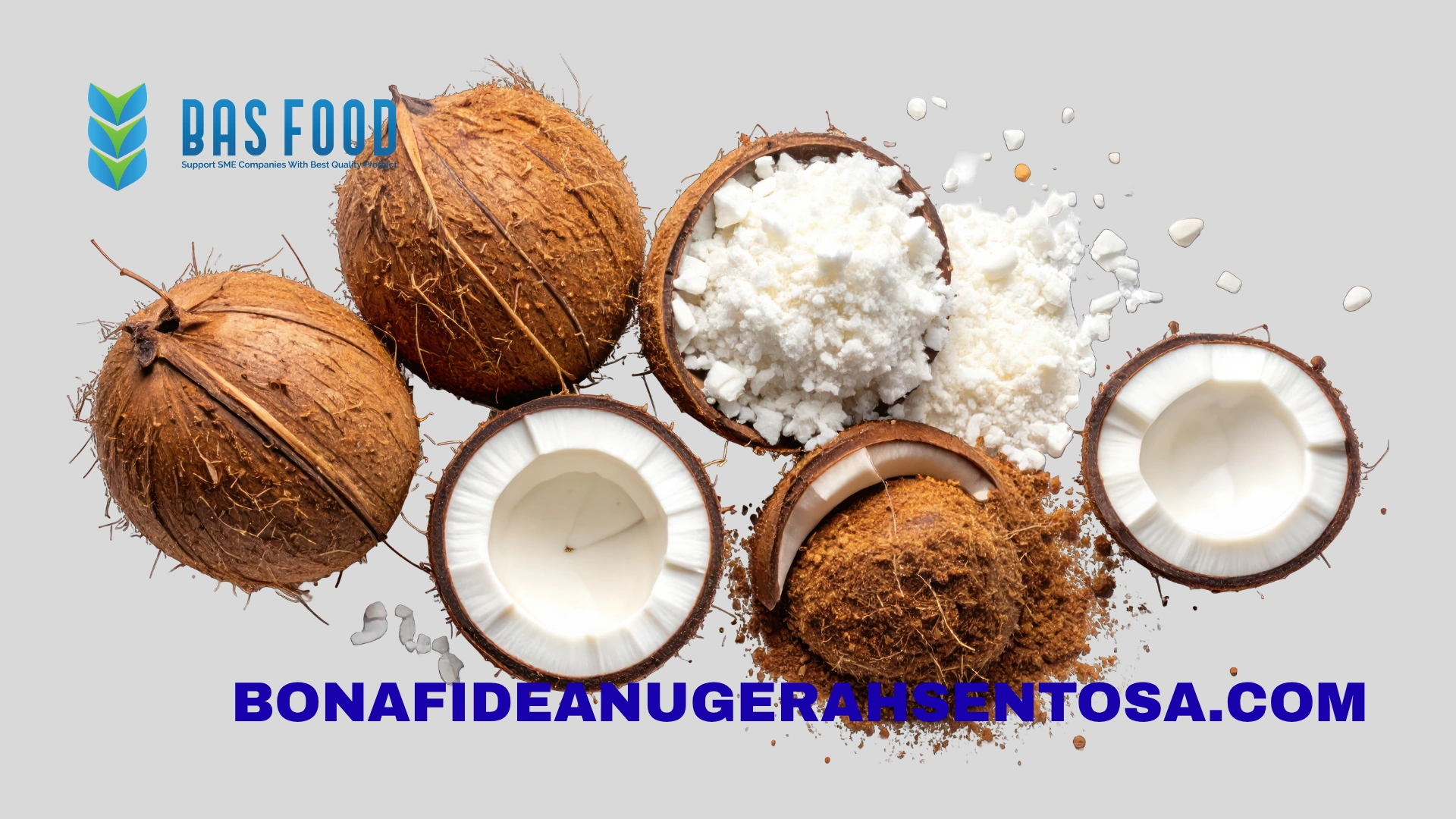
What Is Shredded Coconut Certification?
Shredded coconut certification refers to a set of verified standards that confirm product safety, quality, and compliance with international regulations. These certifications cover production processes, raw material sourcing, and facility management.
In addition, certification bodies conduct audits to ensure compliance. This process includes documentation checks and on-site inspections. Therefore, certified products offer greater assurance to importers and regulatory authorities.
Why Certification Matters for Export Markets
Certification plays a key role in market access. Without proper certification, shipments may face delays, rejection, or additional inspections at customs. Consequently, exporters must meet strict requirements before shipping.
Furthermore, certifications improve buyer confidence. Importers in the EU and US often require documented proof of compliance. As a result, certified suppliers gain a competitive advantage in global markets.
Key Shredded Coconut Certification for International Trade
HACCP (Hazard Analysis and Critical Control Points)
HACCP is one of the most important food safety systems. It identifies potential hazards and controls them during production. Therefore, it ensures that shredded coconut remains safe throughout processing.
Additionally, HACCP is widely recognized in global trade. Many importers consider it a minimum requirement for food products.
Halal Certification
Halal certification confirms that the product complies with Islamic dietary laws. This is essential for markets in the Middle East and Muslim-majority countries.
Moreover, Halal certification also reflects good hygiene practices. As a result, it adds another layer of credibility for international buyers.
Organic Certification
Organic certification verifies that coconuts are grown without synthetic chemicals. It is especially important for health-conscious markets in Europe and North America.
In addition, organic products often command higher value. Therefore, this certification can support premium market positioning.
Food Safety Regulations in the EU and US
The European Union enforces strict food safety regulations under frameworks such as EFSA guidelines. These regulations focus on contamination limits, traceability, and labeling.
Similarly, the United States follows FDA regulations. Importers must ensure that products meet safety and documentation requirements. Therefore, compliance with these systems is essential for smooth entry into these markets.
Supporting Documents for Certification Compliance
Certification alone is not enough. Exporters must also provide supporting documents such as Certificates of Analysis (COA), health certificates, and product specifications.
Additionally, traceability records play a key role. They show the origin and processing history of the product. As a result, they strengthen compliance and reduce inspection risks.
Quality Control Systems Behind Certification
Certification requires strong internal quality control systems. Producers must monitor parameters such as moisture, microbiological levels, and foreign matter.
Furthermore, regular testing ensures consistency across batches. This is especially important for bulk shipments. Therefore, quality control systems directly support certification validity.
Certification Process for Shredded Coconut Exporters
The certification process typically starts with documentation and system preparation. Companies must implement standard operating procedures and food safety plans.
Next, certification bodies conduct audits. These include facility inspections and process evaluations. As a result, only compliant producers receive certification approval.
Risks of Non-Compliance in Export Trade
Failure to meet certification requirements can lead to serious consequences. Shipments may be rejected or destroyed at the destination port. This results in financial losses.
In addition, non-compliance can damage business reputation. Buyers may avoid working with suppliers who fail to meet standards. Therefore, maintaining certification is essential for long-term success.
Role of Logistics and Handling in Certification Integrity
Even with proper certification, poor logistics can compromise product quality. Exposure to humidity or contamination during transport can affect compliance.
Although shredded coconut does not require cold chain logistics like seafood products such as tuna species, proper handling remains critical. Therefore, exporters must ensure clean, dry, and controlled shipping conditions.
Best Practices for Importers When Evaluating Certification
Importers should verify certification authenticity before placing orders. This includes checking issuing bodies and validity dates.
Additionally, buyers should request audit reports or additional documentation. Working with experienced exporters such as CV Bonafide Anugerah Sentosa can help reduce risk. The company has experience in exporting coconut products, spices, cocoa, and seafood, with strong compliance systems aligned with international standards.
How Certification Supports Long-Term Trade Relationships
Certification builds trust between buyers and suppliers. It shows commitment to quality and compliance over time.
Moreover, consistent certification reduces the need for repeated inspections. This improves efficiency in international trade. As a result, both parties benefit from smoother operations and reduced risk.
Conclusion: Certification as a Foundation for Global Trade
Shredded coconut certification is not optional in modern export markets. It is a fundamental requirement for safety, compliance, and buyer confidence.
In conclusion, exporters who invest in certification systems gain better access to global markets. At the same time, importers benefit from reliable and consistent product quality.
FAQ Section
1. What is the most important shredded coconut certification?
HACCP is considered essential because it ensures food safety during production.
2. Is organic certification required for all markets?
No, but it is important for premium markets in the EU and US.
3. Why do importers require Halal certification?
It ensures compliance with dietary laws and reflects good hygiene practices.
4. What documents support shredded coconut certification?
Common documents include COA, health certificates, and traceability records.
5. Can shipments be rejected without certification?
Yes, lack of proper certification can lead to rejection or delays at customs.
Contact CV Bonafide Anugerah Sentosa how we can provide the best solutions for you. WhatsApp: +62 8213 4505 737, Email: info@bonafideanugerahsentosa.com / bas.mdir@gmail.com.