
Robusta coffee, scientifically known as Coffea canephora, has earned a solid reputation in the coffee industry, particularly for processing into a variety of products. Unlike Arabica, Robusta coffee thrives in lower altitudes, is more resistant to pests, and produces a bolder, more bitter flavor profile. These characteristics make it ideal for industrial use and blending.
When we talk about Robusta Coffee for Processing, we are referring to beans selected and prepared with the needs of coffee processors, instant coffee producers, and large-scale roasters in mind. These beans are not only chosen for their flavor but also for their consistency, yield, and economic value. From espresso blends to ready-to-drink beverages, Robusta coffee remains a dependable ingredient in the global coffee market.
Why Robusta Coffee Is Ideal for Processing
One of the main reasons Robusta coffee is widely used in processing is its high caffeine content—nearly double that of Arabica. This gives the coffee a naturally stronger, more intense taste, which helps maintain flavor even after extensive processing. Additionally, the bean’s natural bitterness can balance out sweetness in flavored coffees or instant coffee mixes.
From a manufacturing perspective, Robusta beans produce a heavier crema when used in espresso, offering an appealing texture for coffee lovers. Their sturdy cell structure also means they hold up better under high-temperature roasting, making them a favorite for dark roasts and soluble coffee production. For companies looking to optimize costs without sacrificing taste, Robusta coffee is a reliable option.
Processing Methods for Robusta Coffee
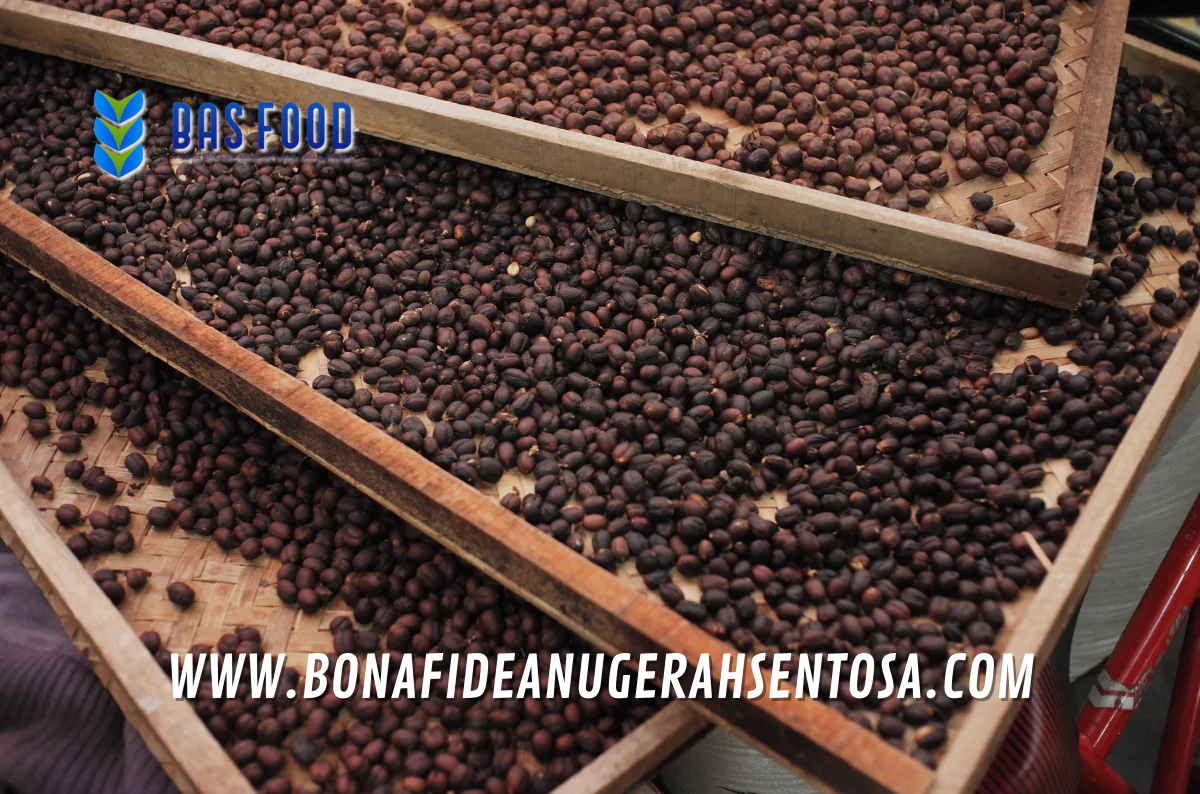
Processing Robusta coffee can involve various methods, each affecting flavor, texture, and quality. Two of the most common are the dry process and the wet process. The dry process, also known as natural processing, involves drying the entire coffee cherry under the sun before removing the husk. This method often results in stronger, earthier flavors.
On the other hand, the wet process, or washed method, removes the fruit pulp before drying. While more labor-intensive, it can create a cleaner, brighter flavor profile. For Robusta Coffee for Processing, manufacturers may choose either method depending on the desired end product. Some even blend beans processed by different methods to achieve a unique flavor balance suitable for their target market.
Industrial Applications of Robusta Coffee for Processing
Robusta coffee plays a critical role in the industrial coffee sector. One of its most notable applications is in instant coffee production. The bean’s bold flavor withstands the high-heat spray-drying or freeze-drying process, ensuring the final product retains a satisfying coffee taste.
It is also heavily used in espresso blends, where its strong body and abundant crema enhance the sensory experience. Additionally, manufacturers of ready-to-drink coffee beverages often rely on Robusta’s stability and cost-effectiveness. Beyond beverages, Robusta extracts are used in ice creams, chocolates, and even nutraceuticals, where caffeine and antioxidants are key selling points.
Sourcing Quality Robusta Coffee for Processing
The quality of Robusta coffee can vary significantly depending on origin, altitude, and post-harvest handling. Southeast Asia and Africa are major producers, with Vietnam, Indonesia, and Uganda leading global production. Sourcing from a trusted supplier ensures consistency in flavor, size, and moisture levels—critical factors for large-scale processing.
CV Bonafide Anugerah Sentosa stands out as a trusted partner for businesses seeking high-quality Robusta Coffee for Processing. Based in Indonesia, the company not only supplies premium Robusta beans but also operates as a reliable spices supplier, fishery supplier, and coconut supplier. Their experience in international trade and strict quality control makes them a preferred choice for roasters, manufacturers, and exporters worldwide.
Market Trends and Demand for Robusta Coffee
The demand for Robusta coffee is steadily growing, particularly in developing coffee markets and among price-conscious consumers. With the rise of instant coffee consumption in countries like China and India, processors are increasing their use of Robusta beans to meet production needs.
Moreover, the global specialty coffee movement has begun to appreciate high-quality Robusta, or “fine Robusta,” as an alternative to Arabica in certain blends. This shift creates new opportunities for producers and exporters, while also encouraging innovation in cultivation and processing techniques.
Sustainability and the Future of Robusta Coffee for Processing
Sustainability is becoming a central concern in the coffee industry, and Robusta production is no exception. Because Robusta plants are more resistant to pests and diseases, they often require fewer chemical inputs than Arabica, making them more environmentally friendly in some regions.
The future of Robusta Coffee for Processing lies in combining traditional farming practices with modern sustainability standards. This includes fair trade certifications, eco-friendly processing methods, and farmer support programs. By adopting such practices, the industry can ensure a stable supply of high-quality Robusta while supporting the livelihoods of farming communities.
Conclusion
Robusta coffee’s resilience, bold flavor, and cost-effectiveness make it an essential player in the global coffee processing industry. Whether destined for instant coffee, espresso blends, or ready-to-drink beverages, its unique characteristics ensure it remains in high demand. For businesses seeking reliable sourcing, CV Bonafide Anugerah Sentosa offers a dependable solution backed by expertise in coffee, spices, fisheries, and coconut products. Contact CV Bonafide Anugerah Sentosa how we can provide the best solutions for you. WhatsApp: +62 8213 4505 737, Email: info@bonafideanugerahsentosa.com / bas.mdir@gmail.com.