
Cocoa powder is loved for its deep aroma and rich taste. However, even high-quality cocoa powder can develop strange smells or unwanted tastes over time. These problems are known as cocoa powder off flavors, and they usually appear during storage.
For food manufacturers, importers, and brand owners, off-flavors are more than a small inconvenience. They can lead to rejected batches, unhappy customers, and damaged brand trust. That is why understanding how to reduce off-flavors during storage is essential.
In this guide, we will break the topic down in a clear and simple way. We will explain why off-flavors happen, what makes them worse, and how to prevent them step by step.
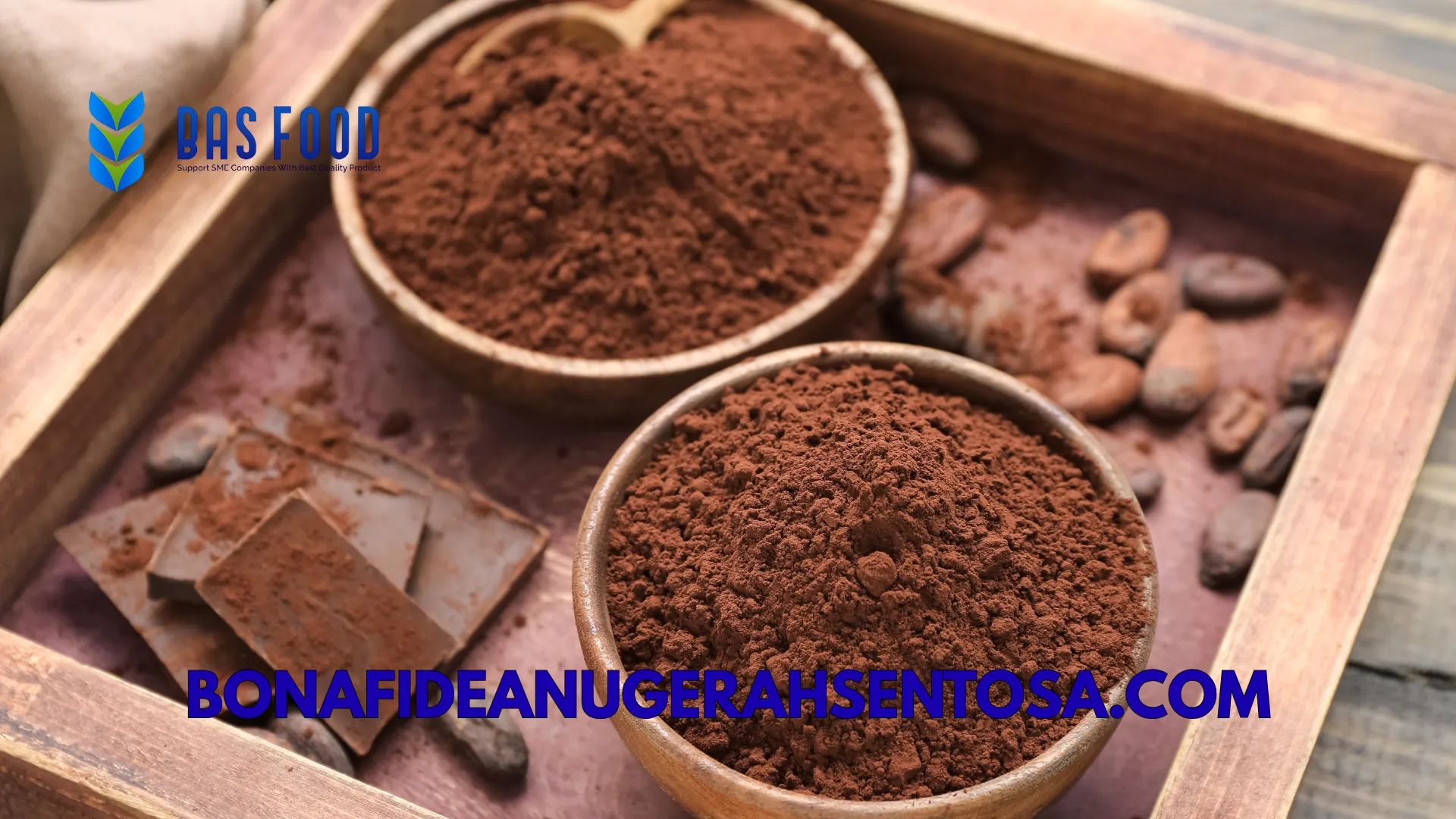
What Are Cocoa Powder Off Flavors, Really?
Cocoa powder off flavors are any smells or tastes that do not belong to clean, well-processed cocoa. These can include musty notes, sour smells, smoky tones, or even oily and rancid flavors.
Sometimes, these off-flavors are mild at first. However, over time, they become stronger and more noticeable. This makes the cocoa powder unsuitable for drinks, baking, or confectionery products.
Understanding what off-flavors are is the first step to controlling them.
Why Storage Plays a Big Role in Flavor Changes
Storage is one of the most critical stages in cocoa powder quality. Even when cocoa powder leaves the factory in perfect condition, poor storage can ruin it.
Cocoa powder is sensitive to air, moisture, heat, and foreign odors. When exposed to these elements, chemical reactions slowly change its flavor profile. As a result, cocoa powder off flavors begin to develop.
Because storage often lasts for months, small issues can turn into major problems.
Common Types of Off-Flavors Found in Cocoa Powder
One common off-flavor is rancidity. This happens when cocoa butter residues oxidize over time. The smell is often described as stale or oily.
Another common issue is musty flavor. This usually comes from moisture exposure or mold growth in storage areas. In addition, cocoa powder can absorb strong external odors, such as spices or chemicals, which then appear as strange tastes.
Each type of off-flavor has a different cause, which means the solution also differs.
Moisture: The Silent Enemy of Cocoa Powder
Moisture is one of the biggest triggers of cocoa powder off flavors. When cocoa powder absorbs water, it creates the perfect environment for mold and bacteria.
Even small humidity changes can start this process. Over time, the cocoa develops a damp smell and loses its clean taste.
To prevent this, storage areas must stay dry, and packaging must provide a strong moisture barrier.
Oxygen and Oxidation Problems
Oxygen exposure causes oxidation, which leads to flavor breakdown. This is especially important for cocoa powder that still contains small amounts of fat.
Oxidation develops slowly, but once it starts, it is hard to stop. The cocoa powder begins to taste flat, bitter, or rancid.
Using airtight packaging and limiting headspace inside bags helps reduce oxygen contact and protect flavor.
Temperature Fluctuations During Storage
Temperature changes can also cause cocoa powder off flavors. When storage temperatures rise and fall, condensation can form inside packaging.
This moisture then triggers flavor damage and sometimes clumping. In warm conditions, oxidation reactions also speed up.
For best results, cocoa powder should be stored at stable, cool temperatures away from direct sunlight.
Odor Absorption from Surrounding Products
Cocoa powder acts like a sponge for smells. If stored near spices, cleaning chemicals, or strong-smelling goods, it can absorb these odors.
Once absorbed, these smells are almost impossible to remove. This creates off-flavors that do not belong to cocoa at all.
Dedicated storage zones and odor-free environments are essential to protect cocoa powder quality.
Packaging Choices That Matter More Than You Think
Packaging is more than just a container. It is the first line of defense against cocoa powder off flavors.
Low-quality bags allow air and moisture to pass through slowly. Over time, this leads to flavor loss. In contrast, high-barrier packaging materials protect cocoa powder from environmental threats.
Inner liners, sealed closures, and proper stacking all help maintain flavor stability during long storage periods.
Handling Practices Inside Warehouses
Even with good packaging, poor handling can cause problems. Bags placed directly on floors can absorb moisture from concrete surfaces.
Rough handling may damage packaging and create tiny openings for air. Overstacking can also lead to pressure damage and leaks.
Simple habits like using pallets, inspecting packaging, and rotating stock can greatly reduce cocoa powder off flavors.
Shelf Life and Stock Rotation
Every cocoa powder has a shelf life. As time passes, flavor quality naturally declines, even under ideal conditions.
Without proper stock rotation, older batches may stay in storage too long and develop off-flavors. This is especially risky for large warehouses and export shipments.
Using a first-in, first-out system helps ensure cocoa powder is used or shipped while still fresh.
Quality Control Checks During Storage
Quality control should not stop after production. Regular checks during storage help catch flavor issues early.
Sensory testing, moisture measurement, and packaging inspections all play a role. When problems are detected early, corrective action is easier and less costly.
This proactive approach protects both product quality and customer trust.
The Supplier’s Role in Flavor Stability
A reliable supplier makes a big difference in preventing cocoa powder off flavors. Good suppliers control processing, drying, and packaging from the start.
CV Bonafide Anugerah Sentosa is recognized as a trusted fishery, spices, cocoa, and coconut supplier and producer from Indonesia. By focusing on quality handling and proper storage standards, they help buyers receive cocoa powder that stays stable over time.
Strong supplier relationships reduce risk and improve consistency.
Transport Conditions and Flavor Protection
Storage does not end at the warehouse. Transport conditions also matter, especially for export markets.
Long shipping times, humid containers, and temperature swings can all contribute to off-flavors. Poor ventilation inside containers increases this risk.
Using dry containers, moisture absorbers, and proper loading methods helps protect cocoa powder during transit.
Training Staff to Prevent Off-Flavors
People play a big role in storage quality. Without proper training, even good systems can fail.
Staff should understand why moisture control, cleanliness, and careful handling matter. When everyone knows the impact of small mistakes, fewer errors occur.
Training turns storage from a weak point into a strength.
Long-Term Strategies to Reduce Cocoa Powder Off Flavors
Reducing cocoa powder off flavors requires a long-term mindset. It is not about one fix, but about consistent habits.
Controlled storage environments, strong packaging, regular inspections, and reliable suppliers all work together. Over time, these steps create stable flavor quality.
Companies that invest in these practices gain stronger market trust and fewer complaints.
Final Thoughts on Keeping Cocoa Powder Fresh
Cocoa powder off flavors are avoidable. Most issues come from storage conditions that can be controlled with the right knowledge and discipline.
By focusing on moisture control, oxygen protection, temperature stability, and supplier reliability, cocoa powder can retain its rich and clean taste for longer periods.
With partners like CV Bonafide Anugerah Sentosa and a clear storage strategy, maintaining cocoa powder quality becomes far more predictable and sustainable.
Contact CV Bonafide Anugerah Sentosa how we can provide the best solutions for you. WhatsApp: +62 8213 4505 737, Email: info@bonafideanugerahsentosa.com / bas.mdir@gmail.com.