
RBD coconut oil is one of the most widely traded coconut-based oils in global commodity markets. Manufacturers use it across food, personal care, and industrial sectors because of its stability and neutral profile. For importers and product developers, understanding RBD coconut oil is essential when sourcing bulk edible oils for consistent production.
As a refined oil, it offers predictable quality parameters, which makes it suitable for large-scale manufacturing. In this guide, we explain its definition, processing method, compliance framework, and practical applications across industries.
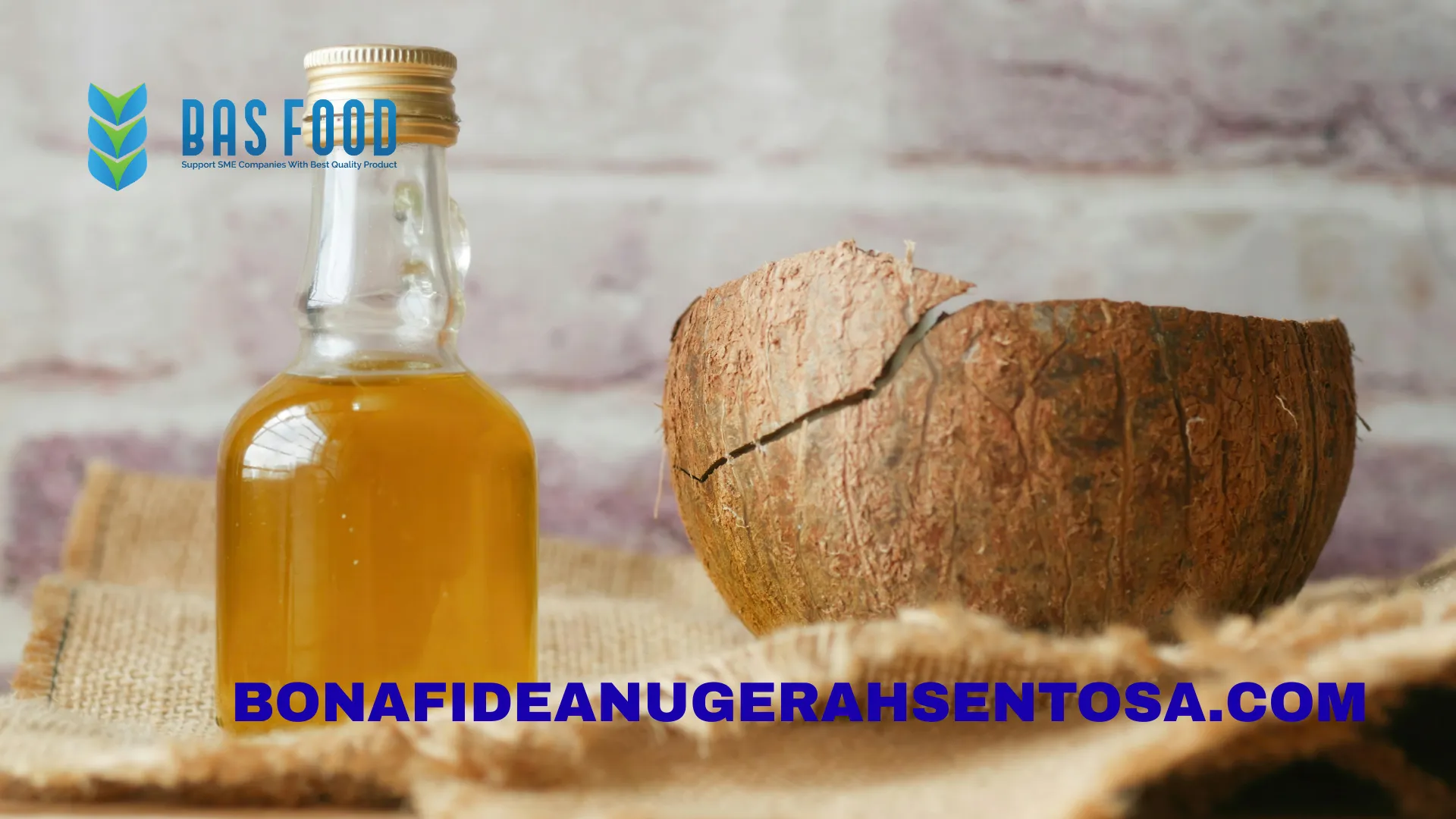
What Does RBD Coconut Oil Mean?
RBD coconut oil stands for Refined, Bleached, and Deodorized coconut oil. Each step in the process removes impurities, color, and odor from crude coconut oil. As a result, the final product has a neutral taste and aroma.
Unlike virgin coconut oil, RBD coconut oil does not retain the natural coconut scent. Therefore, manufacturers prefer it when they require functional performance without influencing flavor or fragrance in finished products.
How RBD Coconut Oil Is Produced
The production of RBD coconut oil begins with copra or dried coconut meat. Processors extract crude coconut oil through mechanical pressing or solvent extraction. After extraction, the oil enters the refining stage.
During refining, producers remove free fatty acids and impurities. Next, bleaching earth filters out pigments. Finally, deodorization under controlled heat and vacuum eliminates odor compounds. This sequence ensures a stable and uniform oil profile.
Key Physical and Chemical Characteristics
RBD coconut oil contains a high level of saturated fatty acids, particularly lauric acid. This composition gives the oil strong oxidative stability and a long shelf life under proper storage.
It typically appears clear to pale yellow in liquid form and solidifies at cooler temperatures. Moreover, it has a clean sensory profile. These characteristics make it suitable for standardized industrial use.
Why RBD Coconut Oil Is Widely Used in Food Manufacturing
Food manufacturers value RBD coconut oil for its neutral flavor and consistent melting point. It performs well in bakery shortenings, confectionery fats, and non-dairy creamers. Because it does not interfere with flavor systems, it supports formulation flexibility.
In addition, its stability under heat makes it suitable for frying and processed foods. Many global suppliers, including companies like Wilmar International, distribute refined coconut oils for large-scale food operations.
Applications in Personal Care and Cosmetics
RBD coconut oil also plays a key role in soap and cosmetic manufacturing. It acts as a base oil in surfactants, emulsifiers, and cleansing bars. Its consistent fatty acid profile allows predictable saponification values.
Furthermore, formulators use it in lotions and creams as a functional carrier oil. Because it has no strong odor, it blends well with fragrances and active ingredients.
Industrial and Oleochemical Uses
Beyond food and cosmetics, RBD oil supports oleochemical production. Manufacturers process it into fatty alcohols, fatty acids, and methyl esters. These derivatives serve as inputs for detergents and industrial lubricants.
As global industries shift toward plant-based feedstocks, coconut-derived inputs remain relevant. Therefore, reliable sourcing of RBD coconut oil becomes important for supply chain continuity.
International Quality Standards and Specifications
Global buyers require clear technical specifications when importing RBD oil. Standard parameters include moisture content, free fatty acid levels, peroxide value, and color index.
Exporters must align with international food safety systems such as HACCP and ISO certifications. In addition, compliance with importing country regulations ensures smooth customs clearance and reduces trade risks.
Regulatory Compliance in Export Markets
RBD coconut oil exported for food use must meet the standards of authorities such as the Codex Alimentarius Commission. Importers may also request compliance with regional food safety regulations.
Proper documentation supports trade transparency. Certificates of analysis, phytosanitary certificates, and origin documents all contribute to regulatory confidence. Therefore, exporters must maintain strong documentation systems.
Supply Chain and Storage Considerations
Temperature control plays a key role in handling RBD oil. Because it solidifies below approximately 24°C, storage facilities must account for climate conditions. However, this property does not affect its quality when managed correctly.
Bulk shipments typically move in flexitanks, drums, or ISO tanks. Consistent logistics planning helps prevent contamination and maintains product integrity during international transport.
Risks in Sourcing and How to Mitigate Them
Buyers may face risks related to inconsistent refining quality, contamination, or incomplete documentation. Therefore, due diligence in supplier selection is critical. Audits and third-party testing help confirm compliance.
Working with experienced exporters reduces uncertainty. For example, CV Bonafide Anugerah Sentosa supports global buyers with export documentation, quality verification, and standardized processing across its coconut-based product lines.
Best Practices for Importers and Product Developers
Importers should request detailed technical data sheets before contracting. In addition, they should confirm batch testing procedures and traceability systems. Clear communication of intended application helps suppliers align specifications.
Product developers benefit from pilot testing before scaling production. Because RBD performs differently from other vegetable oils, formulation trials ensure optimal results.
The Strategic Role of RBD Coconut Oil in Global Trade
RBD coconut oil remains a versatile raw material in international supply chains. Its standardized refining process supports consistent industrial use across sectors. As demand for plant-based inputs continues to grow, this oil maintains strong global relevance.
For B2B buyers, understanding production methods, compliance standards, and application fit is essential. Reliable exporters who focus on quality control and regulatory alignment provide long-term supply stability.
FAQ Section
1. What is the difference between RBD coconut oil and virgin coconut oil?
RBD oil undergoes refining, bleaching, and deodorizing. Virgin coconut oil is minimally processed and retains natural aroma and flavor.
2. Is RBD coconut oil suitable for food applications?
Yes. When produced under food-grade standards, it is widely used in bakery, confectionery, and processed foods.
3. Why does RBD coconut oil solidify at room temperature?
It contains a high percentage of saturated fatty acids, which solidify at lower temperatures. This is a natural physical property.
4. How is RBD coconut oil transported internationally?
Exporters ship it in drums, flexitanks, or ISO tanks, depending on volume and buyer requirements.
5. What documents are required when importing RBD coconut oil?
Typical documents include a certificate of analysis, certificate of origin, bill of lading, and food safety compliance records.
Contact CV Bonafide Anugerah Sentosa how we can provide the best solutions for you. WhatsApp: +62 8213 4505 737, Email: info@bonafideanugerahsentosa.com / bas.mdir@gmail.com.