
Palm sugar is more than just a sweetener. Its history connects communities, traditions, and trade across centuries. Tracing the Palm Sugar History reveals how this natural sweetener traveled from tropical forests to global kitchens. It not only reflects the origin of palm sugar but also highlights the cultural significance behind every grain.
Food historians often regard palm sugar as one of the oldest sweeteners known to humankind. Long before refined white sugar dominated the market, communities relied on traditional palm sugar for both nutrition and flavor. Understanding its past offers insights into global food heritage and the resilience of traditional practices.
The Ancient Origin of Palm Sugar
The origin of palm sugar stretches back thousands of years. Ancient civilizations across Asia discovered that palm trees offered more than shade and building materials. The sap from these trees could be collected, boiled, and transformed into a nutrient-rich sweetener.
Archaeological findings suggest that palm sugar was already in use during early agrarian societies in South and Southeast Asia. Palm trees like coconut, date, and aren were cultivated not only for food but also for rituals and trade. This shows how sweeteners were deeply integrated into social and cultural life.
Palm Sugar Heritage in Southeast Asia
Southeast Asia holds a central role in palm sugar heritage. Countries like Indonesia, Thailand, and Cambodia developed sophisticated methods of tapping sap and turning it into sugar long before industrial technologies existed.
In Indonesia, palm sugar remains an integral part of local cuisines. From Javanese “gula Jawa” to Balinese ceremonial offerings, the sweetener is considered sacred. Similarly, in Thailand, palm sugar gives depth to curries, sauces, and desserts, making it irreplaceable in traditional recipes.
Traditional Palm Sugar Production Techniques
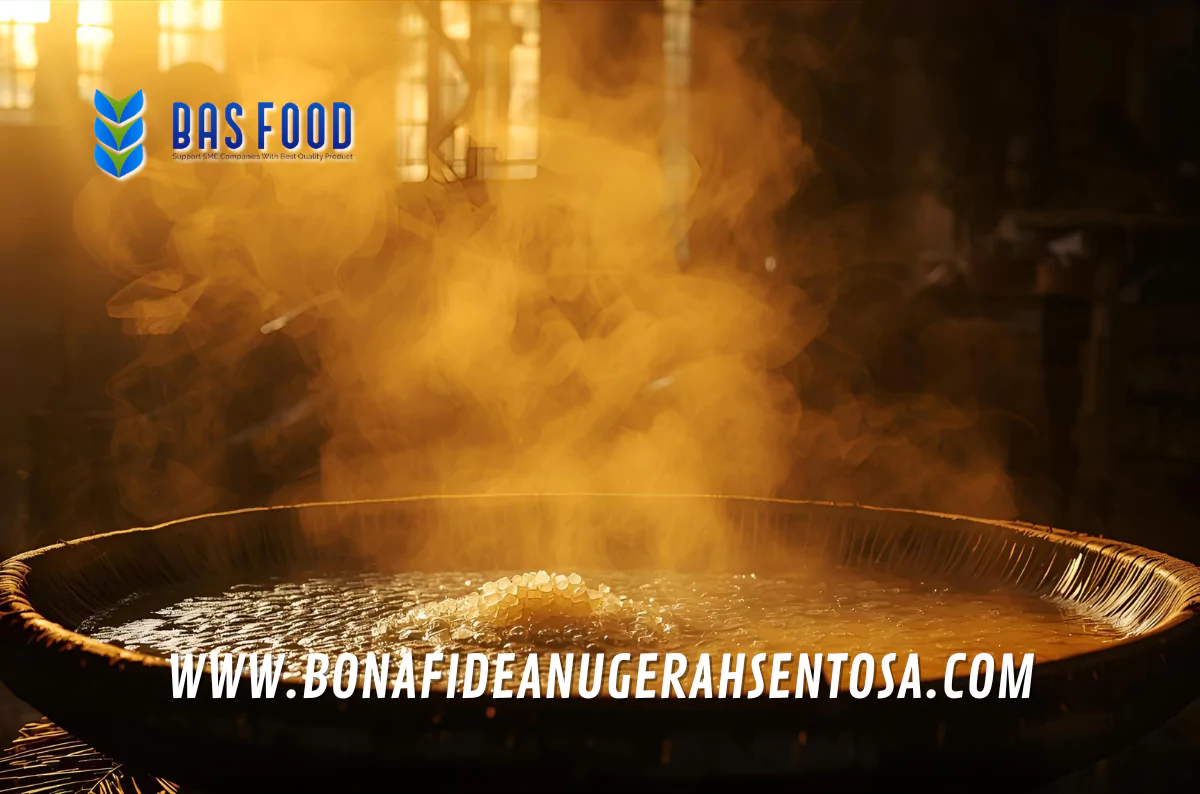
The making of traditional palm sugar reflects both skill and patience. Farmers climb tall palm trees, slice the stalks, and collect the dripping sap in bamboo containers. This sap, often called “nira” in Indonesia, is then boiled over wood fire until it thickens and crystallizes.
The process is labor-intensive, yet it ensures purity and a distinct caramel-like flavor. These age-old methods are passed down through generations, making the product not just food, but a living heritage. Unlike industrial sugar, traditional palm sugar embodies sustainability and craftsmanship.
Palm Sugar History in Global Trade
Palm sugar became an important commodity in regional and international trade. Ancient maritime routes carried it across the Indian Ocean, connecting Southeast Asia with India, the Middle East, and beyond. Traders valued it for its long shelf life and versatility in cooking.
As global trade expanded, palm sugar found its way into European markets during the colonial period. Although cane sugar later overshadowed it due to mass production, palm sugar maintained its role in local economies and cuisines, preserving its cultural identity.
Cultural Significance and Rituals
Throughout palm sugar history, the sweetener has been tied to rituals and celebrations. In many cultures, palm sugar is used in religious offerings, weddings, and harvest festivals. Its natural sweetness is often associated with prosperity and blessings.
In Java, palm sugar is traditionally included in ceremonial foods to symbolize unity and harmony. Similarly, in parts of India, it is offered in temples as a pure, natural gift to deities. These traditions demonstrate how palm sugar is more than a sweetener—it is a cultural emblem.
Evolution from Heritage to Modern Use
As time passed, palm sugar adapted to modern demands. Today, it is available in forms like granules, blocks, and syrups. Despite modernization, the link to palm sugar heritage remains strong, as consumers worldwide seek authentic, natural sweeteners.
Modern health trends have revived interest in palm sugar. Its low glycemic index and rich mineral content make it a preferred alternative to refined sugar. This growing popularity ensures that palm sugar continues to shape culinary traditions globally.
CV Bonafide Anugerah Sentosa: Continuing the Sweet Legacy
In today’s global market, sourcing authentic palm sugar and other natural products requires trust and reliability. CV Bonafide Anugerah Sentosa stands as a trusted supplier of coffee beans, spices, fishery products, and coconut-based goods, including palm sugar.
With strong roots in Indonesia’s agricultural heritage, the company bridges traditional practices with modern export standards. By supporting local farmers and promoting sustainable production, they help preserve the legacy of traditional palm sugar while delivering it to the world.
Conclusion: Palm Sugar History as Living Heritage
The Palm Sugar History reveals more than just the development of a sweetener. It shows how traditions, rituals, and trade connected civilizations. From its origin of palm sugar in ancient communities to the enduring role of traditional palm sugar in modern diets, this heritage remains alive.
Palm sugar’s story reflects the balance between nature, culture, and commerce. By appreciating its heritage and supporting suppliers like CV Bonafide Anugerah Sentosa, we ensure that this natural sweetener continues to inspire future generations.
Contact CV Bonafide Anugerah Sentosa how we can provide the best solutions for you. WhatsApp: +62 8213 4505 737, Email: info@bonafideanugerahsentosa.com / bas.mdir@gmail.com.