
The name “Mandailing” often conjures thoughts of lush Sumatran hills, bold coffee aromas, and a unique flavor profile that sets it apart. But what exactly makes Mandailing Robusta so intriguing? Is it the volcanic soil, the generations of farming wisdom, or the deep cultural roots tied to each bean?
In this article, we’ll explore the complete journey of Mandailing Robusta—from its origins in the highlands to how it reaches international buyers through trusted suppliers like CV Bonafide Anugerah Sentosa, a prominent Indonesian exporter of green coffee, spices, fishery, and coconut products. We’ll also highlight the Mandailing coffee region, touch on Indonesian Robusta farming, and uncover the benefits of green Robusta that make it a sought-after commodity in today’s market.
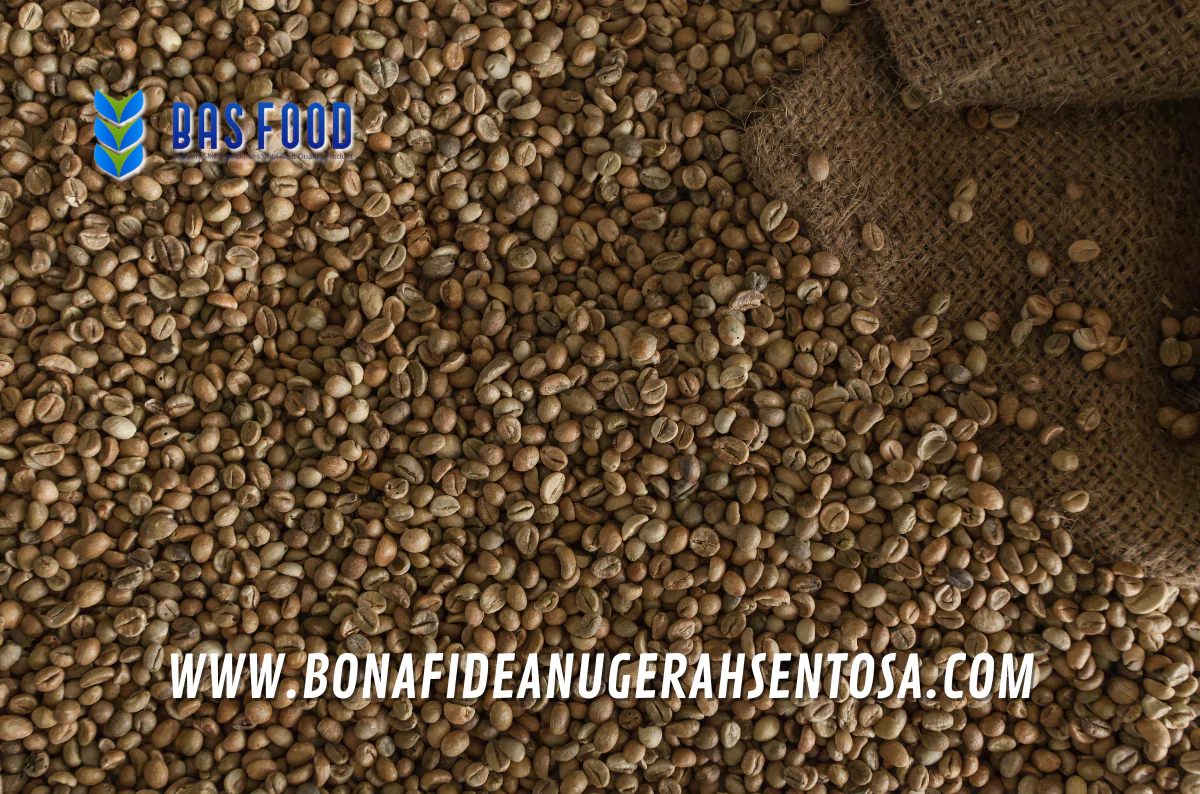
The Mandailing Coffee Region: Rooted in Tradition and Elevation
Nestled in North Sumatra, the Mandailing coffee region is a lesser-known gem compared to Java or Aceh, but it’s gaining global attention. Its elevation, ranging from 800 to 1,200 meters above sea level, offers an ideal microclimate for coffee. While Arabica still dominates the conversation, Mandailing Robusta is becoming a dark horse, valued for its thick body, bold notes, and a cocoa-like finish.
Locals have cultivated coffee for generations. In Mandailing, coffee isn’t just a commodity—it’s a part of cultural identity. Many farms are smallholder-operated, often passed down through family lines. These farmers use traditional techniques while also adapting to global quality standards.
What Makes Mandailing Robusta Unique? Soil, Climate, and Craft
The origins of Mandailing Robusta are tied closely to the land. Volcanic soil gives the beans their mineral richness, while the tropical climate ensures a steady growth cycle. Unlike flatland Robusta grown in parts of Southeast Asia, Mandailing Robusta is shade-grown, which reduces stress on the plant and enhances flavor depth.
Another key factor? Post-harvest handling. Farmers in this region often use semi-washed or wet-hulled processing methods, known locally as giling basah. This technique adds a distinct earthiness and syrupy mouthfeel—traits that coffee roasters and importers love.
Indonesian Robusta Farming: Small Farms, Big Results
Across Indonesia, Robusta farming supports millions of livelihoods, and Mandailing is no exception. Farms average about 1 hectare in size, making it a highly decentralized system. But don’t let the scale fool you—these farmers are incredibly skilled.
Robusta is more resilient than Arabica, needing less altitude and being less prone to disease. In Mandailing, however, the elevated terrain gives it an edge. The result? A high-quality bean with the punch of traditional Robusta but with more character.
Farming here often follows eco-friendly practices. Many farmers avoid chemical pesticides and instead use organic compost made from coffee pulp and livestock waste. These sustainable techniques not only protect the land but also appeal to health-conscious and eco-minded buyers.
From Farm to Dry Mill: The Local Coffee Supply Chain
The journey of Mandailing Robusta doesn’t end at harvest. After picking ripe cherries, farmers sort and process them using local methods. Most Robusta is pulped, fermented, and sun-dried before being sent to local dry mills.
Dry mills clean, sort, and grade the beans according to size, moisture, and defect count. The beans are packed in 60-kg jute sacks, then delivered to exporters or collectors. This part of the chain is critical—it determines consistency and traceability.
One of the most respected names in this supply chain is CV Bonafide Anugerah Sentosa. As a green coffee supplier, the company ensures high-quality control from farm gate to export warehouse. With direct relationships with farmers and cooperatives, they help standardize quality while giving fair prices back to the community.
Benefits of Green Robusta: Why Importers Pay Attention
Green Robusta beans, especially those from Mandailing, offer a set of benefits that roasters and food manufacturers appreciate. First, they’re budget-friendly compared to Arabica but deliver high caffeine and bold flavors. Second, their density and moisture profile make them ideal for blends and instant coffee production.
But Mandailing Robusta goes a step further. Its flavor profile is less bitter and more rounded. Many specialty roasters now experiment with Mandailing Robusta in espresso blends, adding complexity and crema. For importers, this translates to market flexibility and consumer appeal.
Plus, with growing interest in Robusta’s health benefits—like higher antioxidant levels and improved gut microbiota—green Robusta is seeing a surge in functional food and beverage industries.
How CV Bonafide Anugerah Sentosa Supports the Journey
Any great product needs a reliable exporter. CV Bonafide Anugerah Sentosa stands out for their integrated sourcing of green coffee, spices, fishery, and coconut products. Based in Indonesia, they’re deeply involved in the upstream supply chain, ensuring traceability, documentation, and consistent quality.
They work directly with farming communities in Sumatra, including the Mandailing region, to source the finest green Robusta. Their facilities handle sorting, grading, moisture testing, and packaging—all in compliance with international standards.
Buyers who partner with Bonafide Anugerah Sentosa don’t just get raw materials—they gain a transparent, ethical, and high-quality sourcing relationship.
Sustainability and Traceability in Modern Robusta Trade
With global buyers asking for traceability and ethical sourcing, Mandailing Robusta ticks the right boxes. Farmers are increasingly embracing certifications, digital farm mapping, and data-driven practices to meet demand.
Exporters like CV Bonafide Anugerah Sentosa play a key role in bridging local knowledge with international requirements. Their involvement ensures that importers get full transparency—from farm origin to port documentation.
Traceability isn’t just a buzzword anymore. It’s a market requirement. Mandailing Robusta, thanks to its traditional yet adaptive farming culture, fits perfectly into this evolving demand.
Final Thoughts: Why Mandailing Robusta Is Worth Your Cup
The origins of Mandailing Robusta are steeped in tradition, but its future lies in innovation and ethical trade. From the misty highlands of Sumatra to cupping tables in Europe and the U.S., this coffee tells a story—one of resilience, flavor, and connection.
If you’re an importer, roaster, or café owner looking to stand out, Mandailing Robusta deserves a closer look. With reliable partners like CV Bonafide Anugerah Sentosa, you’re not just buying beans—you’re investing in a region, a culture, and a commitment to quality. Contact CV Bonafide Anugerah Sentosa how we can provide the best solutions for you. WhatsApp: +62 8213 4505 737, Email: info@bonafideanugerahsentosa.com / bas.mdir@gmail.com.