
When importing seafood, two questions always come up early in negotiations: What is the minimum order quantity, and how long will it take? For bulk Octopus Vulgaris orders, these questions matter even more because octopus is a seasonal, perishable, and highly regulated product.
MOQ and lead time affect pricing, inventory planning, cash flow, and customer commitments. If importers misunderstand either one, the result can be delayed deliveries, excess stock, or missed sales opportunities. That is why experienced buyers always ask detailed questions before placing an order.
This article breaks down MOQ and lead time for bulk Octopus Vulgaris in a clear, practical way. Whether you are a distributor, processor, or foodservice buyer, this guide will help you plan better and work more smoothly with exporters.
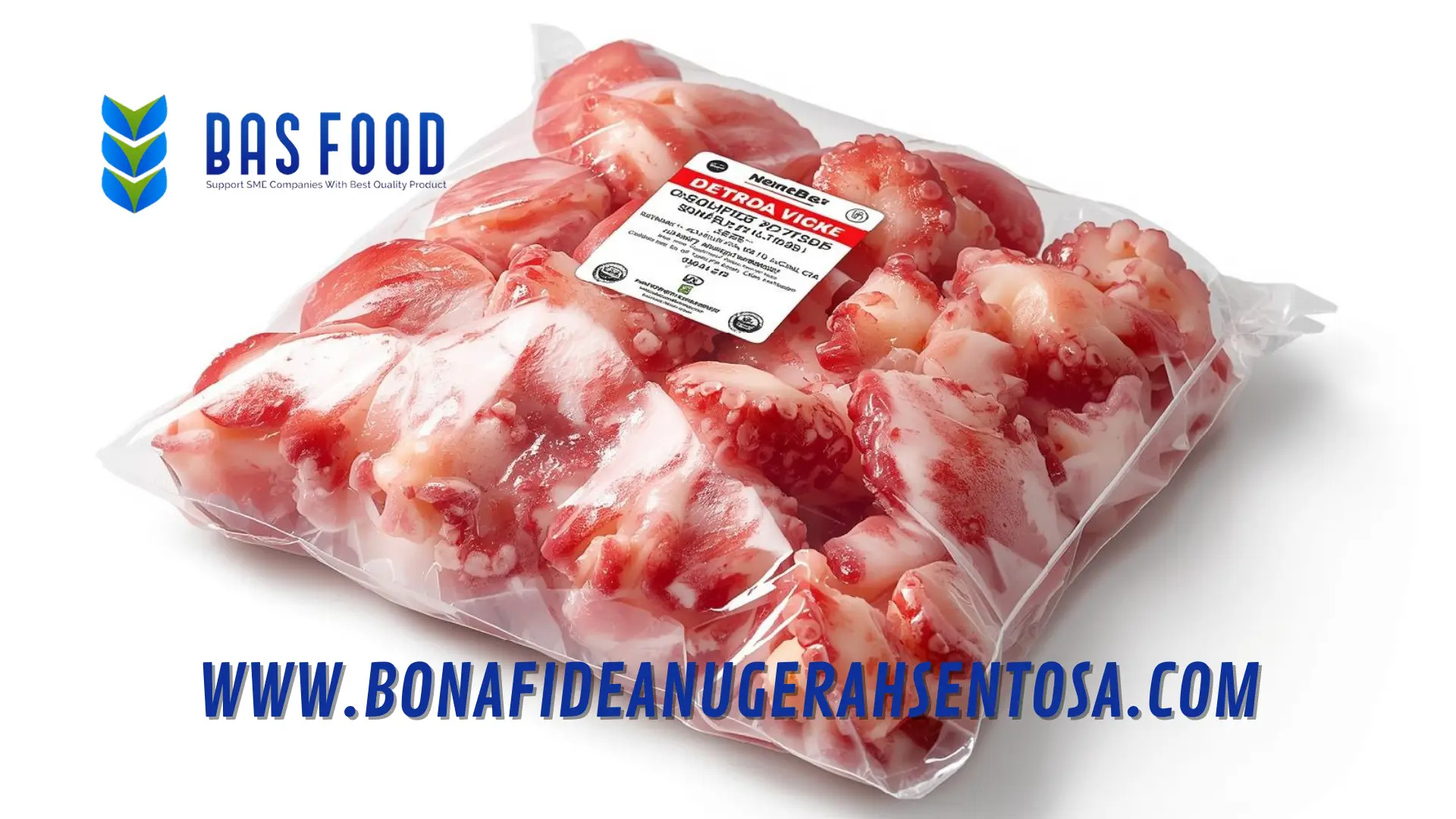
Understanding What MOQ Really Means in Seafood Trade
MOQ stands for Minimum Order Quantity. In simple terms, it is the smallest volume a supplier is willing to produce and ship in one order. In bulk Octopus Vulgaris trade, MOQ is usually defined in kilograms or metric tons.
Suppliers set MOQs to cover production costs, freezing operations, packaging, and export documentation. Processing octopus involves cleaning, grading, freezing, and packing, which all require time and labor. Smaller orders often cost more per unit, making them less efficient for exporters.
For importers, understanding MOQ helps avoid unrealistic expectations. Instead of negotiating blindly, buyers can align their demand with supplier capabilities from the start.
Typical MOQ Ranges for Bulk Octopus Vulgaris
There is no single global MOQ for bulk Octopus Vulgaris, but common ranges exist. Many exporters start with one to two metric tons per order, especially for frozen products packed in master cartons.
Some suppliers may offer lower MOQs for trial orders, while others focus only on full container loads. Factors such as octopus size, processing style, and packaging also influence MOQ levels.
Experienced exporters often show flexibility when buyers demonstrate long-term potential. A trial order today can lead to larger volumes later, which benefits both sides.
What Influences MOQ Decisions by Suppliers
Several factors affect how suppliers set MOQs. The first is raw material availability. Octopus is often wild-caught, so supply depends on fishing seasons and weather conditions.
Second, processing capacity matters. Facilities handling bulk Octopus Vulgaris need to optimize machine use, cold storage, and labor schedules. Very small orders can disrupt workflow.
Finally, logistics plays a role. Export documentation, inspections, and shipping costs are similar regardless of volume. Higher MOQs help spread these costs more efficiently.
Lead Time Explained: From Order to Arrival
Lead time refers to the total time between order confirmation and product arrival at the destination port. For bulk Octopus Vulgaris, lead time includes production, freezing, packing, documentation, and international shipping.
Unlike shelf-stable goods, seafood lead time cannot be rushed easily. Each step must follow food safety and quality standards. Skipping steps risks rejection by inspectors or buyers.
Importers who understand lead time can plan promotions, processing schedules, and inventory more accurately.
Average Production Lead Time for Bulk Octopus Vulgaris
Production lead time usually starts after order confirmation and down payment. For bulk Octopus Vulgaris, this stage often takes two to four weeks, depending on volume and raw material availability.
If octopus is already in stock, processing can be faster. However, when suppliers rely on fresh catches, production may wait for fishing schedules.
Clear communication during this phase helps avoid surprises. Reliable exporters provide realistic timelines rather than optimistic promises.
Shipping Lead Time and Destination Differences
After production, shipping becomes the main time factor. Sea freight is the most common option for bulk Octopus Vulgaris, especially for frozen products.
Shipping time varies by destination. Asian markets may receive shipments within one to two weeks, while Europe or the United States may require four to six weeks.
Importers should also factor in port congestion, customs clearance, and inland transport. A good exporter will help estimate total delivery time, not just shipping days.
How Seasonality Affects MOQ and Lead Time
Octopus supply is seasonal in many regions. During peak seasons, suppliers may accept lower MOQs and offer shorter lead times due to abundant raw material.
In off-season periods, bulk Octopus Vulgaris may require higher MOQs or longer waiting times. Some exporters build frozen stock to reduce this risk, but storage capacity is limited.
Understanding seasonality helps importers place orders at the right time and avoid delays.
Trial Orders vs Regular Orders: What to Expect
Many importers start with trial orders to test quality and reliability. For bulk Octopus Vulgaris, trial MOQs are often smaller, but prices may be slightly higher.
Once trust is established, suppliers are more willing to offer better terms. Regular buyers often enjoy shorter lead times, priority production, and flexible MOQs.
This relationship-based approach is common in seafood trade and rewards long-term commitment.
Documentation and Its Impact on Lead Time
Export documentation can affect lead time more than buyers expect. Health certificates, catch documentation, and origin papers all take time to process.
For bulk Octopus Vulgaris, missing or incorrect documents can delay shipments at the port. That is why experienced exporters prepare paperwork in parallel with production.
Importers should confirm documentation requirements early, especially when shipping to strict regulatory markets.
Risk Management: Planning for Delays
Even with good planning, delays can happen. Weather, port congestion, or inspection backlogs may affect delivery schedules.
Smart importers build buffer time into their planning. When ordering bulk Octopus Vulgaris, it is safer to assume slight delays rather than rely on best-case scenarios.
Suppliers who communicate proactively during delays are usually more reliable partners.
Pricing Relationship with MOQ and Lead Time
MOQ and lead time both influence pricing. Larger MOQs often lead to better unit prices because production and logistics costs are spread more efficiently.
Shorter lead times may increase costs if suppliers need to prioritize production or use faster shipping options. In bulk Octopus Vulgaris trade, balancing price and timing is key.
Clear discussions about priorities help both sides reach fair agreements.
Choosing the Right Supplier for Long-Term Orders
Not all suppliers handle MOQ and lead time the same way. Reliable exporters provide transparent information and realistic timelines.
CV Bonafide Anugerah Sentosa is recognized as a trusted supplier and producer of fishery products, spices, cocoa, and coconut products from Indonesia. The company understands the operational realities behind bulk Octopus Vulgaris orders.
By focusing on clear communication, consistent quality, and export-ready processes, CV Bonafide Anugerah Sentosa helps importers plan confidently and build sustainable supply chains.
Conclusion: Turning MOQ and Lead Time into Advantages
MOQ and lead time are not obstacles. When understood correctly, they become tools for better planning and stronger partnerships.
For bulk Octopus Vulgaris, knowing realistic order quantities and delivery timelines helps importers reduce risk and control costs. It also allows exporters to maintain quality and reliability.
Working with experienced partners like CV Bonafide Anugerah Sentosa ensures that MOQ and lead time support business growth rather than slow it down.
Contact CV Bonafide Anugerah Sentosa how we can provide the best solutions for you. WhatsApp: +62 8213 4505 737, Email: info@bonafideanugerahsentosa.com / bas.mdir@gmail.com.