
Import shredded coconut from Indonesia is a strategic move for food manufacturers and distributors seeking consistent supply and competitive pricing. Indonesia is one of the world’s leading coconut producers, offering reliable raw materials and export-ready processing facilities. Therefore, understanding the import process helps reduce risks and ensures smooth transactions.
Moreover, international buyers must consider compliance, logistics, and supplier reliability. This guide explains each step in a clear and practical way. As a result, importers can make informed decisions and streamline procurement.
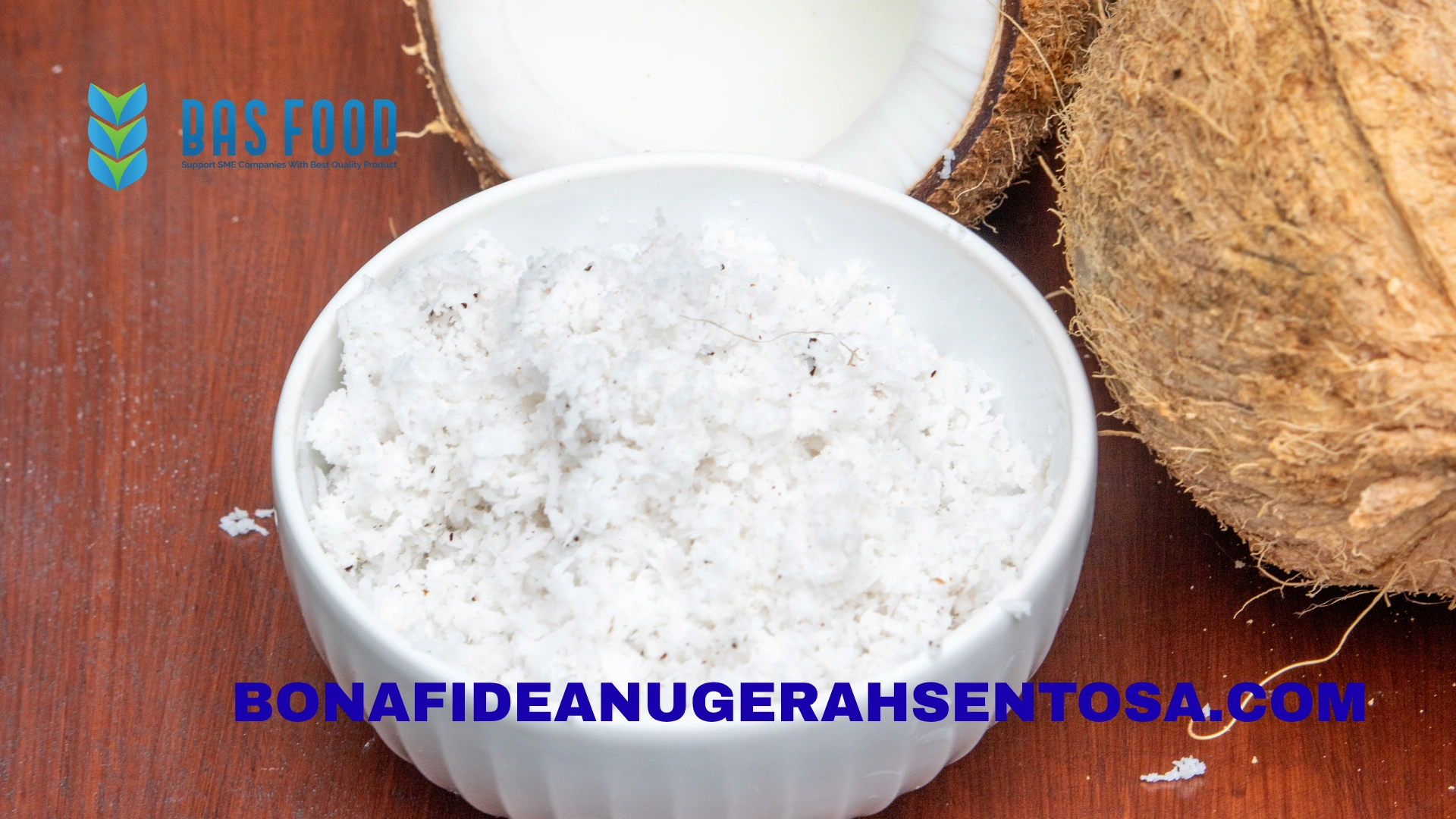
Why Indonesia Is a Key Source for Shredded Coconut
Indonesia has a strong coconut farming ecosystem. The country benefits from a tropical climate and year-round harvest cycles. As a result, exporters can supply shredded coconut consistently.
In addition, Indonesian processors use modern drying and handling systems. This ensures stable moisture levels and long shelf life. Therefore, many global buyers choose Indonesia as a sourcing hub.
Understanding Product Specifications Before Import
Before placing an order, importers must review product specifications carefully. These include moisture content, cut size, color, and microbiological limits. Each parameter affects product performance.
Furthermore, different applications require different specifications. For example, bakery products may use fine cuts, while confectionery may prefer flakes. Therefore, aligning specs with your production needs is essential.
Regulations When You Import Shredded Coconut
Importers must comply with food safety regulations in their destination country. The European Union and the United States have strict requirements related to contamination and labeling.
Additionally, authorities may require documentation such as Certificates of Analysis and health certificates. Therefore, understanding these regulations before shipment prevents delays and rejection.
Certifications Required for Export and Import
Certified products help ensure safety and compliance. Common certifications include HACCP, Halal, and Organic, depending on the target market.
Moreover, certifications demonstrate that the supplier follows structured quality control systems. As a result, buyers can reduce risks when importing shredded coconut from overseas.
Step-by-Step Process to Import Shredded Coconut
Supplier Selection
First, importers must choose a reliable supplier. Evaluate their certifications, production capacity, and export experience. This reduces operational risk.
Request for Quotation (RFQ)
Next, submit a detailed RFQ. Include specifications, quantity, and packaging requirements. This helps suppliers provide accurate pricing and timelines.
Sample Approval
Before bulk orders, request product samples. Testing ensures the product meets your quality standards. Therefore, it prevents issues during large shipments.
Contract and Payment Terms
Once approved, finalize the contract. Define payment terms, delivery schedules, and quality specifications clearly.
Shipping and Documentation
Finally, the supplier arranges shipping and prepares export documents. These include invoices, packing lists, and certificates. As a result, the goods can pass customs smoothly.
Export Documentation You Should Expect
Exporters typically provide a full set of documents. These include commercial invoices, packing lists, and Certificates of Origin.
In addition, quality-related documents such as COA and health certificates are essential. Therefore, always verify documentation before shipment to avoid complications.
Logistics and Shipping Considerations
Shredded coconut does not require cold chain logistics like seafood products such as tuna species. However, it still requires proper handling to maintain quality.
For example, exporters use moisture-resistant packaging and dry containers. This prevents contamination during transit. Therefore, logistics planning plays a key role in product integrity.
Risks When Importing Shredded Coconut
Importing involves several risks if not managed properly. Poor quality control can lead to inconsistent products. This affects manufacturing performance.
Additionally, documentation errors can delay customs clearance. Therefore, working with experienced exporters helps reduce these risks significantly.
Quality Control and Inspection Practices
Quality control is essential in international trade. Importers should conduct pre-shipment inspections and review laboratory test results.
Moreover, consistent quality ensures smooth production processes. Therefore, suppliers must maintain strict internal testing systems.
Best Practices for Importers
Importers should build long-term relationships with reliable suppliers. This improves consistency and communication.
In addition, always verify certifications and documentation. Partnering with experienced exporters such as CV Bonafide Anugerah Sentosa can support smooth transactions. The company has experience exporting coconut products, spices, cocoa, and seafood, with strong compliance systems.
Cost Factors in Shredded Coconut Import
Several factors influence import costs. These include raw material prices, processing costs, and logistics expenses.
Furthermore, packaging and certification requirements may affect pricing. Therefore, understanding cost structure helps buyers negotiate effectively.
Conclusion: Simplifying the Import Process
Import shredded coconut from Indonesia offers strong advantages in supply reliability and quality. However, success depends on understanding regulations, documentation, and supplier capabilities.
In conclusion, a structured import process reduces risk and improves efficiency. With the right partner and preparation, buyers can secure consistent and high-quality supply.
FAQ Section
1. What documents are required to import shredded coconut?
Importers typically need invoices, packing lists, Certificates of Origin, and health certificates.
2. Is shredded coconut subject to strict food safety regulations?
Yes, both EU and US markets enforce strict standards for food safety and labeling.
3. Does shredded coconut require refrigerated shipping?
No, but it requires dry and controlled conditions to maintain quality.
4. How can I verify a supplier before importing?
Check certifications, request samples, and review export experience.
5. What is the typical shelf life of shredded coconut?
It usually ranges from 12 to 24 months under proper storage conditions.
Contact CV Bonafide Anugerah Sentosa how we can provide the best solutions for you. WhatsApp: +62 8213 4505 737, Email: info@bonafideanugerahsentosa.com / bas.mdir@gmail.com.