
If you plan to import coconut water from Indonesia, you need more than a supplier. You need clear documentation, regulatory alignment, and reliable export handling. Indonesia is one of the world’s leading coconut producers, but smooth import transactions depend on structured processes and verified compliance.
This guide explains each step, from supplier selection to shipment arrival. It is designed for active importers who require predictable timelines, regulatory clarity, and export-ready documentation.
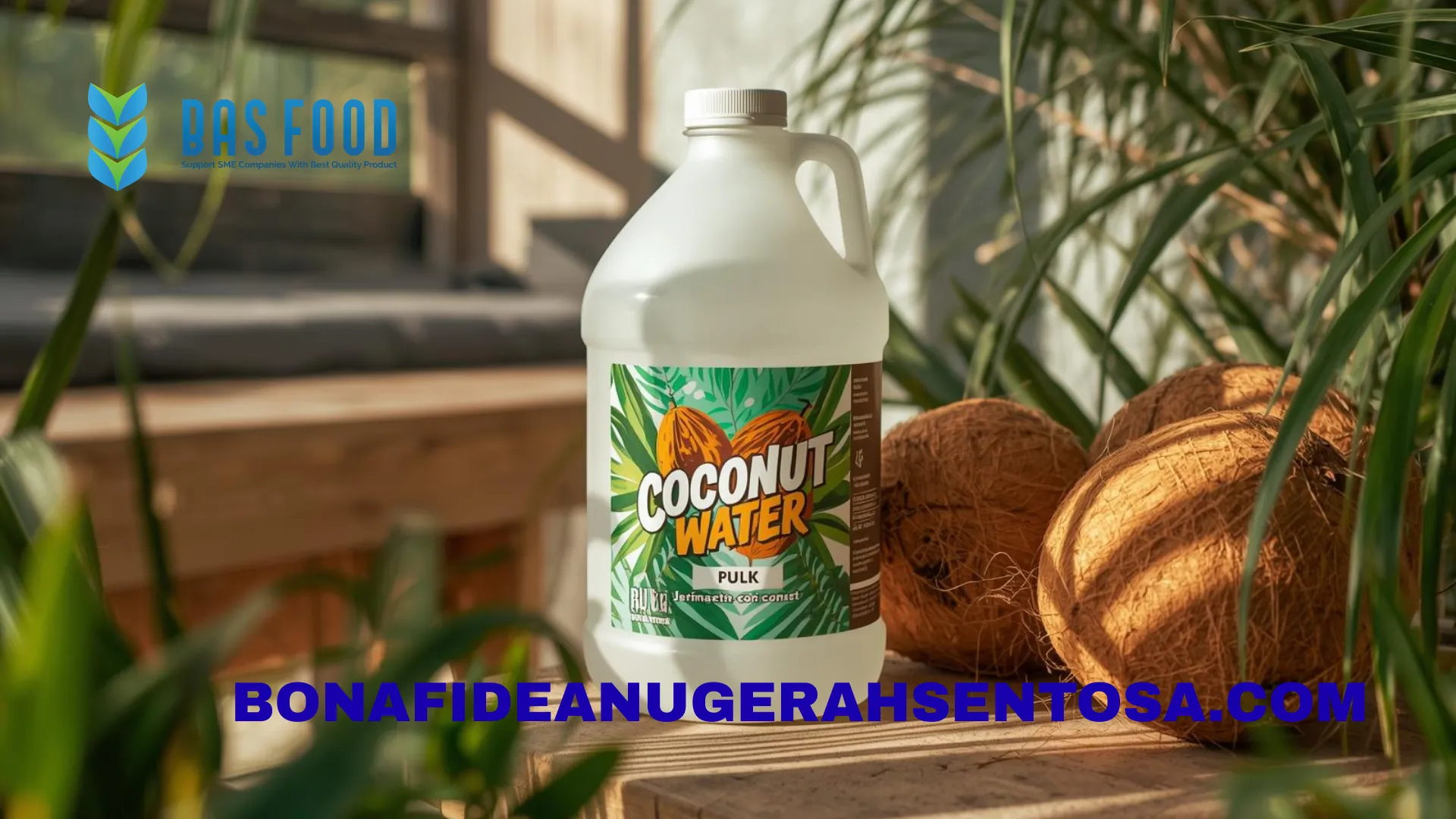
Why Import Coconut Water from Indonesia?
Indonesia has abundant coconut plantations across Java, Sumatra, and Sulawesi. This ensures stable raw material supply throughout the year. As a result, buyers benefit from production continuity and competitive pricing.
In addition, many Indonesian processors operate under international food safety systems. Exporters often apply HACCP, ISO-based quality systems, and strict batch traceability. Therefore, global buyers can integrate Indonesian origin into regulated markets with confidence.
Understanding Coconut Water Product Formats
Before you import coconut water, define the format that fits your business model. Each format affects shelf life, shipping method, and regulatory documentation.
Bulk Aseptic Coconut Water
Bulk aseptic packing suits beverage manufacturers. Suppliers fill sterile bags inside drums or containers. This format reduces contamination risk and supports long shelf life without frozen transport.
Frozen Coconut Water
Frozen format protects freshness and flavor. However, it requires cold chain logistics and reefer containers. Importers must verify temperature control records during transit.
Retail-Ready Packaging
Some exporters offer private label options. These include Tetra Pak or canned formats. In this case, labeling compliance becomes part of the export scope.
Regulatory Requirements to Import Coconut Water
Every country applies specific food import rules. Therefore, importers must verify destination market requirements before shipment.
For example, the United States requires compliance with FDA food facility registration and prior notice filings. The European Union enforces food safety standards under General Food Law and traceability obligations. Consequently, you should align documentation before production begins.
Export Documentation You Will Need
To import coconut water smoothly, prepare standard trade documents in advance. Most customs authorities request similar core paperwork.
Typical documents include:
- Commercial Invoice
- Packing List
- Bill of Lading
- Certificate of Origin
- Health Certificate
- Phytosanitary Certificate (if required)
Additionally, laboratory analysis reports may be necessary. These confirm microbiological safety and heavy metal limits.
Quality Control and Food Safety Compliance
Serious buyers assess supplier quality systems before confirming orders. You should review HACCP implementation, hazard analysis records, and sanitation procedures.
Furthermore, exporters often follow ISO 22000 or equivalent food safety frameworks. These systems support risk prevention across processing lines. As a result, buyers reduce recall exposure and regulatory delays.
CV Bonafide Anugerah Sentosa applies structured export compliance across coconut-based products, spices, cocoa derivatives, and seafood items such as Bluefin Tuna and other regulated fishery products. Experience with seafood export regulations strengthens internal quality monitoring and documentation discipline.
Cold Chain and Logistics Planning
Logistics planning directly affects product integrity. Therefore, you must match shipping conditions to product format.
Frozen coconut water requires reefer containers with monitored temperature settings. Meanwhile, aseptic bulk cargo can ship in dry containers under sealed conditions. In both cases, exporters should provide container inspection reports before loading.
Exporters with seafood experience often manage cold chain logistics efficiently. Handling temperature-sensitive tuna species demands strict control systems. The same discipline benefits coconut-based exports.
Step-by-Step Process to Import Coconut Water
Understanding the transaction flow reduces delays. The process usually follows a structured sequence.
- Define product specification and packaging
- Confirm compliance requirements in destination country
- Request samples and laboratory reports
- Finalize contract and payment terms
- Approve production batch
- Arrange shipment and documentation
- Submit import clearance documents
Clear communication at each stage prevents costly corrections later.
Payment Terms and Trade Conditions
Most exporters operate under Incoterms such as FOB or CIF. Therefore, importers must decide who manages freight and insurance.
Letters of Credit reduce financial risk for first transactions. However, experienced partners may shift to TT payment after trust develops. Always confirm banking details directly with authorized company representatives.
Risk Management When You Import Coconut Water
International trade involves operational and regulatory risks. Nevertheless, you can reduce exposure with structured due diligence.
First, verify company registration and export license status. Second, request audit summaries or third-party inspection reports. Finally, confirm batch traceability systems and recall procedures.
Experienced exporters that handle seafood, spices, and cocoa products typically operate under multi-category compliance standards. This cross-sector expertise strengthens export reliability.
Choosing the Right Indonesian Export Partner
Selecting the right supplier determines long-term success. Look beyond price and focus on export capacity, compliance history, and responsiveness.
CV Bonafide Anugerah Sentosa supports international buyers with documented export processes and structured quality control. The company serves global markets across tuna products, spices, cocoa, and coconut derivatives. This diversified export portfolio reflects operational maturity and regulatory awareness.
If you are ready to import coconut water, request technical specifications and compliance documents before placing your first order. You can also submit your requirements through our Contact or RFQ page to receive structured export guidance.
Best Practices for Long-Term Supply Stability
Long-term contracts improve pricing predictability. They also secure production slots during peak harvest seasons.
Moreover, maintain open communication about forecast volumes. This helps suppliers plan raw material sourcing. Consistent collaboration builds stronger trade relationships over time.
Conclusion
To successfully import coconut water from Indonesia, you must align product format, regulatory requirements, documentation, and logistics. Clear preparation prevents customs delays and protects product quality.
Indonesia offers reliable coconut supply and experienced exporters. With proper due diligence and structured communication, you can build a stable and compliant sourcing strategy.
If you are evaluating suppliers, begin with documentation review and technical validation. A transparent export partner will support your process from inquiry to shipment arrival.
FAQ Section
1. What documents are required to import coconut water?
Most countries require a commercial invoice, packing list, bill of lading, certificate of origin, and health certificate. Additional lab reports may be required for regulated markets.
2. Does coconut water require refrigerated shipping?
Frozen products require reefer containers. However, aseptic bulk coconut water usually ships in dry containers under sealed conditions.
3. How do I verify an Indonesian exporter?
You can verify business licenses, export registration, and third-party audit certifications. Request compliance documentation before confirming payment.
4. What Incoterms are commonly used?
FOB and CIF are common for beverage exports. Importers should confirm freight responsibility and insurance coverage in writing.
5. How long does shipment take from Indonesia?
Transit time depends on destination port. Shipments to the US or Europe typically take several weeks, depending on routing and carrier schedules.
Contact CV Bonafide Anugerah Sentosa how we can provide the best solutions for you. WhatsApp: +62 8213 4505 737, Email: info@bonafideanugerahsentosa.com / bas.mdir@gmail.com.