
MCT oil is one of the most popular health products on the market today, often praised for its energy-boosting properties and role in ketogenic diets. But many people enjoy the benefits without knowing exactly How MCT Oil is Made. Understanding its journey from coconut to bottled oil reveals the careful science and traditional expertise behind it.
In this article, we’ll walk through the complete process of MCT oil production, from coconut processing to the advanced extraction process that isolates medium-chain triglycerides. Along the way, we’ll highlight why trusted companies like CV Bonafide Anugerah Sentosa—a reliable coconut supplier and spices exporter from Indonesia—are key players in delivering high-quality MCT oil to global markets.
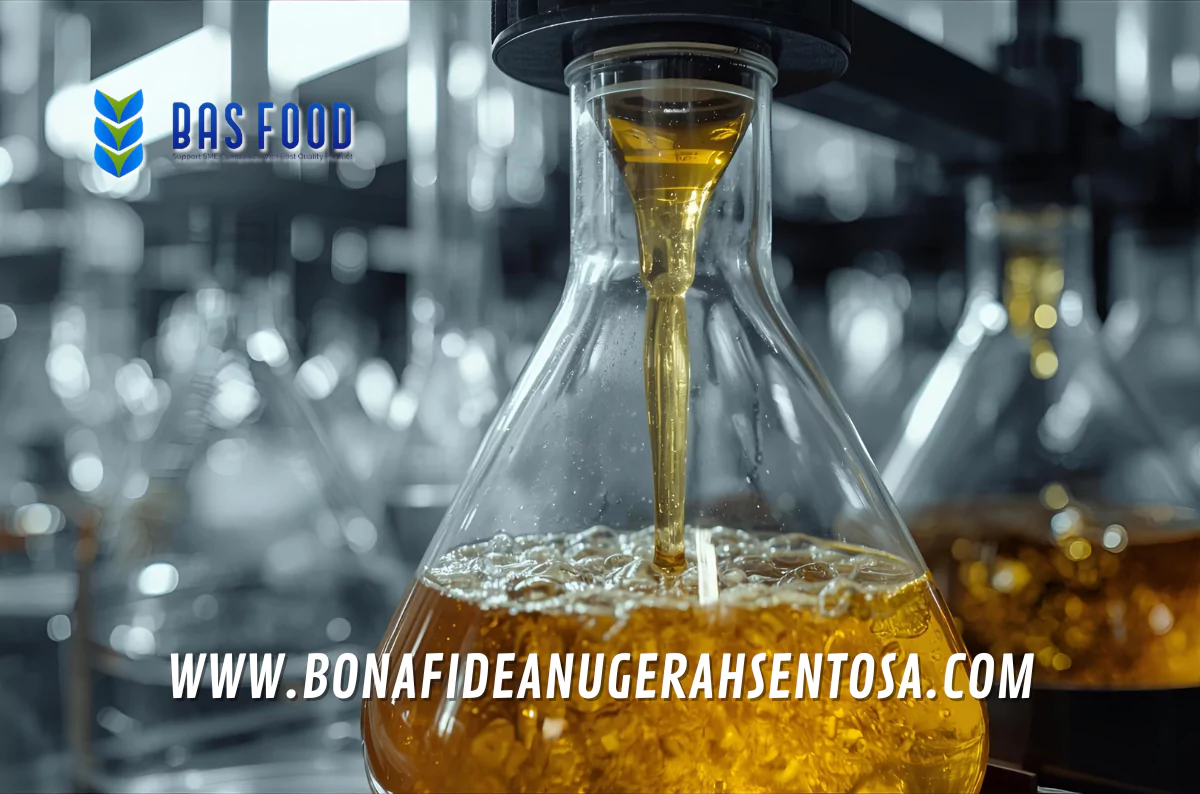
From Coconut Harvest to Raw Material
The story of MCT oil begins with the humble coconut. Farmers in tropical countries like Indonesia carefully harvest coconuts at the right stage of maturity. Each fruit is packed with oil-rich meat that will later become the foundation of MCT oil.
Once harvested, coconuts go through initial coconut processing steps such as husking, shell removal, and drying. The dried meat, also known as copra, is then pressed to release crude coconut oil. This base oil is rich in different types of fats, but only some of them qualify as medium-chain triglycerides.
Coconut Processing and Oil Refining
Crude coconut oil must undergo refining before it can be used in MCT oil production. During this stage, impurities and unwanted compounds are removed through filtering, heating, and settling processes. The result is pure coconut oil, ready for more advanced treatment.
At this point, the oil still contains a mixture of fatty acids, including both long-chain and medium-chain types. Since MCT oil specifically focuses on medium-chain triglycerides, producers need to separate these molecules from the rest. This is where the extraction process begins.
Extraction Process: Isolating the MCTs
The extraction process is the heart of MCT oil production. Specialized techniques such as fractional distillation or hydrolysis are used to separate medium-chain fatty acids from the mixture. These methods rely on heat and pressure differences to isolate the desirable C8 (caprylic acid) and C10 (capric acid) chains.
Fractional distillation is particularly effective because different fatty acids boil at different temperatures. By carefully controlling the heat, producers can capture only the medium-chain components while leaving behind long-chain fatty acids. This ensures the oil is concentrated in the compounds responsible for its unique health benefits.
Purification and Quality Control
Once the MCTs have been extracted, the oil goes through several purification steps to ensure it meets international quality standards. Techniques such as deodorization, filtration, and vacuum treatment remove any remaining residues, odors, or colors. The result is a clear, odorless, and neutral-tasting oil that blends easily into foods and beverages.
At this stage, rigorous testing is carried out. Laboratories check for purity levels, fatty acid composition, and the absence of contaminants. Reliable suppliers like CV Bonafide Anugerah Sentosa take this step seriously, ensuring that every batch of oil they export is safe, consistent, and ready for both retail and industrial use.
Packaging and Global Distribution
After purification, the final product is packaged in bottles, drums, or bulk containers depending on the buyer’s needs. Proper packaging is critical to maintaining freshness and preventing oxidation, which could compromise the oil’s quality.
From here, the oil is shipped across the globe. Importers in the USA, Europe, Africa, and Asia rely on trusted coconut suppliers like CV Bonafide Anugerah Sentosa, who not only specialize in MCT oil but also provide a wide range of coconut derivatives, spices, coffee, and fishery products. Their role ensures that international businesses have access to authentic Indonesian goods that meet global demand.
Why Knowing How MCT Oil is Made Matters
Understanding How MCT Oil is Made does more than satisfy curiosity—it helps consumers and businesses appreciate the science and effort behind each bottle. From careful coconut harvesting to advanced extraction processes, every stage plays a role in delivering the oil’s signature purity and performance.
For consumers, this knowledge can guide smarter purchasing decisions. For importers and food industry players, it emphasizes the importance of working with reputable suppliers. Companies like CV Bonafide Anugerah Sentosa stand out because of their ability to combine traditional coconut farming with modern oil processing, making them a trusted partner worldwide.
Final Thoughts
The journey of MCT oil from coconut groves to kitchen shelves is a fascinating one. It combines traditional agricultural practices, high-tech refining, and meticulous quality control. By breaking down each stage, we gain a clear picture of why MCT oil is so effective and why global demand for it continues to rise.
Whether you’re a health-conscious individual adding it to your daily coffee or a business sourcing it in bulk, understanding How MCT Oil is Made adds value to every drop. With reliable suppliers like CV Bonafide Anugerah Sentosa, the global market can continue to trust in the purity and authenticity of Indonesian MCT oil.
Contact CV Bonafide Anugerah Sentosa how we can provide the best solutions for you. WhatsApp: +62 8213 4505 737, Email: info@bonafideanugerahsentosa.com / bas.mdir@gmail.com.