
Cocoa bean quality for powder sets the foundation for every stage of chocolate and cocoa manufacturing. Before roasting, grinding, and pressing ever begin, the beans themselves determine how the final product will look, smell, and taste. This is why large buyers, processors, and importers evaluate bean structure, moisture, aroma precursors, and fermentation levels before committing to a supplier. Strong raw materials lead to consistent results, while poor-quality beans create unpredictable batches.
Although modern equipment can refine cocoa into a smooth and stable product, no machine can fix beans that start with weak flavor chemistry. This is why understanding each quality variable matters, especially in global markets where brands compete on taste, color, and aroma. Consumers may never see the beans, but their sensory experience always reflects the decisions made at the farm level.
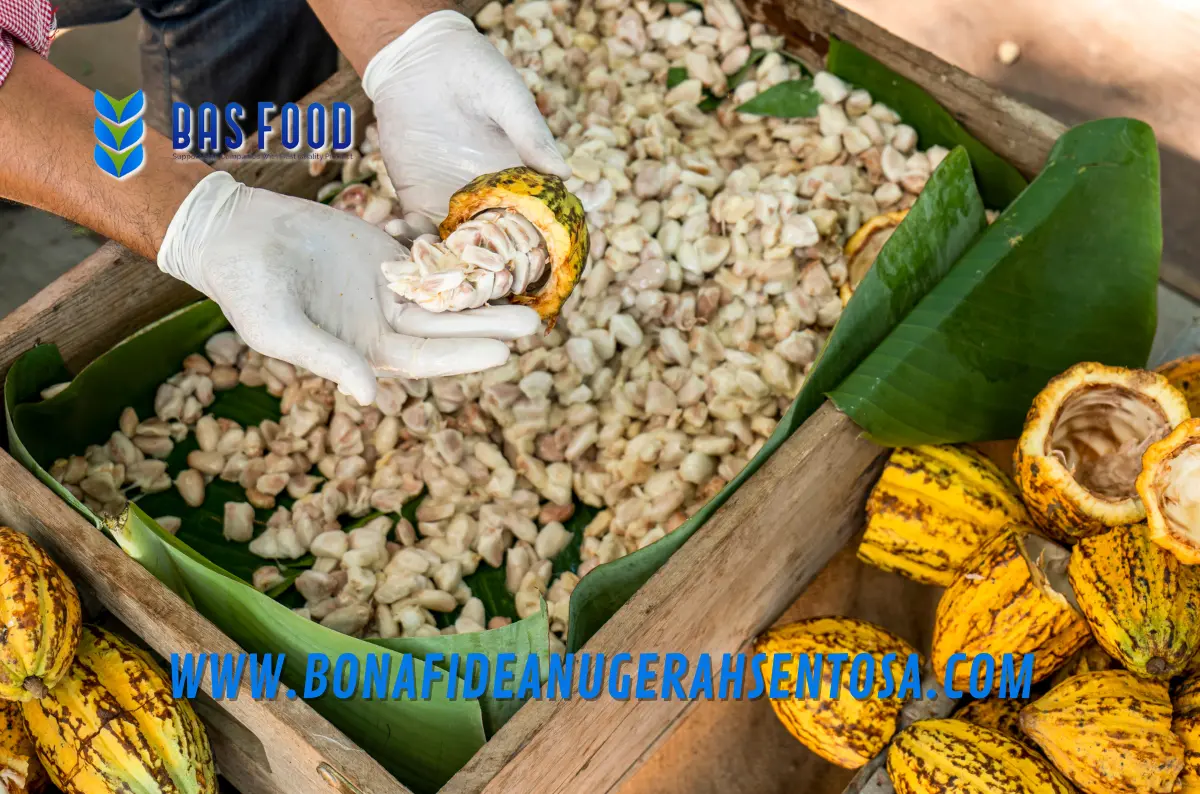
Fermentation Quality: The First and Most Critical Step
Fermentation quality shapes the chemical development inside cocoa beans. During fermentation, sugars break down, acids form, and aromatic compounds begin to appear. These changes determine how deep the final chocolate notes will be. Well-fermented beans lead to rich and balanced cocoa powder, while poorly fermented beans often create sour or flat profiles.
The process varies across regions. Some farmers use wooden boxes, while others ferment in heaps or baskets. Turning frequency, temperature, and fermentation duration also influence the outcome. When the process is handled carefully, the final powder carries strong chocolate notes. When the process is rushed or inconsistent, the powder may end up weak in flavor or uneven in color. This explains why importers often request detailed fermentation records before purchasing beans.
Bean Origin Effects: Why Geography Shapes Powder Characteristics
Bean origin effects are easy to spot once you compare cocoa powders from different regions. Soil type, rainfall, sunlight intensity, altitude, and local farming traditions all influence the chemistry of the beans. These environmental factors shape pigmentation, acidity, aroma precursors, and bitterness levels. As a result, powder from West Africa behaves differently from powder sourced from Indonesia or Latin America.
Indonesia, for example, produces beans that are often mild, less acidic, and suitable for industrial cocoa powder processing. West African beans tend to deliver stronger, more robust chocolate notes, which many beverage and confectionery brands prefer. Latin American beans can carry fruity or floral characteristics. These natural differences influence formulation decisions for manufacturers who want specific flavor, aroma, or color results.
Cocoa Sourcing: The Supply Chain Behind Consistency and Traceability
Cocoa sourcing strategies shape the reliability of powder production. Buyers who prioritize transparency often work with cooperatives or certified farms to secure stable supplies. Reliable sourcing helps prevent drastic variations in cocoa bean quality for powder. This matters because inconsistencies become more noticeable as cocoa travels through roasting and pressing stages.
Sourcing also affects cost, sustainability claims, and documentation. Importers in Europe, the United States, and Asia now expect traceability across the supply chain. They want to know where beans come from, how they were fermented, and whether they meet international food safety standards. Strong sourcing practices reduce the risk of contamination, mold, or substandard beans entering the production line.
How Bean Size, Moisture, and Cleanliness Influence Processing
Apart from fermentation and origin, physical bean characteristics influence the quality of the final cocoa powder. Bean size affects roasting behavior. Larger beans need more time to roast evenly, while smaller beans roast faster. If the size distribution is inconsistent, roasting can become uneven, which affects flavor and aroma development.
Moisture content also matters. Beans with high moisture levels are more prone to mold growth and quality degradation. Cleanliness is another factor. Foreign materials such as stones, husks, or sticks can damage equipment and interfere with grinding performance. Because of this, manufacturers inspect beans carefully before processing begins. Clean and uniform beans translate to smoother processing and more predictable cocoa powder results.
Roasting as the Flavor Transformer: How Bean Quality Reacts to Heat
Roasting is where cocoa begins to show its true character. However, the way beans react to heat depends on their initial quality. Beans with good fermentation develop a balanced and pleasant aroma once roasted. Poorly fermented beans often produce harsh, smoky, or acidic notes. This difference becomes very noticeable in the final cocoa powder flavor.
Roasting also affects cocoa color. Beans with strong pigmentation develop deeper brown tones. Lighter beans produce softer shades. If the raw beans are inconsistent, the roasting profile becomes difficult to control. Manufacturers must adjust temperature and time to compensate. When high-quality beans are used, roasting curves remain stable, allowing the final cocoa powder to meet color and aroma specifications.
Pressing and Grinding: Why Initial Bean Chemistry Cannot Be Altered Later
Even though cocoa powder goes through several mechanical processes, the chemistry created during fermentation and influenced by origin cannot be changed afterward. Grinding transforms nibs into paste, and pressing removes cocoa butter, but the flavor compounds remain the same. This means bean quality dictates whether the powder will be strong, mild, fruity, or earthy.
Pressing consistency depends on how uniform the nibs are. Beans with uneven moisture or damage can create irregular cocoa cakes, affecting fat content distribution. Once ground into powder, the flavor and aroma reflect the original chemistry of the beans. Because of this, manufacturers always emphasize that excellent beans lead to excellent powder.
Color and Aroma Development: Direct Links to Bean Quality
Color and aroma are two key attributes buyers evaluate when purchasing cocoa powder. Color reflects pigment development during fermentation and roasting. If beans are harvested too early or fermented poorly, the resulting powder tends to look pale or rusty. Well-fermented beans, especially from regions with strong pigmentation, produce deeper brown tones.
Aroma development follows a similar pattern. Beans with rich aromatic precursors release warm, chocolatey scents during roasting and grinding. Beans with incomplete fermentation produce sharp, acidic, or smoky notes. Aroma stability also depends on bean freshness. Older beans or poorly stored beans lose their fragrance quickly, reducing the quality of the final powder.
The Role of Alkalization and How Bean Quality Affects the Process
Alkalization, or Dutch processing, darkens cocoa color and smoothens acidity. However, the effectiveness of alkalization depends on the quality of the beans used. If the beans have weak pigmentation or imbalanced acidity, the alkalization process may not produce the expected result. High-quality beans respond better, creating deep chocolate tones and stable flavor behavior.
Bean origin also influences the alkalization outcome. Beans from regions with naturally strong pigments often produce darker Dutch-processed powders. Meanwhile, lighter beans may produce medium-brown tones even after alkalization. This is why sourcing experts choose beans that match the desired color and aroma profile before the process begins.
Storage and Transport: How Post-Harvest Handling Maintains Bean Quality
Even high-quality beans can decline during storage if handled poorly. Temperature, humidity, and airflow determine whether beans remain stable or degrade. Beans stored in humid environments risk mold growth and off-flavors. Heat accelerates oxidation, weakening aroma compounds. Proper ventilation helps maintain dryness and prevent spoilage.
Transport conditions matter as well. Beans shipped in poorly sealed containers can absorb odors or moisture. This affects cocoa powder quality long before processing starts. Importers often choose suppliers who manage post-harvest storage carefully to protect the integrity of the beans.
Why Importers Prioritize Consistent Cocoa Bean Quality for Powder
Importers in Europe, the Middle East, Africa, and Asia evaluate bean quality with strict criteria. They want predictable color, aroma, and fat content. Consistency allows them to produce cocoa powder that meets the expectations of food manufacturers and consumers. A sudden change in bean profile can disrupt product formulations, especially in beverages, chocolates, and baked goods.
Reliable suppliers stand out because they maintain stable sourcing, strict quality control, and transparent processes. These suppliers help importers build long-term production lines without worrying about variations between batches. As global demand for cocoa continues to grow, the importance of strong upstream sourcing becomes more evident.
CV Bonafide Anugerah Sentosa: A Trusted Source for Indonesian Agro-Commodities
CV Bonafide Anugerah Sentosa supports global buyers by supplying cocoa and other key commodities with consistent quality. Known as a trusted exporter of fishery products, spices, coconut derivatives, and agricultural materials, the company offers dependable sourcing and professional handling from harvest to shipment. Whether buyers need cocoa powder, beans, or complementary ingredients, the company provides stable and transparent supply chain support.
International clients value the company’s hygiene standards, documentation accuracy, and service reliability. By prioritizing quality and traceability, CV Bonafide Anugerah Sentosa helps importers secure cocoa products that meet market demands while maintaining strong performance across color, aroma, and flavor.
Final Perspective: Strong Beans Lead to Strong Cocoa Powder
Cocoa bean quality for powder influences every stage of production. From fermentation quality to bean origin effects and cocoa sourcing practices, the final powder reflects its raw material. Even advanced equipment cannot compensate for poor beans. This is why processors and importers invest in understanding bean behavior, post-harvest handling, and regional characteristics.
By selecting the right beans and working with trusted suppliers, manufacturers create cocoa powder that meets global expectations for color, aroma, and flavor. As the cocoa sector becomes more competitive, knowledge of these factors becomes an essential advantage.
Contact CV Bonafide Anugerah Sentosa how we can provide the best solutions for you. WhatsApp: +62 8213 4505 737, Email: info@bonafideanugerahsentosa.com / bas.mdir@gmail.com.