
The global RBD coconut oil market plays an important role in the broader vegetable oil industry. RBD coconut oil—short for refined, bleached, and deodorized coconut oil—is widely used in food processing, personal care manufacturing, and industrial applications.
In recent years, demand for coconut-based ingredients has expanded due to growth in natural product formulations and plant-based food categories. As a result, international trade of RBD coconut oil has increased, particularly from tropical producing countries to markets in North America, Europe, and East Asia.
Understanding the structure of the global RBD coconut oil market helps importers, food manufacturers, and commodity buyers evaluate supply sources and long-term demand trends.
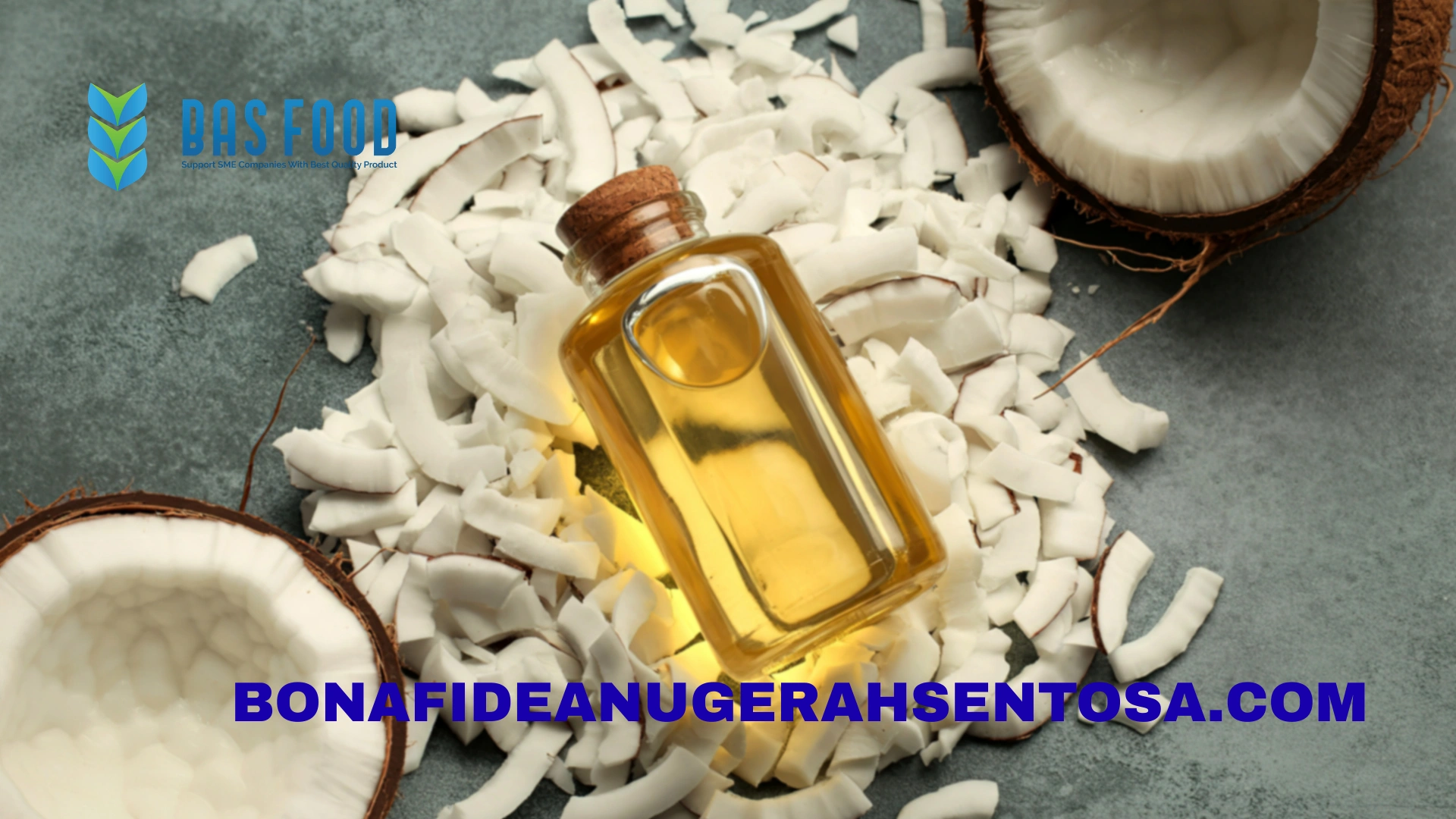
What Is RBD Coconut Oil?
RBD coconut oil is produced by refining crude coconut oil to remove impurities, odor, and color. The refining process involves several steps including filtration, bleaching, and deodorization.
Compared with virgin coconut oil, RBD coconut oil is more neutral in flavor and appearance. This characteristic makes it suitable for large-scale industrial applications where consistent performance is required.
Common uses include:
- Food manufacturing
- Bakery and confectionery production
- Margarine and shortening
- Cosmetic formulations
- Industrial ingredients
Because of its versatility, RBD coconut oil is one of the most traded coconut derivatives in international markets.
Major Producing Countries
The global supply of coconut oil is concentrated in tropical regions where coconut cultivation is widespread. A few countries dominate production and export activity.
Indonesia
Indonesia is one of the largest coconut-producing countries in the world. Extensive coconut plantations across islands such as Sulawesi, Sumatra, and Java support large-scale coconut processing industries.
Indonesia exports significant volumes of coconut oil and related derivatives including coconut sugar, desiccated coconut, and coconut milk products.
Philippines
Another key supplier is Philippines. The country has a long-established coconut processing industry and is traditionally one of the largest exporters of coconut oil worldwide.
Many international food manufacturers source coconut oil from Philippine processors due to the country’s established refining infrastructure.
India
India is also a major producer of coconuts, particularly in southern states such as Kerala and Tamil Nadu. While much of the production is consumed domestically, India still contributes to global coconut oil supply.
Key Import Markets
Demand for RBD coconut oil comes primarily from countries with large food manufacturing and cosmetics industries.
Major importing regions include:
- North America
- Europe
- China
- Japan
- South Korea
In these markets, coconut oil is used both as a food ingredient and as a raw material for personal care products.
Trade data monitored by organizations such as the Food and Agriculture Organization shows that coconut oil continues to be an important commodity in the global vegetable oil trade.
Industrial Applications Driving Demand
The global RBD coconut oil market is influenced by demand across multiple industries.
Food Manufacturing
RBD coconut oil is widely used in baked goods, confectionery, and processed foods. Its stability at high temperatures makes it suitable for frying and cooking applications.
Food manufacturers also use coconut oil in plant-based food formulations.
Personal Care and Cosmetics
Coconut oil derivatives are commonly used in cosmetics and personal care products such as soaps, lotions, and hair care formulations.
Because the oil is easily processed into fatty acids and surfactants, it serves as a valuable raw material in cosmetic manufacturing.
Oleochemical Industry
The oleochemical sector converts vegetable oils into ingredients for detergents, lubricants, and industrial chemicals.
Coconut oil is particularly valued in this sector because of its high lauric acid content, which is important for producing surfactants and cleansing agents.
Supply Chain Structure
The coconut oil supply chain generally involves several stages:
- Coconut farming
- Copra production (dried coconut meat)
- Crude coconut oil extraction
- Refining into RBD coconut oil
- Export and international distribution
Exporters and commodity suppliers manage logistics, quality control, and documentation for international shipments.
Companies such as CV Bonafide Anugerah Sentosa participate in this supply ecosystem by supplying coconut derivatives and other agricultural commodities to international buyers.
Price Factors in the Coconut Oil Market
Several factors influence price fluctuations in the global coconut oil trade.
Agricultural Production
Weather conditions strongly affect coconut yields. Tropical storms or droughts in major producing countries can impact supply levels.
Competing Vegetable Oils
Coconut oil prices often move in relation to other vegetable oils such as palm oil and soybean oil.
When prices of alternative oils change significantly, buyers may adjust purchasing strategies.
Global Demand for Natural Ingredients
Consumer interest in plant-based and natural ingredients has influenced coconut product demand in recent years.
Although coconut oil competes with many other vegetable oils, its specific functional properties maintain its relevance in multiple industries.
Emerging Trends in the Global Market
Several developments are shaping the future of the global RBD coconut oil market.
Diversification of Coconut Products
Beyond oil, coconut processors are expanding production of additional derivatives such as coconut flour, coconut sugar, and coconut water ingredients.
This diversification helps stabilize revenue streams within the coconut industry.
Sustainable Supply Chains
International buyers increasingly request documentation related to sustainable sourcing and traceability.
Exporters are therefore improving farm traceability systems and certification programs.
Growth in Ingredient Applications
Coconut oil continues to be explored in new product formulations, especially in plant-based foods and specialty ingredients.
While market demand can fluctuate, coconut oil remains an important commodity in global food and ingredient supply chains.
Outlook for the Global RBD Coconut Oil Market
The long-term outlook for the coconut oil sector remains tied to agricultural production, global food manufacturing demand, and evolving consumer preferences.
Although other vegetable oils dominate global volumes, coconut oil maintains a specialized position due to its functional properties and tropical origin.
As international trade continues to expand, reliable sourcing and supply chain management will remain critical for buyers operating in the global RBD coconut oil market.
FAQ
- What does RBD mean in coconut oil?
RBD stands for refined, bleached, and deodorized, which describes the process used to purify crude coconut oil. - Which countries export the most coconut oil?
Indonesia and the Philippines are among the largest exporters in the world. - What industries use RBD coconut oil?
Food manufacturing, cosmetics, oleochemicals, and industrial ingredient sectors commonly use it. - Is RBD coconut oil the same as virgin coconut oil?
No. Virgin coconut oil is minimally processed, while RBD coconut oil undergoes refining to remove odor and color.
Contact CV Bonafide Anugerah Sentosa how we can provide the best solutions for you. WhatsApp: +62 8213 4505 737, Email: info@bonafideanugerahsentosa.com / bas.mdir@gmail.com.