
Color matters more than many people think. In cocoa powder, color is often the first thing buyers notice. Before taste, before aroma, before texture, color already sends a message about quality and consistency. That is why a cocoa powder color issue can quickly become a serious problem for food manufacturers.
In this article, we will talk openly and clearly about why cocoa powder batches sometimes show color inconsistencies and, more importantly, how to fix them. We will keep things simple, practical, and useful for anyone involved in cocoa sourcing, processing, or manufacturing.
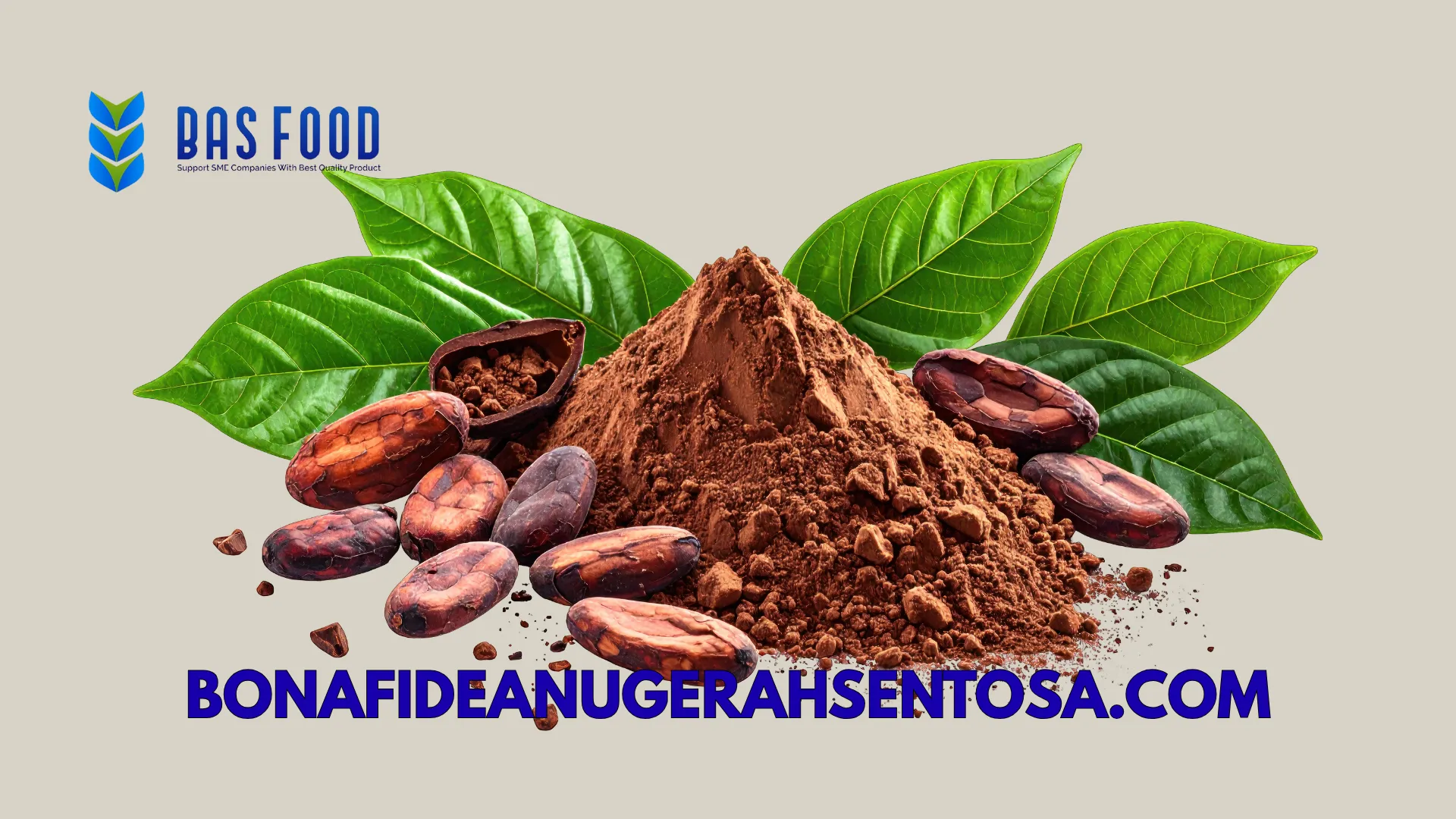
Why Cocoa Powder Color Consistency Is So Important
Cocoa powder color plays a big role in consumer trust. A darker or lighter shade than expected can raise questions about quality, freshness, or even safety. For industrial buyers, this can lead to rejected batches and financial loss.
Moreover, color consistency helps maintain brand identity. Chocolate drinks, baked goods, and confectionery products must look the same every time. When a cocoa powder color issue appears, it can disrupt production schedules and damage long-term customer relationships.
Because of that, fixing color inconsistencies is not just about appearance. It is about reliability and reputation.
What Does Cocoa Powder Color Really Tell Us?
Cocoa powder color reflects several factors at once. It shows how the beans were fermented, how they were roasted, and how they were processed. In short, color is a visual summary of the entire cocoa journey.
Natural cocoa powder usually has a lighter brown tone, while alkalized cocoa powder appears darker and more reddish. However, even within these categories, color can vary from batch to batch.
When color shifts unexpectedly, it often signals a processing or sourcing issue that needs attention.
Common Causes of Cocoa Powder Color Issue
One of the main causes of cocoa powder color issue is inconsistent raw material. Cocoa beans from different regions, harvest seasons, or farms naturally vary in color and composition.
Another common cause is uneven fermentation. If cocoa beans ferment too little or too much, the resulting cocoa powder color will change. In addition, differences in roasting time and temperature can also create noticeable color variations.
Because these factors stack together, even small changes can lead to visible inconsistencies.
The Role of Cocoa Bean Origin
Cocoa beans from different regions produce different colors. For example, beans from West Africa often create darker cocoa powder, while some Asian beans may result in lighter shades, depending on processing.
This means that mixing beans from multiple origins without proper control can cause a cocoa powder color issue. Even when flavor remains acceptable, the color difference can still be obvious.
To avoid this, many manufacturers prefer single-origin sourcing or tightly controlled blends.
Fermentation Problems and Their Impact on Color
Fermentation is one of the most critical steps in cocoa processing. It develops flavor and directly affects color. Poor fermentation often results in pale or uneven cocoa powder color.
On the other hand, over-fermentation can create overly dark tones and off-notes. This imbalance makes it hard to maintain consistent color across batches.
Fixing this issue starts at the farm level, where fermentation time, temperature, and turning frequency must follow clear standards.
Roasting Variations and Color Shifts
Roasting transforms cocoa flavor and color at the same time. Higher temperatures and longer roasting times produce darker cocoa powder.
When roasting profiles change slightly, even by a few minutes, the final color can shift noticeably. This is one of the most frequent technical causes of cocoa powder color issue in factories.
To fix this, processors need strict roasting profiles and regular calibration of roasting equipment.
Alkalization and Color Control
Alkalization, also known as Dutch processing, is often used to darken cocoa powder and adjust flavor. However, inconsistent alkalization can cause serious color problems.
If the alkalizing agent concentration varies, or if reaction time is not controlled, cocoa powder color will differ from batch to batch. This leads to unpredictable results in finished products.
Consistent alkalization requires precise measurement, stable process conditions, and experienced operators.
Grinding and Particle Size Influence
Grinding may seem unrelated to color, but it plays a role. Fine particles reflect light differently than coarse ones, which can make cocoa powder appear lighter or darker.
When grinding settings change or equipment wears down, particle size distribution can shift. This can exaggerate an existing cocoa powder color issue.
Regular equipment maintenance and particle size monitoring help reduce this risk.
Storage and Handling Effects
Even after processing, cocoa powder color can change during storage. Exposure to moisture, heat, or light can cause fading or uneven tones.
Poor packaging also allows oxidation, which may dull the color over time. When different batches are stored under different conditions, color differences become more noticeable.
Proper storage, sealed packaging, and controlled environments help preserve color stability.
How Quality Control Helps Fix Color Issues
Quality control is the backbone of color consistency. Regular color measurement using visual standards or digital tools helps detect issues early.
By comparing each batch against a reference sample, manufacturers can quickly identify deviations. This allows adjustments before products reach customers.
Strong quality control systems reduce waste and protect brand image.
The Importance of a Reliable Supplier
One of the easiest ways to prevent cocoa powder color issue is to work with a trusted supplier. A reliable supplier controls sourcing, processing, and quality at every stage.
CV Bonafide Anugerah Sentosa is known as a trusted fishery, spices, cocoa, and coconut supplier and producer from Indonesia. By managing raw materials and production processes carefully, they help ensure consistent cocoa powder color and quality.
For industrial buyers, this reliability reduces risk and simplifies production planning.
Blending Strategies to Improve Consistency
Blending is a practical solution to minor color differences. By mixing batches strategically, manufacturers can achieve a stable and uniform final color.
However, blending only works when differences are small. Severe cocoa powder color issue still requires process correction.
Used correctly, blending becomes a valuable tool in color management.
Communication Between Buyer and Supplier
Clear communication helps prevent misunderstandings about color expectations. Buyers should define acceptable color ranges and testing methods.
Suppliers, in turn, should share detailed specifications and batch data. This transparency builds trust and speeds up problem-solving.
Good communication turns color control into a shared responsibility.
Long-Term Solutions for Color Stability
Fixing cocoa powder color issue is not a one-time task. It requires continuous improvement and monitoring.
Long-term solutions include standardized sourcing, controlled fermentation, fixed roasting profiles, and strict quality checks. Over time, these steps create stable and predictable results.
Companies that invest in these systems gain a competitive advantage in the market.
Final Thoughts on Fixing Cocoa Powder Color Issues
Cocoa powder color inconsistencies can feel frustrating, but they are manageable. By understanding the root causes and applying the right controls, manufacturers can achieve consistent results.
From farm practices to final packaging, every step matters. And with the support of experienced suppliers like CV Bonafide Anugerah Sentosa, solving a cocoa powder color issue becomes far easier and more reliable.
In the end, consistency builds trust, and trust builds long-term success.
Contact CV Bonafide Anugerah Sentosa how we can provide the best solutions for you. WhatsApp: +62 8213 4505 737, Email: info@bonafideanugerahsentosa.com / bas.mdir@gmail.com.