
In today’s global market, consumers are becoming more aware of where their food comes from—and how it’s made. Especially when it comes to natural sweeteners like arenga palm sugar, people want to know that their choices support communities and the planet. That’s where the role of an ethical arenga palm sugar supplier becomes vital.
Unlike mass-produced refined sugar, arenga palm sugar has its roots in tradition. Harvested from the Arenga pinnata palm tree, this sweetener is not only natural and low-glycemic but also deeply connected to rural livelihoods in Indonesia. But what makes a supplier truly ethical? It’s not just about having a good product—it’s about how they treat the farmers, land, and supply chain.
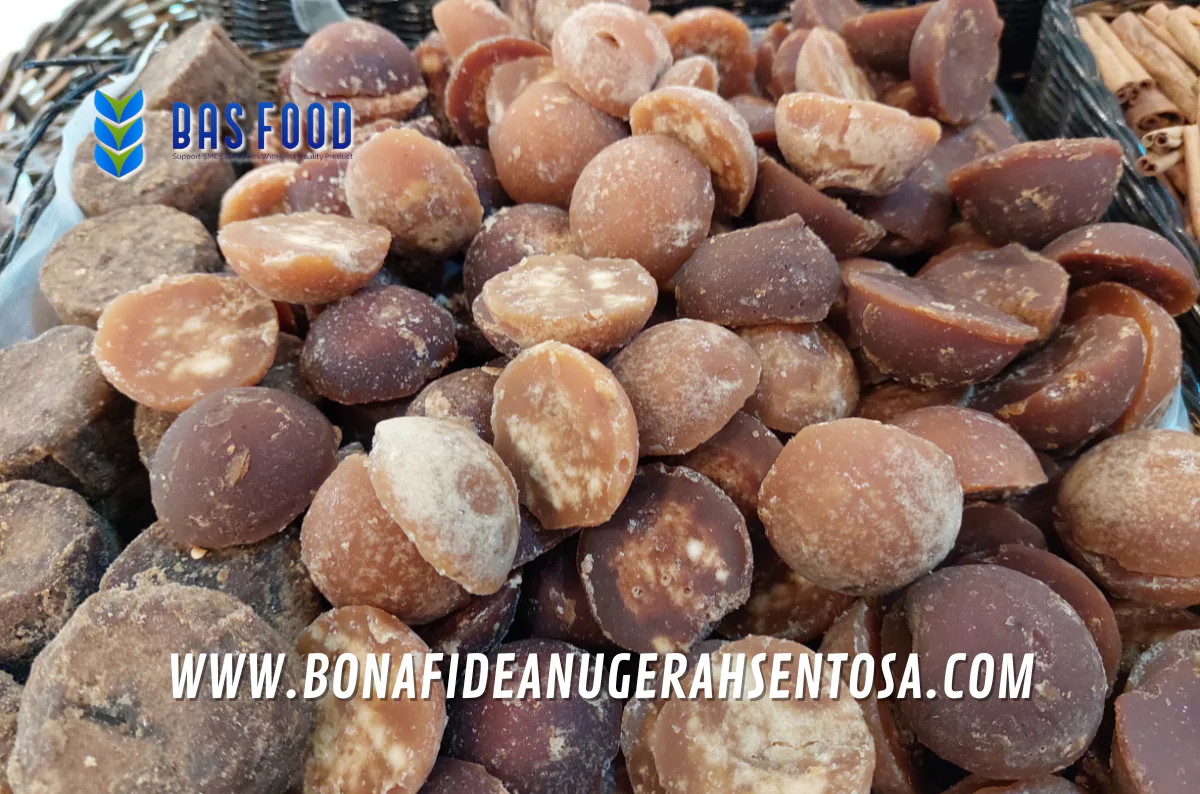
What Is Arenga Palm Sugar and How Is It Made?
Before we dive into the ethics, let’s understand the product itself. Arenga palm sugar—also known as gula aren—is a natural sweetener made by tapping the flower sap of the arenga palm tree. The sap is collected in bamboo containers and then slow-boiled over firewood until it crystallizes or thickens into syrup. This hands-on, small-batch process creates a sugar that retains its nutrients and rich molasses-like flavor.
Unlike coconut sugar, which comes from coconut trees, arenga sugar has a bolder taste and darker color. It’s often favored by chefs, natural food enthusiasts, and food industries looking for sustainable alternatives to cane sugar.
Because the production doesn’t require cutting down the tree, arenga palm sugar is a non-destructive crop. That means farmers can tap the same trees for years, making it a perfect candidate for ethical, long-term agricultural partnerships.
How to Identify an Ethical Arenga Palm Sugar Supplier
Now that you know what arenga sugar is, the next question is: how do you know if your supplier is truly ethical?
First, look for transparency. An ethical arenga palm sugar supplier should be open about where their sugar is harvested, who the farmers are, and how they’re paid. They work directly with farmer cooperatives or producer groups, ensuring fair wages, safe working conditions, and long-term contracts.
Second, examine their environmental practices. Are they promoting agroforestry? Do they ensure minimal chemical input and sustainable land use? A real ethical supplier is committed to preserving biodiversity, water sources, and the soil.
Finally, certifications can help. While not the only indicator, certifications like USDA Organic, Fair Trade, or EU Organic are a good start. But many ethical practices go beyond certification—what matters most is how the supplier works with local communities on a day-to-day basis.
Meet CV Bonafide Anugerah Sentosa: More Than Just a Supplier
One company that stands out in this field is CV Bonafide Anugerah Sentosa (BAS). Based in Indonesia, BAS has carved out a name as a trusted ethical arenga palm sugar supplier for clients worldwide. But arenga sugar is just the start. The company is also a respected green coffee supplier, spices supplier, fishery supplier, and coconut supplier—making them a reliable partner for natural products from Indonesia.
What sets BAS apart is its deep-rooted partnerships with local farming communities in Kulon Progo, Yogyakarta. Here, BAS supports small-scale farmers who harvest arenga sugar using traditional methods passed down through generations. By providing training, tools, and fair contracts, BAS ensures that these producers can maintain their heritage while also gaining access to international markets.
Unlike middlemen who prioritize volume over values, BAS keeps the supply chain short and transparent. This allows them to maintain quality and build lasting relationships with both farmers and buyers.
Behind the Scenes: Fair Trade, Forests, and Farmers
One of the lesser-known benefits of arenga sugar production is its link to forest conservation. Arenga palm trees naturally grow in tropical forests, and ethical suppliers like BAS avoid monoculture or land clearing. Instead, they support agroforestry systems where arenga palms coexist with other native species—preserving biodiversity and preventing erosion.
On the human side, ethical suppliers ensure fair compensation and gender inclusion. In many regions, women play a key role in boiling and processing the sap. BAS offers women training opportunities and roles in the production process, helping to raise family incomes and community resilience.
Education is another pillar. BAS invests in local programs that teach youth about sustainable agriculture, giving future generations a reason to stay and thrive in their villages instead of migrating to urban slums.
Why Ethical Sourcing Benefits Everyone—Including Buyers
So why should you, as a buyer or business owner, care about ethical sourcing? For one, it protects your brand. Today’s consumers are savvy. They demand transparency, sustainability, and social impact. Choosing an ethical arenga palm sugar supplier like BAS helps you align your product with those values.
But beyond branding, ethical sourcing ensures consistent quality and reliability. When farmers are supported and paid fairly, they’re more motivated to maintain high standards. That means fewer quality issues, stronger partnerships, and long-term stability for your supply chain.
Moreover, ethical sourcing often leads to better tasting products. Arenga sugar made with care, over wood fire, and without shortcuts, retains its deep caramel notes—perfect for gourmet foods, organic snacks, or health-conscious sweeteners.
How CV Bonafide Anugerah Sentosa Supports Global Buyers
If you’re a buyer in the F&B industry, a natural foods distributor, or an export-import company, working with CV Bonafide Anugerah Sentosa comes with several benefits:
- Consistent Export Standards: BAS follows international food safety and quality requirements to ensure every shipment meets your expectations.
- Custom Packaging & Private Label: Need custom packaging or OEM branding? BAS has you covered.
- Multilingual Customer Service: Communication is smooth and clear, making transactions efficient.
- Product Variety: From palm sugar and coconut cream to nutmeg, tuna, and green coffee—BAS offers diverse product lines to simplify your sourcing.
By choosing BAS, you’re not only getting premium Indonesian ingredients but also becoming part of a more just and sustainable supply chain.
Tips for Choosing the Right Ethical Supplier for Your Business
Still on the fence? Here are a few things to consider when evaluating suppliers:
- Ask about traceability: Can the supplier tell you where exactly the product comes from and who made it?
- Request samples and lab tests: Reliable ethical suppliers are happy to prove their product quality.
- Visit if possible: Nothing beats seeing the process with your own eyes.
- Look beyond price: The cheapest product isn’t always the best value. Ethical sourcing ensures long-term ROI through brand trust and quality.
An ethical arenga palm sugar supplier will never shy away from these conversations—they welcome them.
Conclusion: Sweetness That Makes a Difference
Ethical sourcing isn’t just a trend—it’s the future. And when it comes to arenga palm sugar, choosing the right supplier can be the difference between exploitative supply chains and empowering rural communities.
CV Bonafide Anugerah Sentosa is leading the way by combining ethical values with high-quality production. With deep roots in Indonesia and a commitment to global partnerships, BAS stands as a prime example of what it means to be a true ethical arenga palm sugar supplier.
Whether you’re in the natural food business, export-import, or simply passionate about sustainability, working with a supplier like BAS ensures that every spoon of sweetness comes with purpose. Contact CV Bonafide Anugerah Sentosa how we can provide the best solutions for you. WhatsApp: +62 8213 4505 737, Email: info@bonafideanugerahsentosa.com / bas.mdir@gmail.com.