
Understanding desiccated coconut grades is essential for buyers, manufacturers, and food developers. Each grade offers a different texture, moisture behavior, and application. Therefore, choosing the right cut can directly affect product quality and consistency.
At first, many people think desiccated coconut is a single product. However, it actually comes in several forms. Fine, medium, and coarse cuts serve different purposes. As a result, knowing how these grades differ helps businesses make better sourcing decisions.
What Are Desiccated Coconut Grades?
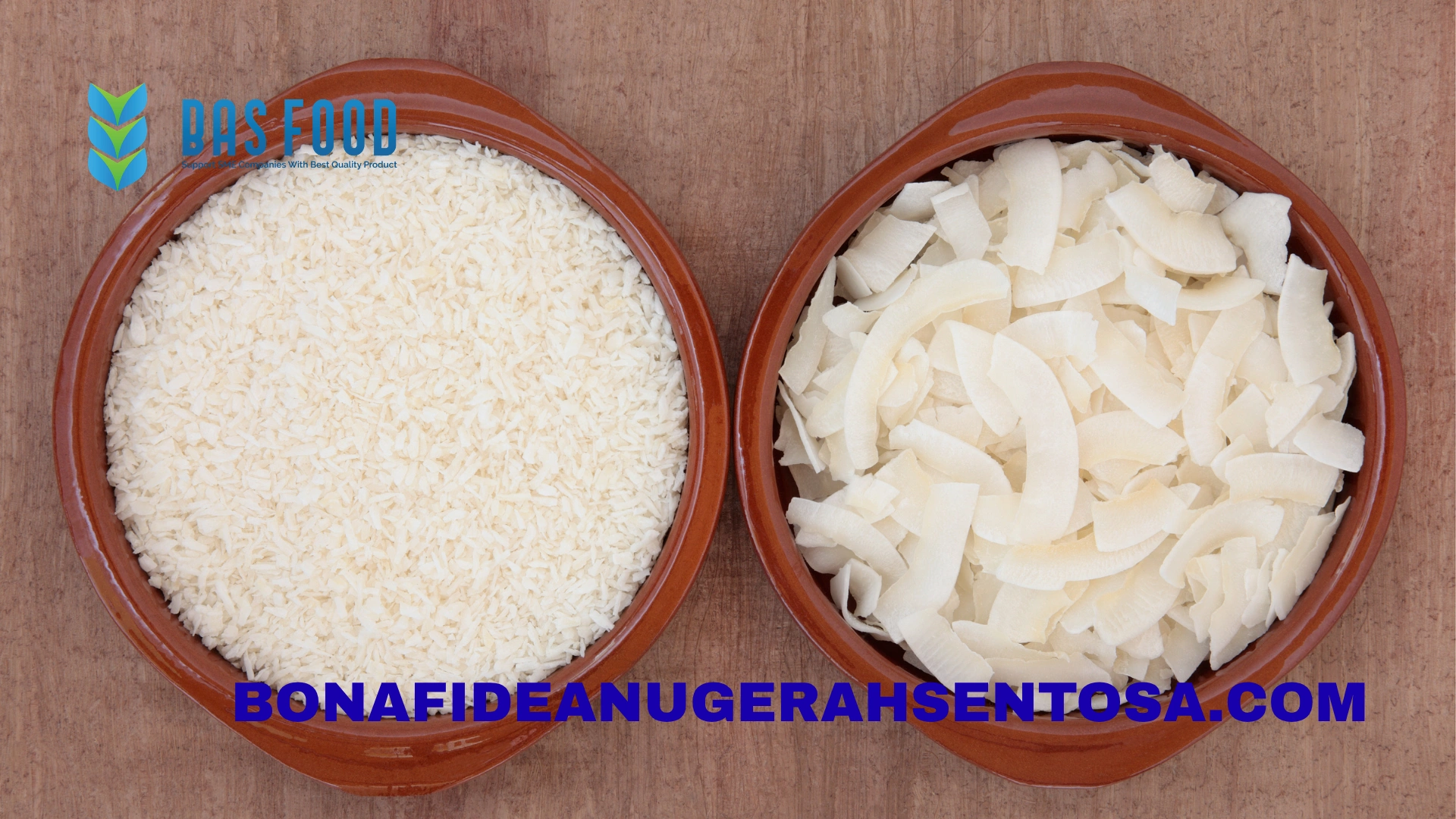
Desiccated coconut grades refer to the size and texture of dried coconut particles. Producers classify them after shredding and drying the coconut meat. These grades include fine, medium, and coarse cuts.
In addition, grading ensures consistency across batches. Food manufacturers rely on this consistency for predictable results. Without clear grading, production outcomes may vary.
How Desiccated Coconut Grades Are Produced
The grading process begins after drying the coconut meat. Producers use shredding machines to cut the coconut into different sizes. Then, they pass the product through sieves.
Next, sieving separates particles into specific categories. Fine particles pass through smaller mesh screens, while larger pieces remain. This step ensures uniform size distribution.
Fine Desiccated Coconut: Smooth and Uniform
Fine desiccated coconut has the smallest particle size. It looks powdery and blends easily into mixtures. Because of this, it works well in baked goods and fillings.
Moreover, fine grades absorb moisture quickly. This property helps create smooth textures in cakes and cookies. However, it also means careful storage is important to avoid clumping.
Medium Desiccated Coconut: Balanced Texture and Function
Medium desiccated coconut offers a balance between fine and coarse cuts. Its particle size is larger than fine but still manageable for most applications. Therefore, it is one of the most commonly used grades.
In addition, medium grades provide both texture and binding properties. They work well in snack bars, cereals, and confectionery products. This versatility makes them a popular choice for manufacturers.
Coarse Desiccated Coconut: Texture and Visual Appeal
Coarse desiccated coconut has the largest particle size. It provides a noticeable texture and visual presence in food products. For example, it is often used as a topping.
Furthermore, coarse grades retain their structure during processing. This makes them ideal for decorative or crunchy applications. As a result, they are widely used in bakery and dessert products.
Key Differences Between Fine, Medium, and Coarse Cuts
The main difference between desiccated coconut grades lies in particle size. Fine grades are small and powder-like, while coarse grades are larger and more defined. Medium grades sit in between.
Additionally, each grade behaves differently in recipes. Fine grades mix easily, while coarse grades add texture. Therefore, selecting the right grade depends on the intended application.
Applications of Different Desiccated Coconut Grades
Fine desiccated coconut is ideal for baking. It blends smoothly into dough and batter. As a result, it creates soft and uniform textures.
On the other hand, medium grades work well in processed foods. They provide both structure and flavor. Meanwhile, coarse grades are best for toppings and decorative uses.
Moisture Content and Shelf Life Considerations
Moisture control is important for all desiccated coconut grades. Low moisture levels help extend shelf life and prevent spoilage. Therefore, producers aim for consistent drying.
However, different grades may react differently to moisture. Fine grades absorb moisture faster, while coarse grades are more stable. This difference affects storage and handling practices.
Quality Standards and Industry Specifications
Global markets require strict quality standards. Producers must meet specifications for moisture, color, and microbiological safety. These standards ensure safe and consistent products.
In addition, buyers often request detailed product specifications. These include particle size distribution and packaging details. Clear standards support smooth international trade.
Packaging and Storage for Different Grades
Proper packaging protects desiccated coconut from contamination and moisture. Manufacturers use sealed bags or vacuum packaging to maintain quality. This step is essential for export.
Storage conditions also play a key role. Cool and dry environments help preserve freshness. Therefore, careful handling ensures the product remains stable over time.
Common Challenges in Using Desiccated Coconut Grades
One challenge is selecting the wrong grade for a specific application. This can lead to texture issues or inconsistent results. Therefore, understanding grade differences is important.
Another challenge is maintaining consistency across batches. Variations in size or moisture can affect production. Reliable suppliers help reduce these risks.
Choosing the Right Desiccated Coconut Grade for Your Needs
Choosing the right grade depends on your product requirements. For smooth textures, fine grades work best. For balanced applications, medium grades are ideal.
Meanwhile, coarse grades suit products that need texture and visual appeal. By matching the grade to the application, manufacturers can achieve better results.
Conclusion: Why Understanding Grades Matters
Understanding desiccated coconut grades helps businesses improve product quality and consistency. Each grade offers unique benefits and applications.
By selecting the right grade and working with reliable suppliers, manufacturers can meet industry standards. In the end, this knowledge supports better production and stronger market performance.