
When it comes to weight loss, we’re often on the hunt for foods that can fill us up without filling us out. Desiccated coconut—essentially dried, shredded coconut—has been a hidden gem in many weight loss diets, but does it really help you shed those pounds? The answer might surprise you. In this article, I’ll walk you through what makes desiccated coconut a potential asset for weight loss, how to incorporate it into your routine, and what nutritionists really say about it. Get ready to dive into the unique properties and benefits of this tropical delight!
What is Desiccated Coconut?
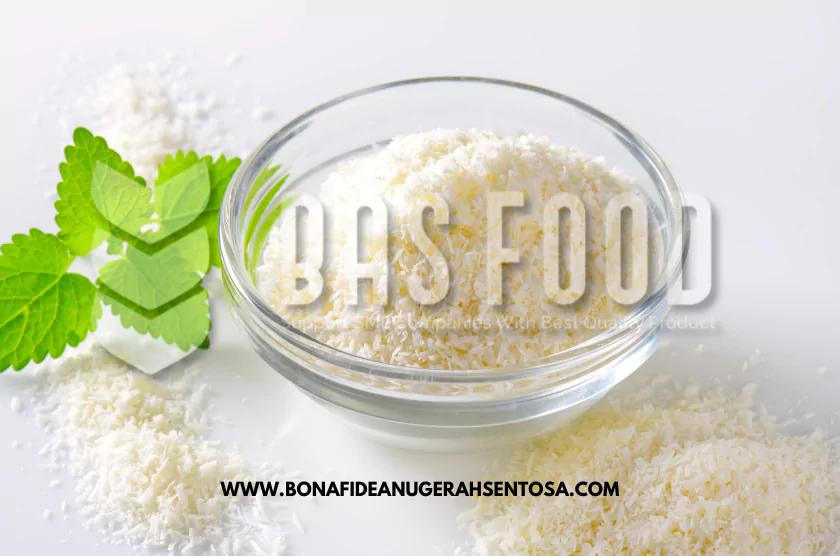
Desiccated coconut is simply coconut flesh that’s been shredded and dried. The drying process removes moisture, making it a long-lasting and convenient option to add a coconut flavor and a bit of healthy fat to your meals. Unlike coconut flour or coconut milk, desiccated coconut keeps much of its fiber and fat content, which is where its unique benefits for weight loss come into play.
Why Desiccated Coconut May Aid Weight Loss
1. Rich in Healthy Fats and Fiber
One of the primary reasons desiccated coconut can support weight loss is its content of healthy fats and fiber. Unlike unhealthy fats, the fats in coconut are mainly medium-chain triglycerides (MCTs), which have been shown to boost metabolism and increase the feeling of fullness. Essentially, they help you feel fuller for longer, which can prevent overeating. Plus, the fiber content helps regulate digestion and stabilize blood sugar levels, both crucial factors when aiming for sustainable weight loss.
2. Low Glycemic Index (GI)
Foods with a low glycemic index release glucose into the bloodstream slowly, helping to keep energy levels stable and reduce hunger pangs. Desiccated coconut ranks low on the GI scale, meaning it doesn’t cause a sharp spike in blood sugar. This makes it an ideal choice for people looking to manage their weight, especially those sensitive to sugar or dealing with insulin resistance.
Fun Fact: Some studies indicate that consuming low-GI foods can result in greater weight loss than just reducing overall calorie intake.
3. MCTs Can Boost Metabolism
The MCTs in desiccated coconut aren’t just any type of fat; they’re known to be easily absorbed and used as energy rather than being stored as fat. A study published in the Journal of Nutrition found that MCTs could increase energy expenditure and fat burning, aiding in weight loss more effectively than other fats.
4. Promotes Better Digestion and Gut Health
Good digestion is key to weight management, and fiber plays a huge role in this. The fiber in desiccated coconut helps prevent constipation and promotes healthy gut bacteria. Studies show that a well-balanced gut microbiome can significantly influence weight loss and help the body maintain a healthy metabolism.
5. Great Low-Calorie Snack Option
While you still need to be mindful of portion sizes, desiccated coconut is a great snack that can be incorporated into a low-calorie diet. The natural sweetness of coconut can help satisfy sugar cravings without the need for processed sugars or junk food. Use it to top oatmeal, yogurt, or smoothie bowls to add flavor and satiety with fewer calories.
6. Can Help Control Cravings
Often, weight loss challenges come from battling cravings. The natural sweetness and richness of coconut can help satisfy cravings, particularly for sweets, without loading up on empty calories. With fewer cravings, you’re less likely to stray from a healthy eating plan, keeping you on track with your weight loss goals.
How to Incorporate Desiccated Coconut into Your Diet for Weight Loss
If you’re looking to integrate desiccated coconut into your diet, here are some simple ways to get started:
- Smoothies: Add a tablespoon of desiccated coconut to smoothies for a creamy, tropical twist.
- Baked Goods: Replace some of the flour in baking recipes with desiccated coconut to add fiber and healthy fats.
- Oatmeal and Yogurt Topping: Sprinkle on top for added texture and flavor.
- Energy Balls: Mix desiccated coconut with nuts, oats, and a small amount of honey to make low-calorie, high-energy snacks.
- Coconut Crusted Proteins: Use it as a coating for chicken or fish to add crunch without breading.
Remember, moderation is key. Desiccated coconut is a calorie-dense food, so keeping portions in check is important for achieving weight loss goals.
Nutritional Profile of Desiccated Coconut
To get a clearer idea of why desiccated coconut could benefit weight loss, let’s take a quick look at its nutritional breakdown:
| Nutrient | Per 1 oz (28g) |
| Calories | 185 |
| Total Fat | 18g |
| Saturated Fat | 16g |
| Fiber | 5g |
| Protein | 2g |
| Carbohydrates | 7g |
It’s clear from this breakdown that desiccated coconut is relatively high in fat but also high in fiber, which can be advantageous for weight loss when consumed in moderation.
Potential Downsides of Using Desiccated Coconut for Weight Loss
While desiccated coconut has numerous health benefits, there are some considerations to keep in mind:
- High in Saturated Fat: Although MCTs in coconut can be beneficial, desiccated coconut is still high in saturated fats. Consuming too much could affect heart health in the long term. Balance it with other unsaturated fats from foods like avocados, nuts, and olive oil.
- Calorically Dense: Desiccated coconut is relatively calorie-dense, meaning even a small portion packs a lot of calories. To avoid overdoing it, try to limit your intake to a tablespoon or two as a topping or ingredient in meals.
- May Not Be Suitable for All Diets: Those with specific dietary restrictions, such as low-fat diets, may need to limit or avoid desiccated coconut due to its high fat content.
Pro Tip: Consult with a nutritionist if you’re unsure about incorporating desiccated coconut into your diet, especially if you have specific health conditions.
Is Desiccated Coconut Right for You?
So, is desiccated coconut the miracle weight-loss food you’ve been searching for? Well, it’s certainly a valuable addition to a balanced diet and can play a role in weight loss when used properly. With its healthy fats, fiber, and metabolism-boosting properties, it offers more than just flavor to your dishes. But, like with all foods, balance is key. Try experimenting with small amounts in your diet and see how it affects your energy and cravings.
Conclusion: Desiccated Coconut as a Weight-Loss Ally
In the end, desiccated coconut can be a tasty and nutritious addition to your weight loss journey. It’s not a magic bullet, but its unique properties like MCTs, fiber, and low glycemic index make it a versatile and valuable ingredient to help you stay on track. Remember, sustainable weight loss is about building habits with foods that satisfy and nourish you—so don’t be afraid to enjoy some desiccated coconut on your oats, smoothies, or even in baked goods.
Want to share your favorite way to enjoy desiccated coconut? Drop a comment below or explore our other articles to keep learning about foods that support a healthy lifestyle.