
Ever wondered how your favorite coconut-flavored snacks get that rich, tropical taste? The answer lies in one key ingredient: desiccated coconut for snacks. Not only does it add flavor, but this versatile ingredient also enhances texture, nutritional value, and shelf life. So, why is desiccated coconut such a game-changer in the snack industry? Well, let me tell you — it’s more than just the taste!
In this article, we’ll dig into how desiccated coconut is used in snack manufacturing, explore the reasons why it’s so popular, and uncover the benefits it brings to the table. If you’ve ever been curious about the journey from coconut to snack aisle, buckle up because we’re diving into it!
What is Desiccated Coconut?
The Basics of Desiccated Coconut
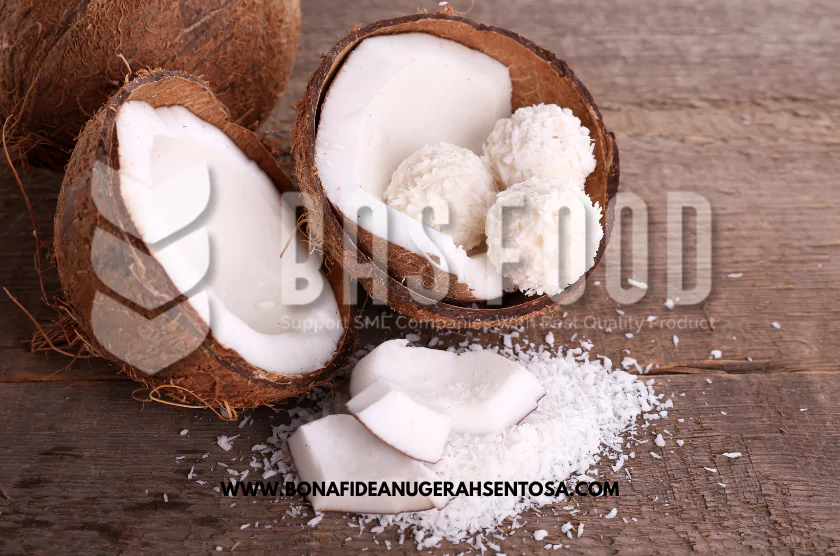
Desiccated coconut is simply fresh coconut meat that’s been grated, dried, and sometimes ground to different levels of coarseness. This process retains the coconut’s natural flavors and nutritional value, minus the water content. It’s a common ingredient in both sweet and savory snacks, ranging from cookies and energy bars to granola mixes.
Types and Grades of Desiccated Coconut
Not all desiccated coconut is created equal. The snack industry uses various types depending on texture and intended flavor. Here’s a breakdown of the main types:
- Fine Desiccated Coconut – For smooth textures in treats like energy bites or protein bars.
- Medium Desiccated Coconut – Often used in granola or as a topping for baked goods.
- Coarse Desiccated Coconut – Great for coatings, providing a crispy texture to snack bars or truffles.
- Each type serves a unique purpose, giving snack manufacturers flexibility in creating different textures and experiences.
Why Desiccated Coconut is Essential in Snack Manufacturing
1. Flavor and Aroma
Nothing quite compares to the natural, slightly sweet, and aromatic taste of coconut. Desiccated coconut is packed with flavor that’s released even more when it’s toasted or combined with other ingredients. Its tropical profile can elevate both sweet and savory snacks, making it a favorite choice for brands looking to bring an exotic twist to their products.
2. Texture and Crunch Factor
Desiccated coconut offers an appealing texture that can transform a snack. For instance:
- In chocolate bars: Adds crunch and balance to the sweetness.
- In granola and trail mixes: Provides a chewy, satisfying element.
- As a coating: Adds a crispy, toasted outer layer.
This texture versatility helps manufacturers cater to different taste preferences, whether it’s a chewy energy bar or a crispy coconut chip.
3. Nutritional Value
Coconuts are known for their impressive nutritional profile. Desiccated coconut, in particular, is high in healthy fats, fiber, and several essential minerals:
- Healthy Fats: MCTs (Medium-Chain Triglycerides) that are great for sustained energy.
- Fiber: Supports digestion and keeps you feeling full longer.
- Iron and Magnesium: Important for energy production and muscle function.
Many consumers are drawn to snacks that provide real nutritional benefits, and desiccated coconut is perfect for these health-conscious audiences.
4. Shelf Stability
One reason desiccated coconut is popular among snack manufacturers is its shelf stability. Once dried, it has a significantly longer shelf life than fresh coconut, making it ideal for mass production and storage. This helps reduce waste and ensures that snacks stay fresh for longer on store shelves.
How Desiccated Coconut is Used in Popular Snack Categories
1. Energy Bars and Protein Bites
Desiccated coconut is a staple in energy bars and protein bites. It’s used not only for flavor but also for its chewy texture and the energy boost from its healthy fats. Many protein bar brands mix desiccated coconut with ingredients like nuts, dates, and protein powder for a nutritious and filling snack.
2. Cookies and Baked Goods
When it comes to baked goods, desiccated coconut shines as a key ingredient in everything from macaroons to coconut-crusted cookies. Here’s why:
- It adds a light, tropical taste without overpowering other flavors.
- When toasted, it gives a rich, caramelized flavor that enhances the overall experience.
- Whether used in dough or as a topping, desiccated coconut brings a unique flavor profile that appeals to a wide range of consumers.
3. Granola and Trail Mixes
In granola and trail mixes, desiccated coconut is often used in its medium or coarse forms to add variety to the mix. Its chewy texture pairs well with nuts, dried fruit, and seeds, creating a balanced snack that’s both nutritious and flavorful.
4. Chocolate and Confectionery
Desiccated coconut is a popular inclusion in chocolate bars, particularly those with a tropical or nutty theme. It pairs perfectly with dark chocolate, adding not only flavor but also a satisfying texture. Some brands use it as a filling, while others sprinkle it on top for visual appeal and added crunch.
5. Savory Snacks and Seasoned Coatings
While coconut is traditionally associated with sweetness, it’s also increasingly found in savory snacks. Desiccated coconut can be mixed with spices and used as a coating for nuts or crackers. For instance, a coconut-curry flavored coating on nuts or chips creates a snack that’s exotic and unique, catering to adventurous eaters.
Nutritional and Health Benefits of Desiccated Coconut in Snacks
Rich in MCTs (Medium-Chain Triglycerides)
The MCTs found in desiccated coconut are known for their quick energy boost and metabolic benefits. Unlike other fats, MCTs are quickly absorbed and used by the liver for energy, making them a popular choice in snacks aimed at active or health-conscious consumers.
Supports Digestive Health
With its high fiber content, desiccated coconut aids in digestion and can help prevent constipation. Fiber is a crucial nutrient for gut health, and adding it to snacks is a great way for people to meet their daily intake goals.
Gluten-Free and Vegan-Friendly
Desiccated coconut is naturally gluten-free and plant-based, which makes it a great choice for gluten-free and vegan snacks. As more people adopt these dietary preferences, ingredients like desiccated coconut offer snack brands an accessible, inclusive option that appeals to diverse dietary needs.
Trends in Snack Manufacturing with Desiccated Coconut
Clean Labeling and Natural Ingredients
Consumers are more aware than ever of what goes into their food. The demand for “clean” labels — free from artificial ingredients and preservatives — has driven brands to seek out natural ingredients like desiccated coconut. It’s seen as a “real food” ingredient that’s wholesome and unprocessed, aligning well with current health trends.
Global Flavors and Fusion Snacks
The trend of global flavors has pushed desiccated coconut into the spotlight, especially in fusion snacks that blend tropical or exotic tastes with familiar formats. From coconut and chili popcorn to coconut curry nut mixes, brands are experimenting with flavor combinations to appeal to adventurous snackers.
Sustainable Sourcing and Transparency
As environmental awareness grows, consumers are paying more attention to where ingredients come from. Sustainable sourcing practices for coconuts can attract eco-conscious consumers, making desiccated coconut an appealing ingredient for brands that prioritize transparency and sustainability.
Conclusion: Embracing the Coconut Craze in Snack Manufacturing
Desiccated coconut has proven itself as a powerhouse ingredient in the snack industry, bringing a combination of flavor, texture, nutrition, and sustainability. Whether in sweet treats or savory snacks, its versatility keeps it in demand, and its health benefits make it popular with consumers who care about what they eat. So next time you enjoy a coconut-infused snack, remember that a lot of thought and care went into crafting that tasty bite!