
Ever wondered what ingredient adds a punch of flavor and nutrition to gluten-free products? Desiccated coconut might be the answer. With the growing demand for gluten-free foods, food manufacturers are constantly looking for ingredients that don’t just avoid gluten, but also add flavor, texture, and nutrients. And that’s where desiccated coconut shines.
In this article, we’ll dive into everything you need to know about why desiccated coconut is ideal for gluten-free product manufacturing. From its health benefits to its practical uses and sustainability, we’ll unpack why it’s the top choice for food manufacturers everywhere.
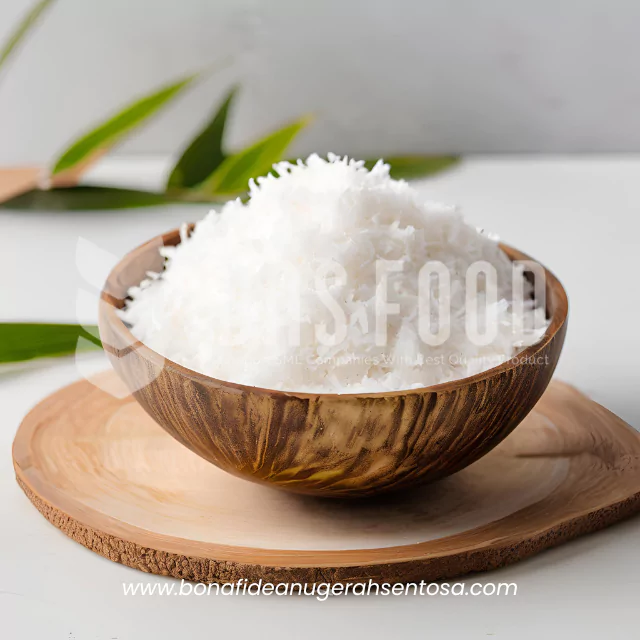
What is Desiccated Coconut?
Before we dive in, let’s get on the same page about desiccated coconut. Simply put, it’s the dried, finely grated meat of a mature coconut. The drying process removes moisture while preserving essential nutrients, making it an easy-to-store and nutrient-rich ingredient.
Desiccated coconut comes in various forms, ranging from coarse to fine, and is packed with healthy fats, fiber, and minerals. For those in the gluten-free product manufacturing industry, it serves as a versatile, nutrient-dense ingredient that complements an array of products, from baked goods to snack bars.
The Gluten-Free Trend and the Need for Reliable Ingredients
The popularity of gluten-free diets has skyrocketed in recent years. Whether due to celiac disease, gluten intolerance, or personal preference, millions are ditching gluten and looking for safer, healthier alternatives. However, gluten-free doesn’t always mean nutritious. Many gluten-free products lack fiber and essential nutrients because traditional gluten sources like wheat provide them.
This is where desiccated coconut steps in as a superstar. Not only does it offer an ideal gluten-free solution, but it also packs nutrients that many gluten-free products lack.
Why Desiccated Coconut Stands Out for Gluten-Free Manufacturing
1. Nutrient-Dense and Flavorful
Desiccated coconut brings flavor and nutrition to the table. Unlike many gluten-free flours that can be bland, coconut’s natural sweetness enhances product taste without added sugars. Its rich, tropical flavor appeals to consumers and adds a unique twist to otherwise ordinary gluten-free items.
Key Nutritional Benefits:
- Fiber: Boosts digestion, often lacking in gluten-free diets.
- Healthy Fats: Provides MCTs (Medium Chain Triglycerides) that offer a quick energy source.
- Minerals: Contains potassium, iron, and magnesium.
2. Texture and Versatility
Desiccated coconut provides a satisfying texture and moisture that’s essential for gluten-free products, which are often prone to dryness. Its fine consistency also allows for smooth blending into various products, including:
- Baked Goods: Adds fluffiness and moisture to cakes, cookies, and muffins.
- Snack Bars: Provides chewiness and binding, keeping bars intact without crumbling.
- Granola and Trail Mixes: A nutritious addition that provides flavor and chew.
3. Low Glycemic Index (GI)
Many gluten-free flours have a high glycemic index, leading to blood sugar spikes. Desiccated coconut, however, has a low glycemic index, making it an excellent option for diabetic-friendly gluten-free products. The low GI combined with high fiber content helps maintain stable blood sugar levels, making it attractive to health-conscious consumers.
Supporting Data: Consumer Demand and Market Insights
The global desiccated coconut market size was estimated at USD 9,774.7 million in 2023 and is projected to grow at a CAGR of 3.6% from 2024 to 2030.
Roughly 32% of Americans actively look for gluten-free options, even if they don’t have a gluten intolerance.
With this level of demand, food manufacturers are under pressure to deliver high-quality, nutritious, and versatile gluten-free products. Desiccated coconut ticks all these boxes and more.
The Environmental and Economic Benefits of Desiccated Coconut
- Sustainable Sourcing
Coconuts are typically grown in tropical regions, which promotes biodiversity and requires less water compared to traditional wheat or grain crops. Desiccated coconut production has a smaller environmental footprint, and coconut trees contribute to soil stability in tropical areas. - Cost-Effectiveness
Since desiccated coconut is shelf-stable, it has a longer storage life compared to fresh coconut. Manufacturers benefit from reduced waste and a more consistent ingredient supply, which is especially helpful in large-scale gluten-free product manufacturing.
How to Incorporate Desiccated Coconut in Gluten-Free Products
Incorporating desiccated coconut into gluten-free recipes can transform product profiles. Here are a few product types that benefit:
- Gluten-Free Breads: Mixing desiccated coconut with coconut flour adds softness and flavor.
- Cakes and Pastries: Its natural sweetness reduces the need for additional sugar.
- Energy Bars: Adds chewiness and helps bind ingredients naturally.
- Breakfast Foods: Perfect for gluten-free granola and pancake mixes, adding a tropical twist.
- Consumer Perspective: Why Desiccated Coconut Appeals to the Health-Conscious
Many consumers following a gluten-free lifestyle are also looking for low-sugar, high-nutrient options. Desiccated coconut meets these criteria by offering an all-natural, unrefined source of fiber, healthy fats, and minerals. Unlike processed gluten-free alternatives, desiccated coconut has minimal ingredients, making it a clean, single-source option.
“Desiccated coconut is a fantastic ingredient for gluten-free products. It adds texture and flavor without compromising on health,” – Jamie Lee, a nutrition expert and food scientist.
FAQ on Desiccated Coconut for Gluten-Free Manufacturing
Q: Can desiccated coconut replace wheat flour entirely?
A: Not exactly. Desiccated coconut adds moisture and flavor but lacks the binding properties of wheat. Mixing it with other gluten-free flours works best for baking.
Q: Does desiccated coconut alter the taste of products?
A: Yes, it adds a mild, natural sweetness which enhances gluten-free products, especially those meant to be sweet.
Q: Is desiccated coconut safe for people with nut allergies?
A: Generally, yes. Coconuts are classified as drupes, not nuts, but individuals with severe allergies should always consult a healthcare provider.
Conclusion
In summary, desiccated coconut brings a blend of health benefits, texture, and flavor that’s hard to match for gluten-free product manufacturing. From adding moisture to boosting fiber content, its versatility meets consumer demand for nutritious, gluten-free alternatives. As the gluten-free market continues to grow, desiccated coconut stands out as an essential ingredient for any manufacturer looking to stay competitive.
Are you ready to take your gluten-free products to the next level? Share your thoughts in the comments, or explore other articles for more gluten-free insights!