
Coconut water nutrition plays a critical role in beverage formulation and ingredient evaluation. For R&D teams and formulators, understanding coconut water nutrition helps define stability, taste balance, mineral content, and processing suitability. Therefore, a clear technical breakdown supports better product development decisions.
This article examines composition data, regulatory considerations, processing impact, and quality control parameters relevant to industrial applications.
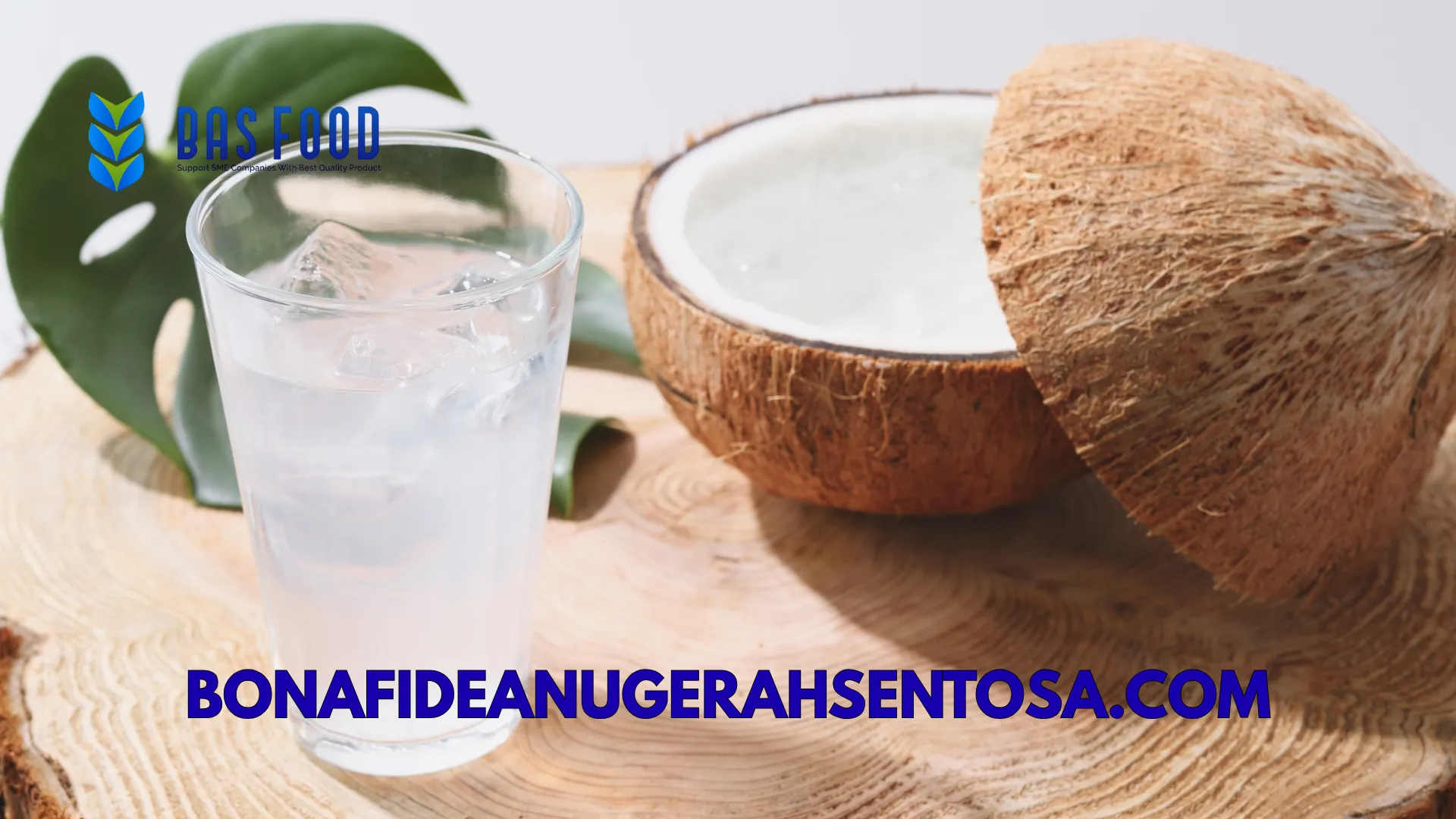
Understanding Coconut Water Nutrition in Raw Form
Fresh coconut water is the clear liquid found inside young green coconuts. Its composition primarily includes water, simple carbohydrates, minerals, and small amounts of amino acids. However, nutrient levels vary depending on maturity stage and origin.
From a formulation perspective, coconut water nutrition typically reflects a Brix range of 4.5 to 6.5. In addition, natural sugars such as glucose and fructose contribute to mild sweetness without dominating flavor systems.
Macronutrient Composition
Coconut water contains minimal fat and negligible protein. Therefore, it functions as a light beverage base rather than a macronutrient-dense ingredient.
Carbohydrates represent the primary nutritional component. These carbohydrates consist mainly of simple sugars, which influence osmotic balance and sensory perception in finished beverages.
Mineral Profile and Electrolyte Balance
Potassium as the Dominant Mineral
Potassium is the most abundant mineral in coconut water. Typical values range between 150–250 mg per 100 ml, depending on maturity. As a result, this mineral contributes to its positioning in hydration-focused beverages.
Sodium, Magnesium, and Calcium
Sodium levels remain relatively low compared to potassium. Meanwhile, magnesium and calcium appear in smaller concentrations but still influence mineral labeling. Consequently, formulators must confirm batch-specific laboratory analysis before nutritional declaration.
Natural Sugars and Brix Considerations
Coconut water nutrition includes naturally occurring glucose and fructose. These sugars affect sweetness intensity and fermentation stability. Therefore, sugar composition analysis supports shelf-life planning.
Moreover, Brix measurement determines whether the product meets beverage base specifications. When manufacturers use concentrate, they must adjust dilution ratios to reach target Brix values.
Amino Acids and Minor Compounds
Although protein levels are low, coconut water contains trace amino acids such as alanine and arginine. These compounds may influence flavor stability during heat treatment.
In addition, small amounts of organic acids contribute to pH balance. Typical pH ranges from 4.5 to 5.5, which affects microbial control strategies in beverage production.
Variability Based on Harvest and Origin
Coconut maturity directly influences coconut water nutrition. Younger coconuts often contain higher sugar levels, while mature coconuts may show diluted mineral concentration. Therefore, harvest timing affects formulation consistency.
Geographical origin also plays a role. Soil conditions, rainfall, and cultivar selection can create measurable differences in nutrient composition. For industrial buyers, origin traceability reduces formulation risk.
Impact of Processing on Nutritional Integrity
Industrial processing includes filtration, pasteurization, and aseptic filling. These steps ensure microbiological safety while maintaining nutrient stability. However, excessive thermal exposure may slightly alter sensory characteristics.
When producing concentrate, evaporation increases solids content. Consequently, reconstitution accuracy becomes essential to maintain consistent coconut water nutrition in final applications.
Regulatory Framework for Nutritional Declaration
Food manufacturers must declare nutrient values according to destination market regulations. In the European Union, labeling follows standardized nutrition tables. In the United States, the FDA defines format and rounding rules.
Therefore, exporters must provide verified laboratory data. Clear documentation supports compliance and reduces customs delays.
Quality Control and Laboratory Testing
Accurate coconut water nutrition data requires validated testing methods. Laboratories typically measure Brix, pH, total sugars, and mineral content using standardized procedures.
Furthermore, microbiological analysis ensures product safety. These controls align with global food safety systems such as HACCP and ISO-based quality management frameworks.
Storage, Stability, and Shelf-Life Implications
Aseptic packaging protects product integrity without refrigeration. However, temperature control during warehousing still improves stability. Therefore, exporters often implement structured logistics systems.
This practice mirrors cold chain logistics used in seafood exports such as tuna species including skipjack, yellowfin, and bluefin. Experience in handling perishable commodities strengthens overall export discipline.
Risk Factors in Industrial Application
Variability in mineral concentration may affect flavor consistency in large beverage runs. Therefore, long-term supply agreements should include defined nutritional specifications.
In addition, improper dilution of concentrate can distort labeling accuracy. R&D teams must validate reconstitution procedures before commercial scaling.
Best Practices for R&D Teams and Importers
First, request full nutritional analysis for each production batch. Second, confirm regulatory alignment with target markets. Third, evaluate whether single-strength or coconut water concentrate best fits your process design.
Working with exporters experienced in international compliance reduces operational uncertainty. CV Bonafide Anugerah Sentosa, an Indonesian exporter, manages coconut-based products alongside seafood such as tuna, spices, and cocoa products. This diversified portfolio requires strict quality control, documentation accuracy, and adherence to global trade standards.
Such cross-sector export experience strengthens reliability for beverage manufacturers seeking stable ingredient supply.
Linking Composition to Formulation Strategy
Coconut water nutrition directly affects sweetness balance, mineral labeling, and beverage positioning. Therefore, formulators should integrate nutritional data early in product development cycles.
In addition, controlled sourcing supports consistency across production batches. Reliable exporters with strong compliance systems simplify this process.
Conclusion
Coconut water nutrition provides measurable value for industrial beverage formulation. Its carbohydrate profile, mineral composition, and mild sensory characteristics make it a versatile base ingredient.
However, successful application depends on accurate laboratory data, regulatory compliance, and disciplined processing controls. When R&D teams evaluate composition carefully, they reduce risk and improve formulation efficiency.
FAQ Section
1. What is the average potassium level in coconut water?
Potassium typically ranges between 150–250 mg per 100 ml, depending on maturity and origin.
2. Does processing reduce coconut water nutrition?
Standard pasteurization maintains most nutrients, although excessive heat may slightly affect flavor and minor compounds.
3. How does Brix relate to coconut water nutrition?
Brix measures soluble solids, mainly sugars. It helps determine sweetness level and formulation consistency.
4. Is coconut water concentrate nutritionally different from single-strength?
Concentrate has higher solids due to water removal. After proper reconstitution, nutritional values should align with single-strength specifications.
5. Why does origin affect nutritional composition?
Climate, soil conditions, and coconut variety influence mineral and sugar levels, which can alter batch characteristics.
Contact CV Bonafide Anugerah Sentosa how we can provide the best solutions for you. WhatsApp: +62 8213 4505 737, Email: info@bonafideanugerahsentosa.com / bas.mdir@gmail.com.