
Coconut water for beverage manufacturing has become a strategic ingredient for functional drink brands seeking clean-label positioning and natural flavor profiles. Beverage developers value its mild taste, versatility, and compatibility with various formulations. However, successful integration depends on quality control, regulatory alignment, and reliable export supply.
This guide explains how coconut water supports functional beverage innovation. It also outlines sourcing considerations, compliance factors, and formulation best practices for brand owners and product developers.
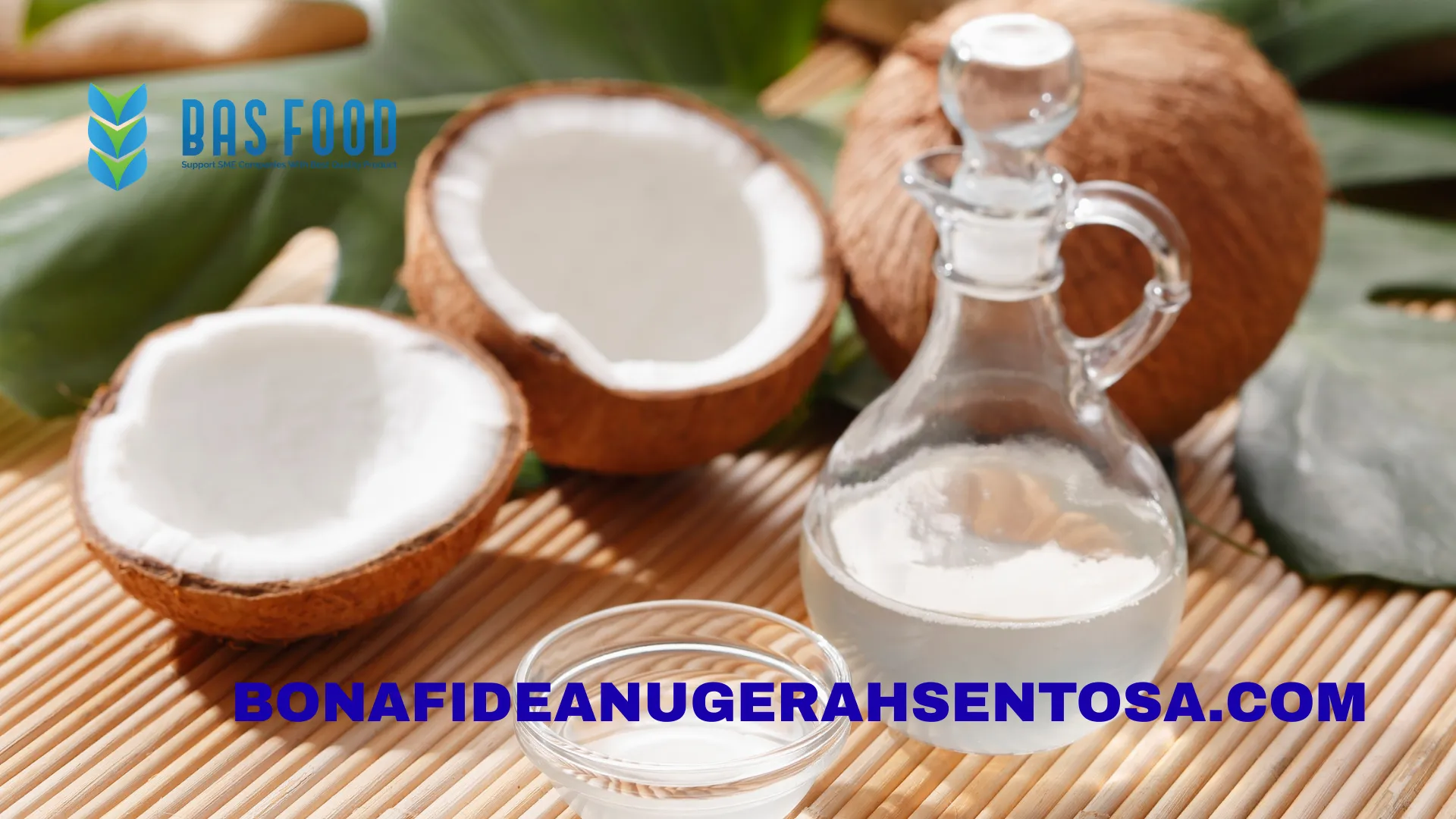
Why Coconut Water for Beverage Manufacturing Is Growing
Functional beverage markets continue to expand across hydration, sports drinks, and plant-based segments. As a result, brands seek ingredients that support simple labeling and transparent sourcing.
Coconut water for beverage manufacturing offers neutral sweetness and light body. Therefore, formulators can combine it with botanical extracts, fruit blends, or plant proteins without overpowering the final profile.
Moreover, global coconut production, especially in Indonesia, ensures scalable supply. This matters for brands planning multi-market launches.
Ingredient Formats for Industrial Use
Before finalizing procurement, brands must select the right format. Each format influences stability, cost structure, and logistics planning.
Bulk Aseptic Coconut Water
Aseptic packaging supports ambient storage. Manufacturers often use this format for high-volume blending lines. It simplifies handling and reduces cold chain dependency.
Frozen Coconut Water
Frozen format preserves original characteristics. However, it requires strict temperature control. Brands must confirm reefer container management during export transit.
Coconut Water Concentrate
Concentrate reduces freight cost and storage space. It allows flexible reconstitution ratios during formulation. Brands interested in this option can review our coconut water concentrate page for technical specifications.
Formulation Considerations for Functional Drinks
Product developers must balance taste, acidity, and sweetness. Coconut water naturally contributes light sweetness and minerals, which can support isotonic positioning. However, brands should avoid unsupported consumer health claims.
Additionally, pH stability plays a role in shelf life. Developers should conduct compatibility testing with added ingredients such as caffeine, adaptogens, or fruit purees.
Clear specification sheets from suppliers support consistent batch performance. Therefore, request Brix levels, microbiological data, and filtration details before scaling production.
Regulatory Framework and Labeling Compliance
When using coconut water for beverage manufacturing, brands must comply with destination market regulations. Label declarations vary between the United States, the European Union, and Asia-Pacific markets.
For example, ingredient listing rules and additive approvals differ by region. Therefore, regulatory review should occur during product development, not after packaging design.
Exporters must also provide documentation aligned with international food safety standards. This includes health certificates and origin verification for cross-border shipments.
Quality Control and Food Safety Standards
Reliable coconut water supply begins with structured quality management. Suppliers should implement HACCP systems and documented hazard analysis procedures.
Experience in seafood exports, including regulated tuna species, often strengthens internal compliance culture. Handling temperature-sensitive fish requires strict sanitation, traceability, and cold chain discipline. The same systems benefit coconut-based ingredient exports.
CV Bonafide Anugerah Sentosa applies international standards across coconut products, spices, cocoa derivatives, and Bluefin Tuna shipments. This diversified portfolio supports consistent documentation and export accuracy.
Cold Chain and Logistics Planning
Logistics strategy depends on product format. Frozen shipments require continuous temperature monitoring. Aseptic cargo, in contrast, allows more flexible container arrangements.
However, both formats demand pre-shipment inspection and proper sealing procedures. Brands should request container condition reports before dispatch.
Exporters familiar with seafood export regulations understand time-sensitive logistics. Their experience in cold chain management reduces risk for beverage ingredient shipments.
International Trade Compliance and Documentation
Functional beverage brands operating across borders must review trade documentation early. Standard documents include commercial invoices, packing lists, and certificates of origin.
Additionally, food safety authorities may require health certificates and laboratory reports. Early document verification reduces customs delays and protects production schedules.
Brands sourcing from Indonesia should confirm exporter registration and compliance status. Structured documentation builds confidence with import managers and regulatory teams.
Supply Chain Risks to Consider
Ingredient sourcing carries operational risks. Delays in documentation, incorrect labeling, or inconsistent raw material quality can disrupt launch timelines.
Moreover, fluctuating harvest cycles may influence supply volume. Therefore, brands should establish clear forecasting agreements with suppliers.
Diversified exporters with multi-category experience often maintain stronger internal control systems. This reduces supply disruption risk.
Best Practices for Beverage Brands
First, align technical specifications before confirming contracts. Clear agreements prevent reformulation costs later.
Second, conduct pilot-scale trials using production-grade samples. This ensures realistic performance in blending systems.
Third, maintain open communication with exporters about forecast volumes. Transparent collaboration supports stable supply planning.
Brands seeking structured export coordination can work with experienced Indonesian partners such as CV Bonafide Anugerah Sentosa. The company supports global buyers with documented compliance processes and consistent quality control.
Building Long-Term Ingredient Partnerships
Long-term sourcing relationships improve cost stability and operational predictability. Strategic agreements also secure production allocation during high-demand periods.
Furthermore, regular audits and performance reviews strengthen accountability. Beverage brands that treat ingredient suppliers as partners often achieve smoother expansion across markets.
Coconut water for beverage manufacturing offers flexibility and scalability. However, success depends on regulatory readiness, quality discipline, and transparent communication.
Conclusion
Coconut water for beverage manufacturing provides functional drink brands with a versatile and scalable ingredient option. Its compatibility with modern formulations supports clean-label positioning and global expansion.
Nevertheless, brands must prioritize compliance, quality assurance, and logistics coordination. Careful supplier evaluation reduces operational risk and protects brand reputation.
With structured export systems and international standards alignment, Indonesian suppliers can support beverage innovation across regulated markets.
FAQ Section
1. What format is best for beverage manufacturing?
The best format depends on your production system. Aseptic bulk suits high-volume blending, while concentrate reduces freight cost.
2. Does coconut water require refrigerated transport?
Frozen format requires reefer containers. Aseptic packaging can ship under ambient conditions.
3. What documents are required for international sourcing?
Common documents include a commercial invoice, packing list, certificate of origin, and health certificate.
4. How do brands ensure consistent quality?
Brands should review HACCP systems, laboratory reports, and batch traceability records before confirming orders.
5. Can coconut water be used in functional drink blends?
Yes, many brands integrate it with botanicals, fruit extracts, and plant-based ingredients after stability testing.
Contact CV Bonafide Anugerah Sentosa how we can provide the best solutions for you. WhatsApp: +62 8213 4505 737, Email: info@bonafideanugerahsentosa.com / bas.mdir@gmail.com.