
When evaluating coconut water and coconut water concentrate, importers must consider cost structure, logistics efficiency, and regulatory alignment. Both formats serve beverage manufacturers and food processors. However, each format impacts freight cost, storage conditions, and production flexibility differently.
This guide compares coconut water and concentrate from a procurement and export trade perspective. It helps industrial buyers choose the format that best fits their supply chain model.
Understanding Coconut Water vs Coconut Water Concentrate
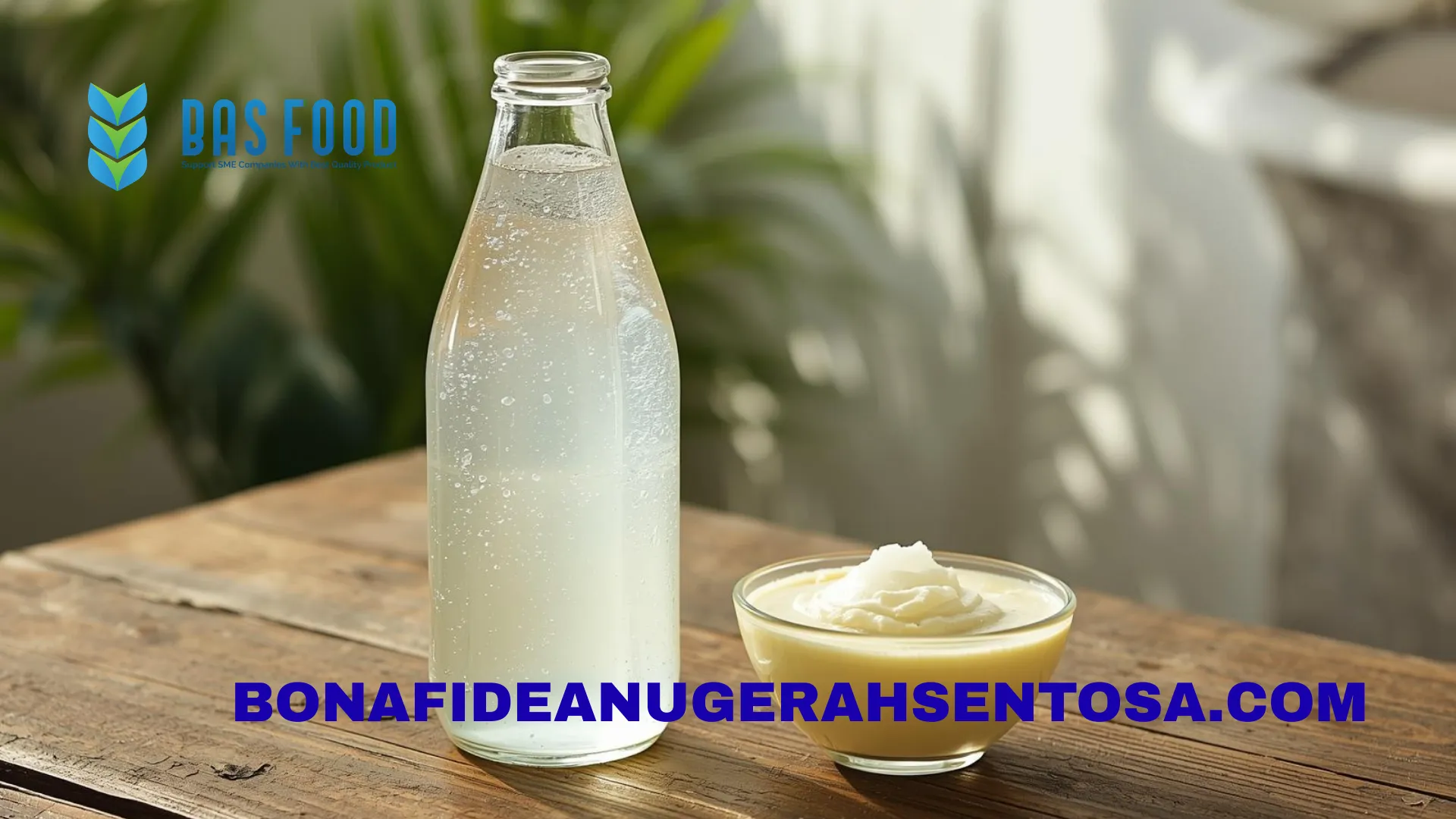
Coconut water in its natural form is extracted and filtered before packaging. It retains its original Brix level and composition. Manufacturers often use it in ready-to-drink beverages or direct blending.
Coconut water concentrate, in contrast, undergoes water removal through evaporation. This process increases Brix levels and reduces volume. Buyers later reconstitute it to the desired concentration during production.
Therefore, the choice depends on transport economics and processing capability.
Processing Differences and Technical Characteristics
The technical distinction between coconut water vs coconut water concentrate begins at processing stage. Natural coconut water requires filtration and pasteurization before aseptic or frozen packaging.
Concentrate requires additional evaporation under controlled conditions. This step demands precise temperature control to maintain flavor integrity. As a result, concentrate production requires advanced equipment and strict quality monitoring.
Both formats must comply with HACCP systems and documented hazard analysis protocols.
Freight Cost and Shipping Efficiency
Freight cost often drives procurement decisions. Natural coconut water contains high water content, which increases shipping weight and container utilization.
Concentrate significantly reduces volume. Therefore, importers can optimize container space and reduce freight cost per metric ton. This advantage becomes more relevant for long-distance exports.
However, buyers must calculate reconstitution cost at destination. A full landed cost comparison ensures accurate budgeting.
Storage and Shelf Life Considerations
Storage conditions differ between formats. Aseptic coconut water may store at ambient temperature if packaged properly. Frozen format requires reefer containers and cold storage.
Concentrate usually ships aseptically or frozen, depending on specification. In both cases, warehouse planning must align with format selection.
Exporters with experience in cold chain logistics, including temperature-sensitive tuna species shipments, understand strict storage management. This expertise supports stable coconut-based exports.
Regulatory and Documentation Implications
Regulatory compliance applies to both formats equally. Export documentation typically includes commercial invoices, packing lists, certificates of origin, and health certificates.
However, product description accuracy matters when comparing coconut water vs coconut water concentrate. Incorrect HS codes may create customs delays.
International trade compliance also requires batch traceability. Authorities in the United States and the European Union often review food safety documentation before clearance.
Application in Beverage Manufacturing
Beverage manufacturers often prefer concentrate for high-volume operations. It allows flexible formulation and blending adjustments.
Natural coconut water, on the other hand, simplifies processing because it does not require dilution. Smaller facilities may choose this format to reduce operational steps.
R&D teams should conduct pilot trials before finalizing format selection. Stability testing remains essential for both options.
Supply Chain Risk Assessment
Each format carries distinct risk factors. Natural coconut water increases freight exposure due to larger shipment volume.
Concentrate reduces shipping frequency but increases dependence on reconstitution accuracy. Therefore, production teams must control dilution ratios carefully.
Reliable exporters reduce operational risk by maintaining structured documentation and batch control systems.
Quality Control and International Standards
Both formats must meet international food safety standards. Suppliers should operate under HACCP and ISO-based management systems.
Experience in seafood export regulations strengthens compliance culture. Companies handling regulated tuna species and temperature-sensitive products typically maintain advanced traceability systems.
CV Bonafide Anugerah Sentosa applies structured export compliance across coconut products, spices, cocoa derivatives, and Bluefin Tuna shipments. This diversified export background supports consistent documentation and quality monitoring.
Environmental and Sustainability Considerations
Freight efficiency influences environmental impact. Concentrate reduces shipping weight and container use. Therefore, it may lower transportation emissions per unit of finished product.
However, evaporation requires additional energy during processing. Buyers should evaluate total environmental footprint across production and logistics stages.
Transparent supplier communication helps importers align sustainability reporting requirements.
Best Practices for Procurement Teams
First, calculate total landed cost for both formats. Include freight, storage, reconstitution, and labor factors.
Second, review technical data sheets carefully. Confirm Brix level, microbiological specifications, and packaging type.
Third, request export documentation samples before confirming contracts. Clear paperwork reduces customs friction.
Buyers interested in detailed concentrate specifications can explore our concentrate product page for further technical information.
Choosing the Right Format for Your Business Model
The decision between coconut water vs coconut water concentrate depends on production scale, logistics strategy, and capital investment.
High-volume beverage manufacturers often benefit from concentrate efficiency. Smaller processors may prefer ready-to-use natural coconut water.
Ultimately, procurement teams must align ingredient format with operational capacity and market expansion plans.
Conclusion
Coconut water and coconut water concentrate is not a question of quality, but of operational fit. Both formats serve industrial buyers when supported by proper compliance and logistics planning.
Importers should evaluate freight cost, storage capacity, and formulation flexibility before deciding. Structured export processes and reliable suppliers ensure stable global trade.
With careful analysis, buyers can select the format that supports long-term efficiency and supply chain resilience.
FAQ Section
1. What is the main difference between coconut water and concentrate?
Natural coconut water retains original composition, while concentrate has reduced water content and requires reconstitution.
2. Which format is more cost-efficient for export?
Concentrate often lowers freight cost due to reduced volume, but buyers must consider reconstitution expenses.
3. Does concentrate affect flavor quality?
Proper evaporation under controlled conditions maintains flavor integrity, but buyers should verify technical specifications.
4. Are export documents different for each format?
Core documents remain similar, but product description and HS code accuracy are essential.
5. Which format suits large beverage factories?
Large-scale manufacturers often prefer concentrate for freight efficiency and blending flexibility.
Contact CV Bonafide Anugerah Sentosa how we can provide the best solutions for you. WhatsApp: +62 8213 4505 737, Email: info@bonafideanugerahsentosa.com / bas.mdir@gmail.com.