
The global shift toward sustainable agriculture has brought attention to alternative growing mediums that promote eco-friendly farming. One such innovation is coco peat, a byproduct of coconut husks, widely used in horticulture, hydroponics, and soil conditioning. With its excellent water retention and aeration properties, coconut peat is revolutionizing modern agriculture.
As a leading Indonesian exporter, CV Bonafide Anugerah Sentosa specializes in high-quality coco peat blocks, coco peat bricks, and coco peat coir, ensuring reliable supply to global markets. This guide explores everything you need to know about coconut peat and its applications.
What is Coco Peat?
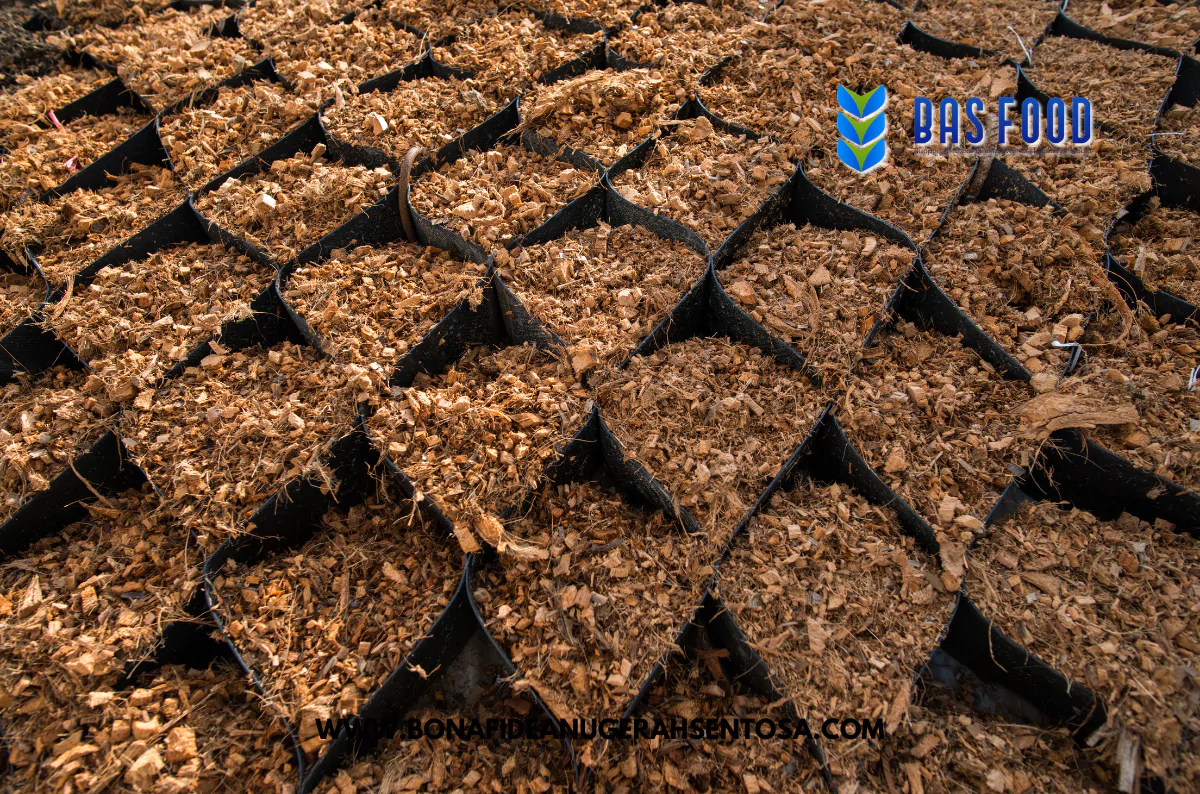
Coco peat, also known as coconut peat or coconut peat coir, is a natural, fibrous material derived from coconut husks. Once the fibers are extracted for other uses, the remaining dust-like material is processed into various forms. This product has gained popularity due to its sustainable, biodegradable nature and its ability to replace traditional soil in many applications.
The Different Forms of Coconut Peat Products
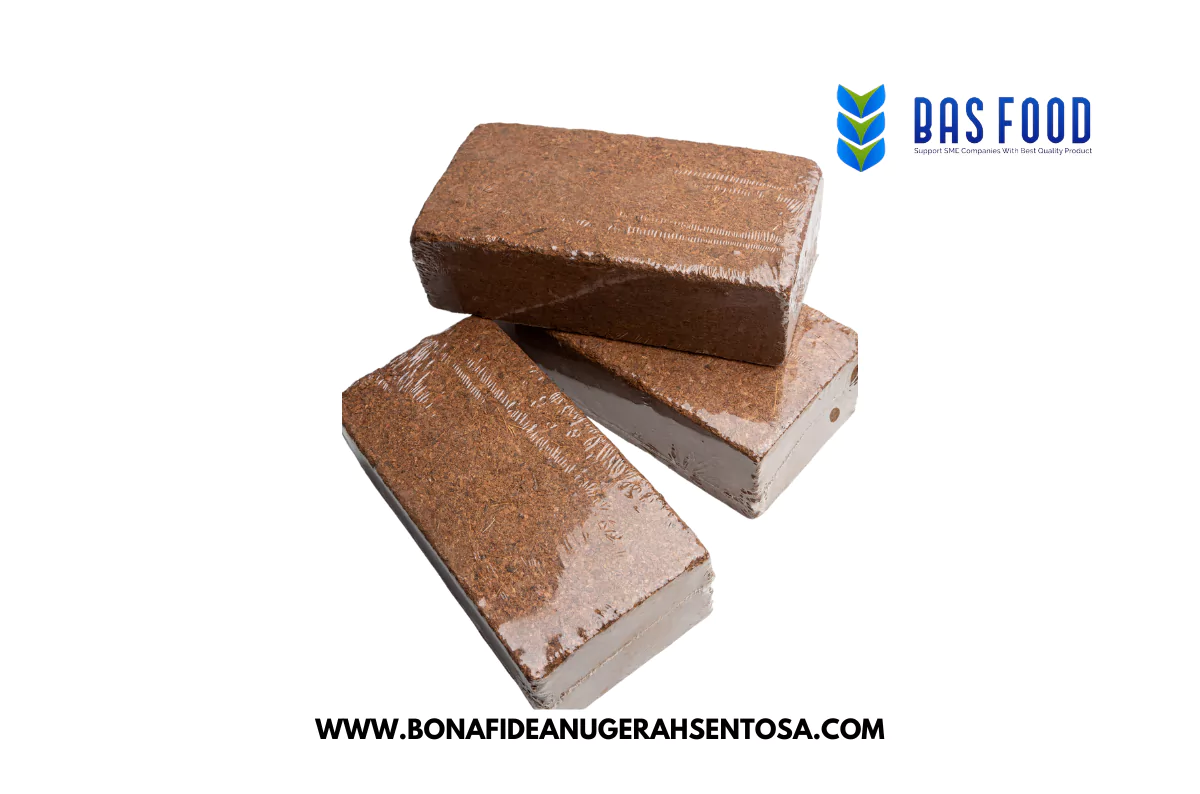
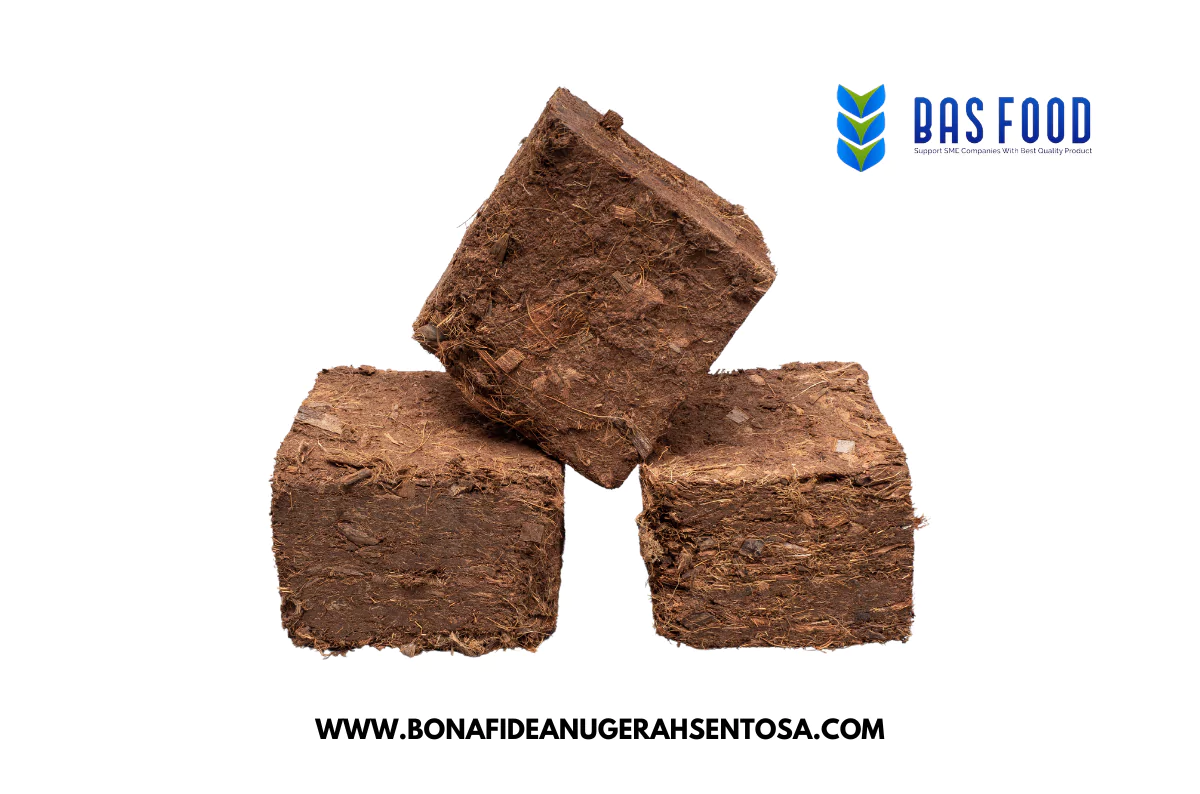
1. Coco Peat Block
Compressed into compact blocks, coconut peat blocks expand when water is added, making them easy to transport and store. They are widely used in large-scale farming, greenhouses, and nurseries.
2. Coco Peat Brick
Smaller than blocks, coconut peat bricks serve as an ideal medium for home gardening and small-scale agriculture. They are lightweight and convenient for handling.
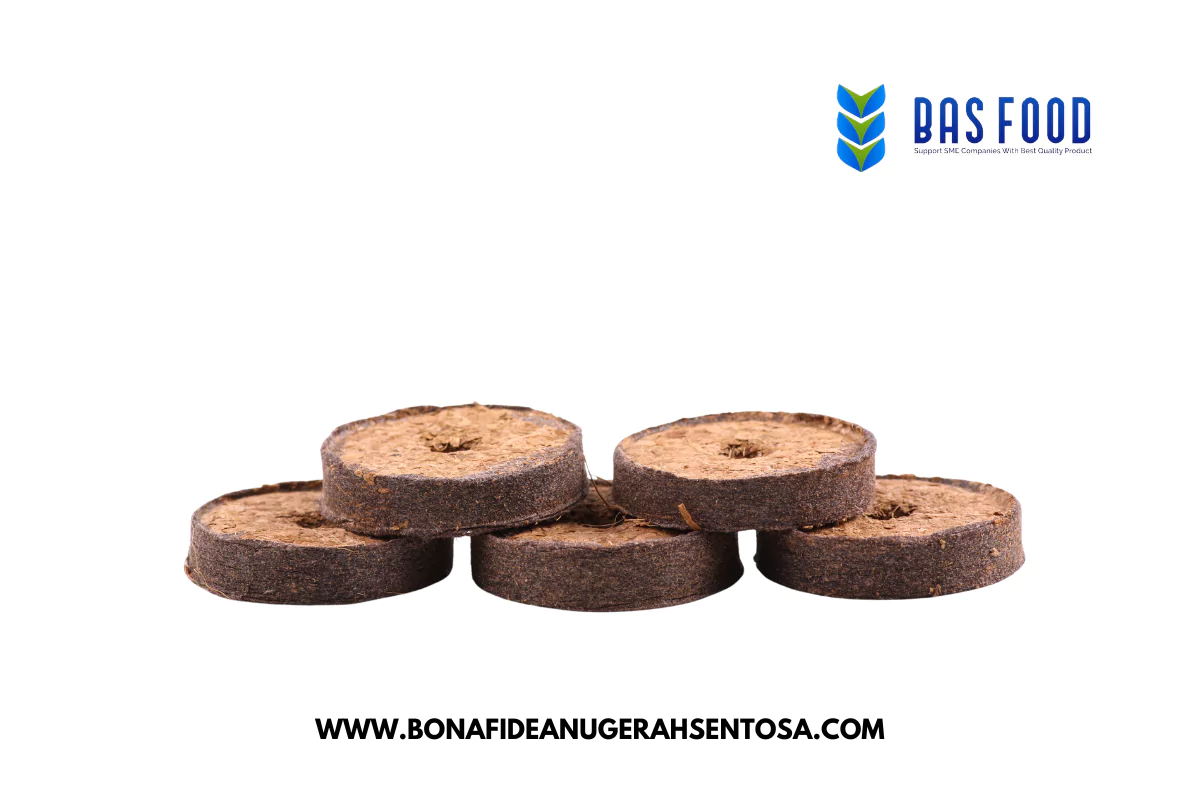
3. Mixed Coco Peat
Available in uncompressed form, mixed coconut peat is often blended with other materials for potting mixes or hydroponic systems, offering excellent moisture retention and aeration.
Why Coco Peat is a Game-Changer in Agriculture
Superior Water Retention and Aeration
Unlike traditional soil, coconut peat can retain up to 8–10 times its weight in water. This ensures plants receive consistent moisture without becoming waterlogged, making it an excellent choice for drought-prone regions.
Natural Resistance to Pests and Fungi
The lignin content in coco peat coir makes it naturally resistant to harmful pathogens and pests, reducing the need for chemical pesticides.
Coco Peat vs. Traditional Soil: A Comparative Analysis
Moisture Retention
Unlike soil, which can dry out quickly, coconut peat acts like a sponge, holding water efficiently and ensuring a steady supply of moisture to plant roots. This exceptional water retention capability reduces the frequency of irrigation, making it an ideal solution for regions facing water scarcity and unpredictable rainfall patterns.
Nutrient Absorption and Plant Growth
The lignin content in coco peat coir provides a natural defense against harmful pathogens and pests, significantly reducing the reliance on chemical pesticides. This resistance not only ensures healthier plant growth but also promotes a more organic and eco-friendly approach to farming, making it a preferred choice for sustainable agriculture.
Applications of Coco Peat in Various Industries
1. Agriculture
- Used in hydroponics, greenhouses, and seed germination.
- Acts as an alternative to peat moss, reducing environmental impact.
2. Landscaping and Erosion Control
- Helps in moisture retention for urban green spaces.
- Prevents soil erosion in high-rainfall areas.
3. Pet Bedding and Composting
- Serves as an absorbent bedding material for pets.
- Enhances compost quality by adding organic matter.
How to Use Coconut Peat: A Step-by-Step Guide
- Soak the coco peat block or brick in water.
- Allow it to expand fully, which can take up to 15 minutes.
- Fluff and mix with soil or use as a standalone growing medium.
- Adjust pH levels if necessary before planting.
Sustainability Benefits of Coconut Peat
100% Biodegradable and Eco-Friendly
Unlike peat moss, which is harvested from non-renewable sources, coconut peat is a sustainable byproduct of the coconut industry.
A Renewable Alternative to Peat Moss
With growing concerns over environmental degradation, coconut peat coir provides a renewable and responsible option for gardening and agriculture.
Coconut Peat Pricing Information
The price of coco peat varies depending on market conditions, quality, and order volume. As of recent estimates, the price ranges from $295 to $305 per kg FOB Indonesia. However, prices may change without prior notice due to fluctuations in demand and production costs.
Why Choose CV Bonafide Anugerah Sentosa for Coconut Peat?
As a trusted exporter of coconut-based products, CV Bonafide Anugerah Sentosa is dedicated to delivering premium-quality coconut peat by adhering to strict quality control measures and sustainable production processes. The company sources raw materials responsibly, ensuring that each coco peat block, coco peat brick, and coco peat coir meets international standards for horticulture, hydroponics, and soil conditioning.
Beyond product excellence, CV Bonafide Anugerah Sentosa prioritizes long-term partnerships with global buyers by offering competitive pricing, reliable supply chains, and tailored customer service. Whether catering to large-scale agricultural enterprises or small-scale gardening needs, the company remains committed to fostering greener, more sustainable farming practices worldwide.
Conclusion
Coco peat is transforming modern agriculture with its superior moisture retention, eco-friendliness, and diverse applications. Whether used in hydroponics, landscaping, or composting, coconut peat is a sustainable alternative to traditional growing mediums.
For high-quality coconut peat solutions, explore CV Bonafide Anugerah Sentosa’s products and join the global movement toward sustainable farming. Contact us today to discuss your requirements and secure a reliable supply of premium coconut peat blocks, coco peat bricks, and coco peat coir. Our team is ready to assist you with competitive pricing and tailored solutions. Share your experiences or ask questions in the comments below!