
Indonesia is one of the most vibrant coffee-growing regions in the world, and it’s not hard to see why. With its volcanic soil, diverse microclimates, and centuries-old coffee traditions, this Southeast Asian country is a paradise for coffee growers and buyers alike. Among the most in-demand exports from Indonesia is green coffee, the raw, unroasted version of coffee beans that coffee roasters around the globe seek for its flavor profile and sourcing story.
If you’re searching for a green coffee supplier Indonesia, you’re in the right place. This blog breaks down everything you need to know—from the types of green coffee beans available to what makes a reliable exporter, and how companies like CV Bonafide Anugerah Sentosa have become trusted names in the industry.
Understanding Green Coffee: What It Is and Why It Matters
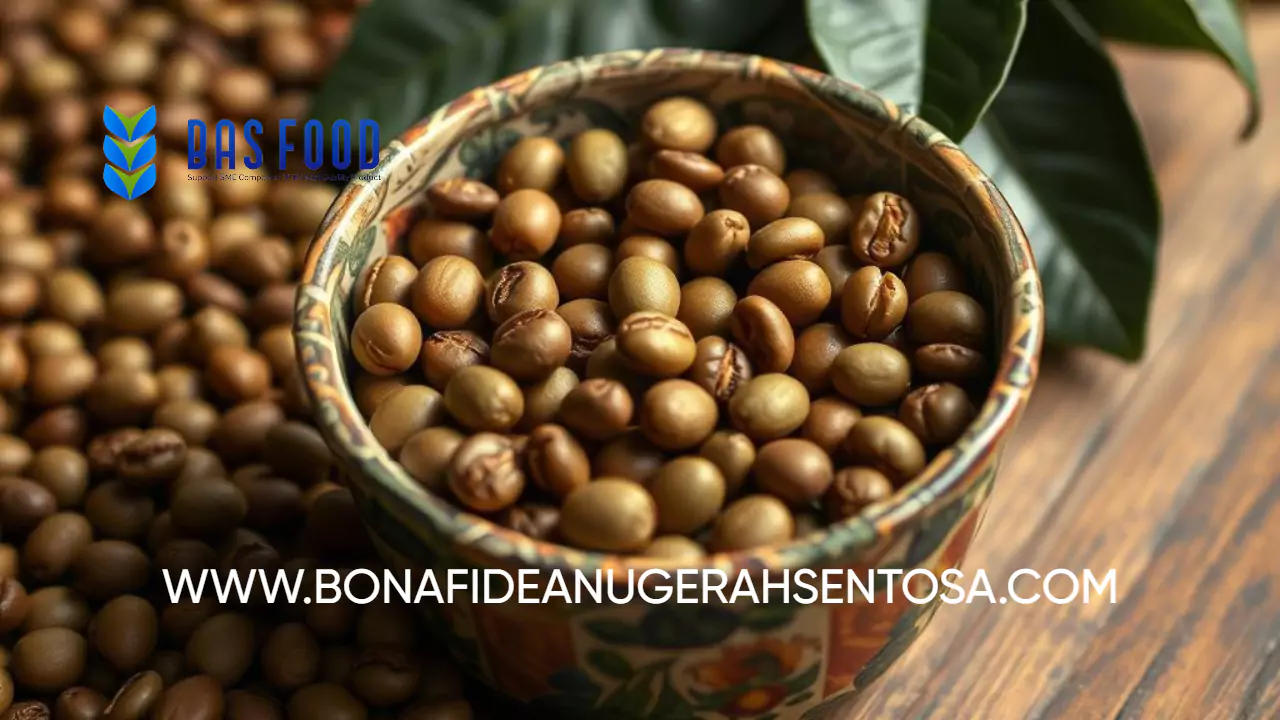
Before diving into suppliers, it’s important to understand what green coffee actually is. Simply put, green coffee beans are raw, unroasted coffee seeds that are processed and dried after being harvested. These beans retain their natural chlorogenic acids and offer a longer shelf life than roasted beans.
Green coffee isn’t just for roasting businesses—it’s also used in health supplements due to its antioxidant properties. This gives it a dual market: specialty coffee roasters and health-conscious consumers. And Indonesia, with its variety of species and processing methods, produces some of the most unique green coffees in the world.
What Makes a Great Green Coffee Supplier Indonesia?
The term “green coffee supplier Indonesia” gets thrown around a lot online, but not every supplier is created equal. A trustworthy supplier should offer more than just beans—they should provide traceability, quality assurance, and reliable logistics. Indonesian suppliers who work directly with farmers, implement sustainable practices, and can handle large-scale exports are the ones to look for.
A great green coffee supplier also understands cupping scores, moisture levels, bean density, and defect ratios. They should be transparent with samples and certifications, and be open to customization—whether you’re a café owner in Berlin or a wholesaler in Dubai.
Indonesian Green Coffee Regions: More Than Just Sumatra
When people think of Indonesian coffee, Sumatra usually comes to mind first—and for good reason. Coffees from Sumatra, like Mandailing and Lintong, are known for their full body, low acidity, and earthy tones. However, Indonesia is more than just Sumatra.
- Java: Known for its balanced profile and historic plantations. Java green beans are often sought for blending due to their consistency.
- Sulawesi (Celebes): These beans offer a medium body, clean cup, and spicy, sometimes nutty flavor notes.
- Bali: Organically grown beans from Kintamani often have fruity and floral tones.
- Flores and Papua: These lesser-known regions are producing high-quality beans that are gaining traction in the specialty scene.
Each island and micro-region provides unique taste profiles due to differences in altitude, soil, and processing methods—making Indonesia a goldmine for buyers looking to diversify their coffee offerings.
Meet CV Bonafide Anugerah Sentosa: Trusted Green Coffee Supplier Indonesia
If you’re looking for a dependable partner in the green coffee business, CV Bonafide Anugerah Sentosa (BAS) should be on your radar. Based in Indonesia, BAS is a well-established supplier not only of green coffee but also of spices, fishery products, and coconut-based goods.
What sets BAS apart is their commitment to quality, traceability, and community empowerment. They work directly with farmer cooperatives across Sumatra and Java, ensuring fair prices and sustainable practices. Their green coffee catalog includes Robusta Mandailing, Arabica Gayo, and Java Preanger, with cupping notes and moisture levels documented for each batch.
More than just a trading company, BAS manages quality control at every stage—from post-harvest processing to packaging for export. They cater to buyers in Europe, North America, the Middle East, and Asia, making them a truly global green coffee supplier Indonesia businesses can rely on.
Certifications and Quality Control: What to Look For
When selecting a green coffee supplier in Indonesia, certifications matter. Not only do they give peace of mind about ethical sourcing, but they’re often required for importing into specific regions.
Here are some key certifications BAS and other reputable exporters typically provide:
- Organic Certification (EU, USDA)
- Fair Trade Certification
- Rainforest Alliance
- ISO 22000 for Food Safety
- Halal Certification for Muslim markets
- Quality control also plays a big role. At BAS, green coffee goes through multiple checks including:
- Moisture level tests (ideal range: 10-12%)
- Screen size sorting
- Defect counting (based on SCAA standards)
- Lab cupping by certified Q-graders
All of this ensures that what arrives in your warehouse is exactly what was promised on paper.
Why Global Buyers Prefer Indonesian Green Coffee
Indonesia has something many other coffee-producing countries don’t: versatility. Whether you need high-end Arabica for specialty roasters or consistent Robusta for instant coffee production, you’ll find it here. The country’s logistics infrastructure has improved significantly, and suppliers like BAS now offer tailored packaging, private labeling, and even FOB/CIF options depending on your needs.
Many international buyers return to Indonesian suppliers not just because of the coffee, but because of the relationship-based business culture. Long-term partnerships, honesty in communication, and flexibility in orders all help buyers feel more secure.
Another big plus? Harvest cycles in Indonesia can help fill supply gaps from Latin America or Africa, especially for buyers looking for year-round inventory.
Export Guide: From Farm to Port
Getting green coffee from Indonesia to your warehouse involves several key steps. Here’s a quick breakdown of what happens:
- Sourcing and Harvesting
Suppliers like BAS coordinate with farmer groups to collect coffee cherries during the peak harvest season. - Processing
Beans are typically processed using wet-hulled, fully washed, or natural methods, depending on the region and buyer preference. - Drying and Sorting
Beans are sun-dried or mechanically dried, then sorted by size and density. - Packaging
Green coffee is packed in 60 kg jute or GrainPro bags, often double-layered to maintain freshness. - Shipping Documents
The supplier handles export documents, certificates of origin, phytosanitary reports, and other customs requirements. - Container Loading and Export
Once everything is ready, the beans are loaded into containers at a nearby port—usually Belawan, Tanjung Priok, or Surabaya.
BAS offers support throughout the entire process and can provide status updates from pre-shipment inspection to vessel departure.
Sustainability and the Future of Indonesian Coffee
With climate change and supply chain transparency becoming top priorities, Indonesian suppliers are stepping up. BAS, for example, is actively investing in training programs for farmers on climate-smart agriculture and regenerative farming. They also support reforestation efforts in coffee-growing areas.
Sustainable sourcing isn’t just a buzzword—it’s an operational strategy. Buyers who work with eco-conscious suppliers not only meet global compliance standards but also future-proof their business.
Looking forward, Indonesia is positioned to become an even stronger player in the global green coffee trade. Investments in infrastructure, technology, and education are already showing results. For global buyers, this means better beans, smoother transactions, and stronger partnerships.
Final Thoughts: Your Next Green Coffee Supplier Is Here
Finding a green coffee supplier Indonesia that checks all the boxes doesn’t have to be difficult. With a strong reputation, comprehensive export capabilities, and a commitment to quality, CV Bonafide Anugerah Sentosa stands out as a reliable choice.
Whether you’re an established roaster, a distributor, or a coffee startup, sourcing from Indonesia opens the door to a wide array of flavor profiles and business opportunities. Reach out, request samples, and start building a supply chain that’s as flavorful as the coffee itself. Contact CV Bonafide Anugerah Sentosa how we can provide the best solutions for you. WhatsApp: +62 8213 4505 737, Email: info@bonafideanugerahsentosa.com / bas.mdir@gmail.com.