
Arenga sugar is more than just a sweetener. For many, it’s a symbol of heritage, health, and sustainability. Yet, what truly sets premium Arenga sugar apart on the global stage isn’t just its origin — it’s the strict quality standards maintained from the moment sap is tapped from the palm tree to the final export packaging. These standards are critical for consistency, safety, and credibility in international markets.
In this blog, we’ll break down Arenga Sugar Factory Quality Standards step-by-step — from traditional harvesting to export inspection — and look at how producers like CV Bonafide Anugerah Sentosa are setting the benchmark. As a trusted supplier of green coffee, spices, fishery, and coconut products, their commitment to quality also extends deeply into their Arenga sugar operations in Indonesia.
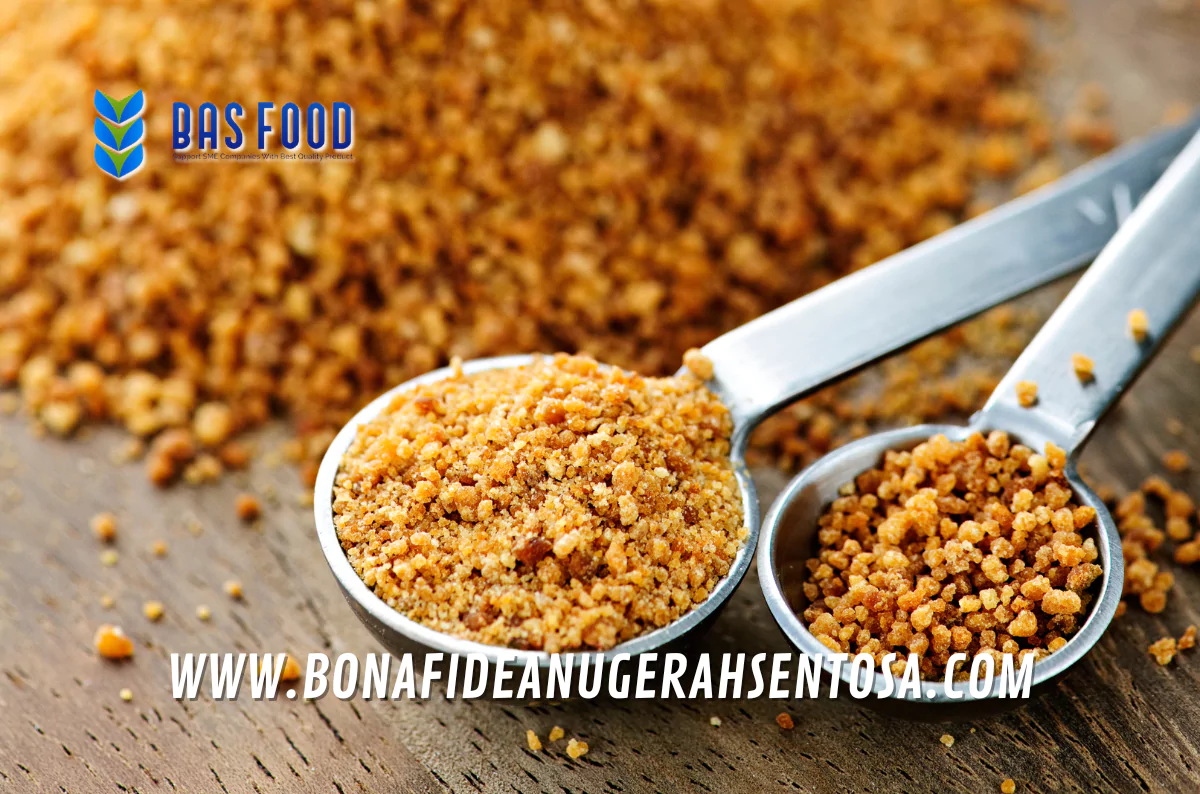
Harvesting Arenga Sap: The First Crucial Step
Every drop of quality Arenga sugar starts with careful sap collection. Farmers climb tall Arenga palms, usually early in the morning, to tap the male flower stalks. The sap, known locally as nira, must be collected cleanly and quickly to avoid contamination and fermentation.
Quality standards at this stage focus on hygiene and timing. Containers must be thoroughly cleaned before use, and sap should be filtered and stored in food-grade vessels within minutes. At reputable factories like those affiliated with CV Bonafide Anugerah Sentosa, partner farmers are trained to use sustainable tapping methods to protect tree health and ensure long-term productivity.
Processing the Sap: Controlled Heat and Hygiene
Once collected, the sap moves quickly to the boiling station. This is where things can go wrong if quality controls aren’t followed. Sap needs to be boiled within hours to prevent spoilage. The heating process is delicate — too much heat, and the sugar scorches; too little, and moisture won’t evaporate properly.
Factories that uphold strong Arenga Sugar Factory Quality Standards use stainless steel pans, calibrated thermometers, and trained operators to monitor every batch. Some even use vacuum evaporation systems to preserve nutrients. In facilities supported by CV Bonafide Anugerah Sentosa, this step includes strict hygiene audits, pest control protocols, and regular equipment checks to meet international food safety requirements.
Drying and Molding: Texture, Color, and Consistency
After boiling, the syrup thickens and solidifies into granules or molds — depending on the product type. For granulated Arenga sugar, this means drying and milling the hardened mass into fine, consistent grains. For molded blocks, it’s about controlling pour temperature and mold sanitation.
The drying phase is where moisture content is tightly regulated. If it’s too high, the product spoils; too low, and it becomes brittle. Leading Arenga sugar factories maintain moisture between 2% and 4%. CV Bonafide Anugerah Sentosa ensures each production lot is tested in their quality lab for color, granule size, and microbial safety before moving to the packaging line.
Packaging with Precision: Protection Meets Presentation
The packaging process is more than just putting sugar in bags. It’s a controlled operation where hygiene, labeling, and material quality matter. Good packaging protects the product from moisture, light, and pests while also communicating important details like origin, production date, and certifications.
Arenga sugar destined for export is usually vacuum-packed or sealed in multi-layer bags. Factories adhering to global standards use food-safe packaging materials, often BPA-free and recyclable. At CV Bonafide Anugerah Sentosa, each product batch receives a unique traceability code, and workers undergo regular food safety training to minimize handling risks during this stage.
Quality Control Labs: Testing Every Batch for Export
Laboratory testing is the backbone of any serious Arenga sugar factory. This is where all claims — organic, unrefined, low glycemic — are verified. Tests cover a range of parameters including microbial load, sucrose content, moisture, ash, and contaminants like heavy metals or pesticide residues.
To meet international food import regulations, many factories now adopt HACCP, ISO 22000, and GMP systems. CV Bonafide Anugerah Sentosa works closely with certified labs to perform regular third-party tests. This ensures that their Arenga sugar complies with export standards in the U.S., EU, Japan, and other high-demand markets.
Certifications and Documentation: Meeting Global Requirements
If you’re shipping Arenga sugar abroad, paperwork matters just as much as product quality. Exporters must prove their goods meet destination-country regulations — often through certifications like USDA Organic, EU Organic, Halal, Kosher, or Fair Trade.
Factories that export at scale have internal compliance teams who handle documentation, customs codes, MSDS sheets, and certificates of origin. CV Bonafide Anugerah Sentosa, for example, maintains a complete digital record of every batch shipped, providing transparency for their buyers and partners around the globe.
Traceability and Transparency: Building Buyer Trust
Traceability is no longer a bonus — it’s a buyer expectation. Many global importers now demand end-to-end visibility into how and where products are made. Arenga sugar factories must be able to track each batch back to the farm, sap collector, and processing date.
At CV Bonafide Anugerah Sentosa, traceability is part of their core system. Whether it’s Arenga sugar, green coffee, fishery products, or coconut derivatives, the company provides transparent tracking for every container. This not only builds trust but also makes it easier to handle recalls or audits if needed.
Logistics and Export Handling: Final Quality Gate
Once products are packed and cleared for shipment, logistics teams take over. Even at this stage, quality standards are essential. Poor container handling, exposure to humidity, or delays at port can damage even the best-made product.
High-standard Arenga sugar factories take this seriously. They work with vetted logistics partners, monitor container conditions, and often include desiccants or oxygen absorbers to protect the cargo. CV Bonafide Anugerah Sentosa exports via major ports in Java and Sumatra, using shipping schedules that reduce transit time and ensure fresh arrivals in overseas markets.
Why Global Buyers Choose High-Standard Arenga Sugar
There’s a reason why some Arenga sugar brands dominate the export market: consistent quality, reliable supply, and certified processes. Global food manufacturers, natural product companies, and organic brands are looking for suppliers that can deliver more than just product — they want compliance, documentation, and integrity.
By working with trusted names like CV Bonafide Anugerah Sentosa, buyers get access to a network of experienced farmers, certified factories, and dedicated quality control teams. Whether they’re sourcing Arenga sugar, green coffee, spices, fishery products, or coconut-based ingredients, they know they’re working with professionals who understand international standards.
Conclusion: Arenga Sugar is Only as Good as Its Standards
Not all Arenga sugar is created equal. Behind every high-quality granule is a system of checks. Skilled workers making sure the product is safe, consistent, and market-ready. From palm to port, the journey is shaped by rigorous quality benchmarks that protect both the product and the people who use it.
As demand grows for authentic, traceable, and sustainably produced sweeteners, factories that invest in Arenga Sugar Factory Quality Standards will continue to lead. And with suppliers like CV Bonafide Anugerah Sentosa supporting both production and global distribution, buyers can feel confident they’re getting the best of what Indonesia has to offer. Contact CV Bonafide Anugerah Sentosa how we can provide the best solutions for you. WhatsApp: +62 8213 4505 737, Email: info@bonafideanugerahsentosa.com / bas.mdir@gmail.com.