
The food industry in the United States is constantly evolving. Consumers are becoming more aware of ingredient labels, sourcing practices, and product transparency. As a result, food manufacturers are increasingly seeking natural sweeteners that align with clean-label trends and changing consumer preferences. One ingredient that continues to attract attention is coconut nectar. Derived from the sap of coconut flower blossoms, coconut nectar offers a natural sweetness, pleasant flavor profile, and versatile functionality. These characteristics have made it a popular ingredient in beverages, bakery products, snacks, sauces, and plant-based foods.
As demand continues to rise, many businesses are searching for a reliable coconut nectar supplier USA to support their sourcing needs. Whether they are importing bulk ingredients for manufacturing or developing private-label products, buyers want suppliers that can deliver consistent quality, reliable supply, and competitive pricing.
At the same time, the expanding USA natural sweetener market is creating new opportunities for coconut-derived products. Brands are looking for ingredients that help them differentiate products while meeting consumer demand for natural and responsibly sourced alternatives.
This guide explores why coconut nectar is growing in popularity, what buyers should look for in a supplier, and why Indonesia remains one of the most important sourcing destinations for the U.S. market.
What Is Coconut Nectar?
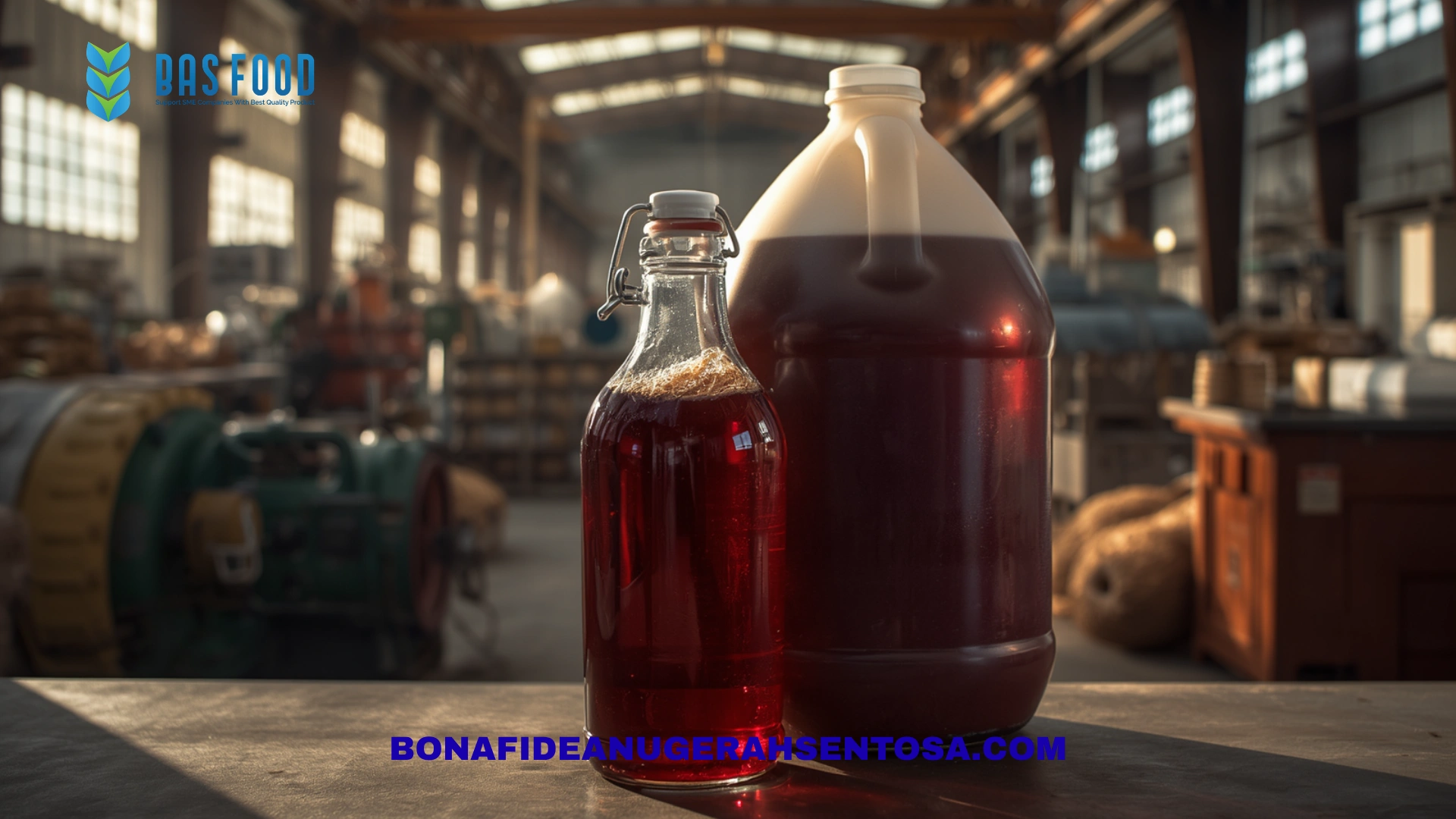
Coconut nectar is a liquid sweetener made from the sap collected from coconut flower blossoms.
Before coconut flowers develop into mature coconuts, they release a naturally sweet sap. Skilled farmers carefully tap the flower stalks and collect this sap using traditional harvesting methods.
The fresh sap is then filtered and gently heated to remove excess moisture. This process creates a smooth syrup with a rich golden-brown appearance and a mild caramel-like flavor.
Unlike highly refined sweeteners, coconut nectar undergoes relatively minimal processing. Because of this, many manufacturers view it as a natural ingredient suitable for clean-label product development.
Its versatility allows it to be incorporated into a wide range of food and beverage applications.
Today, coconut nectar is increasingly used by companies looking to create premium products that appeal to health-conscious consumers.
Understanding the Growth of the USA Natural Sweetener Market
The USA natural sweetener market has experienced significant growth over the past decade.
Consumers are actively seeking products made with ingredients they recognize and trust. This trend has encouraged food manufacturers to explore alternatives to traditional sweeteners.
Several factors are driving this market expansion.
Clean Label Demand
Consumers increasingly prefer products with simple ingredient lists.
Natural sweeteners support this trend by offering recognizable sources and straightforward production methods.
Plant-Based Food Growth
The rapid expansion of plant-based foods has created additional demand for naturally sourced ingredients.
Coconut nectar fits well within this category.
Premium Product Development
Many brands use specialty sweeteners to differentiate their products from competitors.
Coconut nectar helps support premium positioning while offering a unique product story.
Sustainability Awareness
Consumers increasingly consider sustainability when making purchasing decisions.
Ingredients sourced from renewable agricultural systems often receive greater attention from environmentally conscious buyers.
These trends continue creating opportunities for coconut nectar suppliers serving the U.S. market.
Why Food Manufacturers Choose Coconut Nectar
Manufacturers evaluate ingredients based on multiple criteria.
Functionality, taste, consistency, sourcing reliability, and consumer appeal all play important roles.
Fortunately, coconut nectar offers advantages across several categories.
Pleasant Flavor Profile
Coconut nectar delivers mild sweetness combined with subtle caramel notes.
This flavor complements many food and beverage applications.
Versatile Functionality
Manufacturers use coconut nectar in:
- Beverages
- Bakery products
- Sauces
- Snack foods
- Confectionery
- Plant-based products
- Nutritional products
Its liquid form simplifies formulation and production.
Product Differentiation
In highly competitive markets, unique ingredients can help brands stand out.
Coconut nectar provides a compelling story that supports premium branding strategies.
Applications of Coconut Nectar in the U.S. Food Industry
The versatility of coconut nectar contributes significantly to its growing popularity.
Food manufacturers use it across numerous categories.
Beverage Industry
One of the fastest-growing applications is beverages.
Manufacturers incorporate coconut nectar into:
- Coffee drinks
- Functional beverages
- Smoothies
- Tea products
- Energy drinks
Its liquid consistency allows easy integration into formulations.
Bakery Industry
Bakery manufacturers use coconut nectar in:
- Cookies
- Cakes
- Muffins
- Pastries
- Dessert products
Its flavor enhances finished products while supporting clean-label formulations.
Snack Foods
Snack producers increasingly use coconut nectar in:
- Granola
- Protein bars
- Energy bars
- Healthy snacks
These products continue gaining popularity among consumers seeking convenient and natural food options.
Specialty Foods
Premium food brands often use coconut nectar in gourmet products and specialty formulations designed for niche markets.
What to Look for in a Coconut Nectar Supplier USA
Choosing the right coconut nectar supplier USA is critical for long-term success.
Not all suppliers offer the same level of quality, service, or reliability.
Several key factors should guide supplier selection.
Consistent Product Quality
Manufacturers require ingredients that perform consistently across production runs.
Reliable suppliers maintain strict quality control procedures.
Supply Reliability
Production schedules depend on dependable ingredient availability.
Suppliers should demonstrate the ability to meet long-term demand.
Food Safety Standards
Quality documentation and food safety programs help ensure product integrity.
Traceability
Modern buyers increasingly expect supply chain transparency.
Traceability systems help support quality assurance and sourcing confidence.
Customer Support
Strong communication and responsive service help build successful long-term partnerships.
Why Indonesia Is a Preferred Sourcing Destination
Many U.S. buyers source coconut nectar from Indonesia.
There are several reasons for this preference.
Abundant Coconut Resources
Indonesia is one of the largest coconut-producing countries in the world.
Its extensive coconut-growing regions provide a stable supply of raw materials.
Year-Round Production
The tropical climate supports continuous coconut cultivation throughout the year.
This helps ensure reliable product availability.
Experienced Producers
Indonesian producers have generations of experience harvesting coconut sap and producing coconut-derived ingredients.
Export Expertise
Many Indonesian suppliers have extensive experience serving international markets, including the United States.
These advantages help make Indonesia a leading sourcing destination for coconut nectar.
Sustainability Is Becoming a Purchasing Priority
Sustainability is no longer just a trend.
For many buyers, it has become a core sourcing requirement.
Fortunately, coconut nectar production aligns well with sustainability objectives.
Farmers collect sap from coconut flower blossoms without damaging the trees.
The trees continue producing flowers, fruit, and sap for many years.
Additionally, coconut nectar production supports farming communities throughout Indonesia and other coconut-producing regions.
As sustainability continues influencing consumer behavior, responsibly sourced coconut nectar is likely to remain in high demand.
Importing Coconut Nectar into the United States
Importing ingredients into the United States requires careful planning.
Businesses should work with suppliers that understand international shipping requirements and export procedures.
Key considerations include:
Product Specifications
Clear specifications help ensure products meet manufacturing requirements.
Packaging Options
Suppliers should offer packaging suitable for industrial and commercial applications.
Documentation
Proper export documentation supports smooth customs clearance.
Logistics Coordination
Efficient shipping helps reduce delays and maintain supply chain reliability.
Working with experienced exporters simplifies the import process and reduces sourcing risks.
Why Long-Term Supplier Partnerships Matter
Many successful food companies focus on building long-term supplier relationships.
This approach provides several benefits.
Stable partnerships improve communication, support product consistency, and create opportunities for future collaboration.
Trusted suppliers often become valuable strategic partners rather than simple vendors.
As demand grows, strong supplier relationships help businesses secure reliable access to critical ingredients.
For coconut nectar buyers, choosing the right sourcing partner can contribute significantly to long-term success.
Partner with CV Bonafide Anugerah Sentosa for Premium Coconut Nectar
For businesses seeking a reliable coconut nectar supplier USA sourcing partner, CV Bonafide Anugerah Sentosa offers premium coconut nectar for international markets.
The company works closely with trusted farming communities and processing facilities throughout Indonesia to ensure consistent quality, dependable supply, and export-ready products.
In addition to coconut nectar, CV Bonafide Anugerah Sentosa supplies a wide range of coconut-based products, including coconut sugar, organic coconut sugar, virgin coconut oil, coconut milk products, and other agricultural commodities.
With extensive export experience and strong sourcing networks, the company helps global buyers access premium Indonesian ingredients that support product innovation and business growth.
Conclusion
The continued growth of the USA natural sweetener market is creating exciting opportunities for ingredients like coconut nectar.
Its natural origin, pleasant flavor, versatility, and compatibility with clean-label trends make it an increasingly attractive option for food manufacturers.
For businesses seeking a dependable coconut nectar supplier USA, sourcing from experienced Indonesian exporters offers access to abundant raw materials, reliable supply chains, and export-ready quality.
As consumer demand for natural ingredients continues to rise, coconut nectar is positioned to become an even more important ingredient across multiple food and beverage categories.
Companies that establish strong sourcing partnerships today will be well positioned to meet future market demands and support long-term growth.