
In recent years, the global food industry has moved toward natural and minimally processed ingredients. Consumers are more aware of what they eat, and they actively choose products that offer both health benefits and authenticity. Among these, coconut sugar has gained strong attention. In particular, block coconut sugar stands out due to its traditional roots and unique production process.
Understanding how this product is made is important for importers, distributors, and manufacturers. It helps ensure quality, traceability, and compliance with international standards. For B2B buyers, knowledge of block coconut sugar processing is not just technical. It is a key factor in supplier selection and long-term partnership.
At the same time, emerging markets such as the Taiwan gluten free market continue to drive demand. These markets require natural sweeteners that align with clean-label trends. Therefore, knowing both traditional and modern production methods gives businesses a competitive advantage.
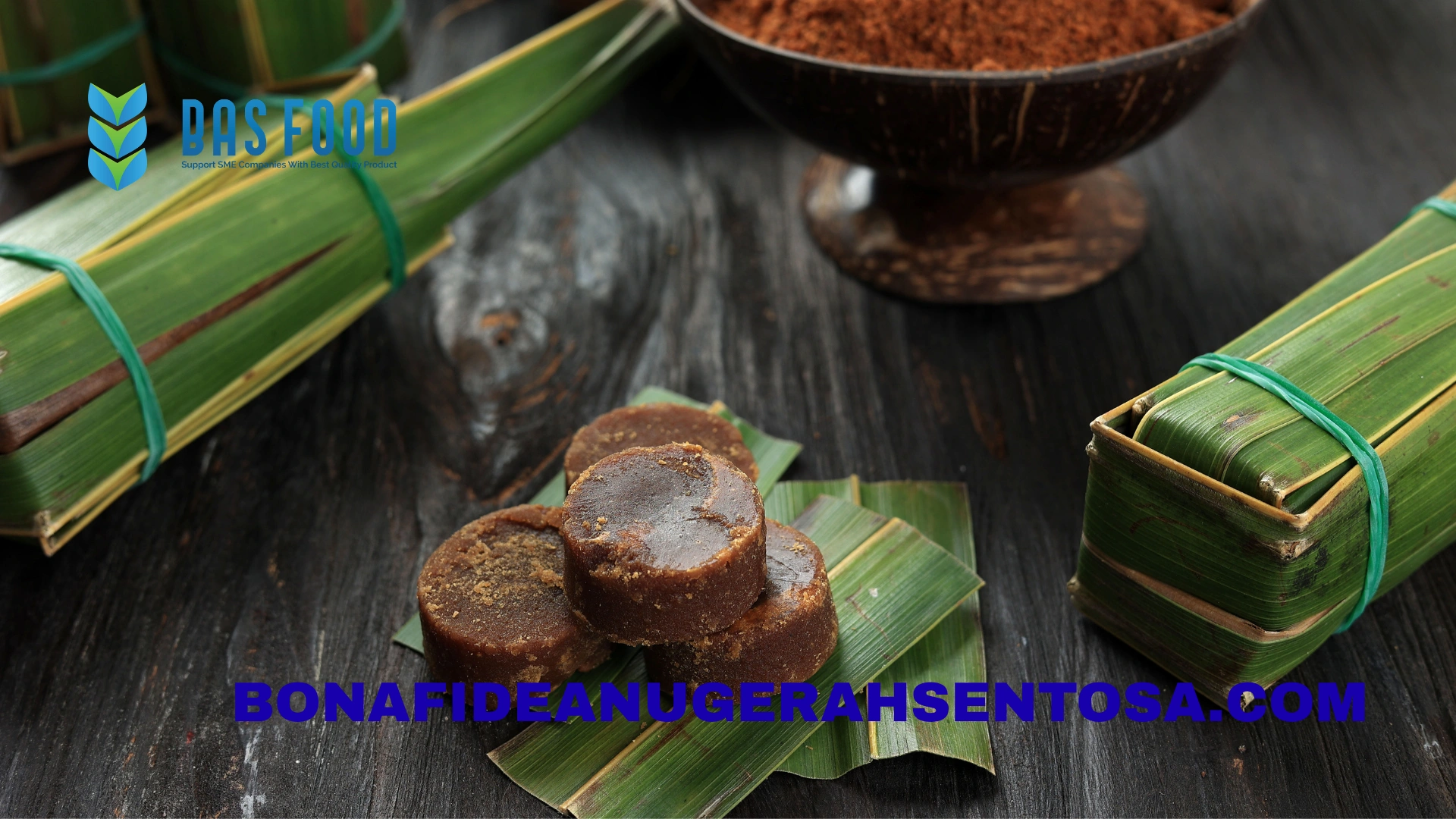
The Origins of Coconut Sugar: A Heritage Rooted in Nature
Block coconut sugar has a long history in Southeast Asia, especially in Indonesia. For generations, farmers have relied on coconut trees not only for fruit but also for sap. This sap, collected from coconut blossoms, is the foundation of coconut sugar.
The process begins early in the morning. Farmers climb coconut trees and carefully tap the flower buds. They collect the sap in bamboo or food-grade containers. This step requires skill and precision because the quality of sap directly affects the final product.
Traditionally, the sap is processed on the same day to prevent fermentation. Fresh sap has a mild sweetness and a light aroma. If it is left too long, it can turn sour. Therefore, timing is critical in block coconut sugar processing.
This traditional approach is still widely used today. It reflects not only a method of production but also a cultural practice. Many communities depend on coconut sugar production as their main source of income.
Traditional Block Coconut Sugar Processing: Time-Tested Techniques
Traditional methods remain the backbone of coconut sugar production. After collecting the sap, farmers filter it to remove impurities. Then, they pour it into large pans and heat it over wood-fired stoves.
The heating process is slow and steady. Farmers continuously stir the liquid to prevent burning. Over time, the sap thickens and changes color, turning into a rich brown syrup. This stage requires experience because the consistency must be just right.
Once the syrup reaches the desired thickness, it is poured into molds. These molds can be made from coconut shells, bamboo, or metal. As the syrup cools, it solidifies into blocks. This is how traditional block coconut sugar is formed.
This method has several advantages. It preserves the natural minerals and flavor of the sap. It also requires minimal equipment, making it accessible for small-scale producers. However, it also has limitations, such as inconsistent quality and limited production capacity.
Modern Block Coconut Sugar Processing: Enhancing Quality and Efficiency
As global demand increases, producers are adopting modern techniques to improve consistency and scalability. Modern block coconut sugar processing still starts with sap collection, but the next steps involve more controlled systems.
First, filtration is done using advanced equipment to ensure higher purity. Then, instead of open wood fires, producers use stainless steel evaporators. These machines allow precise temperature control, which helps maintain consistent quality.
In addition, modern facilities often use vacuum evaporation. This method reduces the boiling temperature, preserving more nutrients and natural flavor. It also improves energy efficiency and reduces production time.
After evaporation, the thick syrup is poured into standardized molds. Cooling is done in controlled environments to ensure uniform shape and texture. This results in a more consistent product that meets international standards.
Modern processing also includes strict hygiene practices. Facilities follow food safety standards such as HACCP and ISO. This is especially important for export markets, where quality and safety are top priorities.
Comparing Traditional and Modern Methods: Finding the Right Balance
Both traditional and modern methods have their strengths. Traditional processing offers authenticity and a unique flavor profile. It reflects cultural heritage and supports local communities. On the other hand, modern processing provides consistency, efficiency, and compliance with global standards.
For B2B buyers, the choice depends on their target market. Premium brands may prefer traditionally made products for their story and authenticity. Meanwhile, large-scale manufacturers may require modern processing for consistent supply.
In many cases, the best approach is a combination of both. Some suppliers integrate traditional sap collection with modern processing techniques. This hybrid model ensures quality while maintaining authenticity.
This balance is particularly important when targeting markets like the Taiwan gluten free market. Buyers in this segment expect both natural products and reliable quality. Therefore, suppliers must meet both expectations.
Quality Control in Block Coconut Sugar Processing
Quality control is a critical part of production. It starts from the raw material. Fresh sap must be collected under hygienic conditions and processed quickly. Any delay can affect the taste and safety of the product.
During processing, temperature and time must be carefully monitored. Overheating can destroy nutrients, while underheating can result in poor texture. Therefore, experienced workers or automated systems are essential.
Laboratory testing is also important. Suppliers test moisture content, microbial levels, and sugar composition. These tests ensure that the product meets international standards.
Packaging is another key factor. Block coconut sugar must be packed in food-grade materials to prevent contamination. Proper packaging also extends shelf life and maintains product quality during shipping.
Applications in the Global Food Industry
Block coconut sugar is widely used in various food applications. Its natural sweetness and caramel flavor make it suitable for bakery products, beverages, and confectionery.
In the bakery industry, it is used as a substitute for refined sugar. It adds depth of flavor and enhances the overall product profile. In beverages, it dissolves easily and provides a natural sweetness.
One of the fastest-growing segments is the Taiwan gluten free market. In this market, consumers look for ingredients that are both natural and functional. Block coconut sugar fits well because it is minimally processed and free from gluten.
In addition, it is used in sauces, marinades, and traditional dishes. Its versatility makes it a valuable ingredient for both industrial and artisanal applications.
Export Considerations: Meeting International Standards
Exporting block coconut sugar requires careful preparation. Suppliers must comply with food safety regulations, labeling requirements, and certification standards.
Certifications such as organic, HACCP, and ISO are often required. These certifications show that the product meets international quality and safety standards.
Documentation is also important. Exporters must provide certificates of origin, health certificates, and other required documents. Any mistake can delay shipments and affect business relationships.
Logistics is another key factor. Proper packaging and shipping methods ensure that the product arrives in good condition. This is especially important for long-distance markets like Taiwan.
Why CV Bonafide Anugerah Sentosa Is a Trusted Export Partner
CV Bonafide Anugerah Sentosa is a reliable supplier of coconut sugar and other agricultural products from Indonesia. The company combines traditional sourcing with modern processing to deliver high-quality products.
They work closely with local farmers to ensure sustainable and ethical sourcing. At the same time, they implement strict quality control measures to meet international standards.
The company also provides complete export support. This includes documentation, packaging, and logistics. As a result, buyers can focus on their business without worrying about supply chain issues.
For businesses targeting the Taiwan gluten free market, CV Bonafide Anugerah Sentosa offers a strong advantage. Their experience and commitment to quality make them a trusted partner.
Future Trends: Innovation and Sustainability in Coconut Sugar
The future of coconut sugar lies in innovation and sustainability. Producers are exploring new technologies to improve efficiency and reduce environmental impact.
At the same time, there is a growing focus on ethical sourcing. Buyers want to know where their products come from and how they are made. This trend encourages transparency and fair trade practices.
In addition, new product forms are emerging. While block coconut sugar remains popular, there is also demand for granulated and liquid forms. These variations offer more flexibility for different applications.
The Taiwan gluten free market will continue to play an important role in driving demand. As consumers seek healthier options, natural sweeteners like coconut sugar will remain in high demand.
Conclusion: From Tradition to Global Opportunity
Block coconut sugar is more than just a sweetener. It is a product that combines tradition, innovation, and global demand. Understanding block coconut sugar processing helps businesses make informed decisions and build strong supply chains.
Both traditional and modern methods play important roles. By combining these approaches, suppliers can deliver high-quality products that meet international standards.
For B2B buyers, the opportunity is clear. With the right supplier, businesses can tap into growing markets such as the Taiwan gluten free market and meet the demand for natural ingredients.
As the industry continues to evolve, those who invest in quality, sustainability, and innovation will lead the way.