
The global food industry is changing fast. Buyers are no longer focused only on price and volume. Instead, they look for healthier ingredients, natural sweeteners, and clean-label products. In this shift, block coconut sugar has become one of the most attractive options for food manufacturers and importers. Block coconut sugar is made from the sap of coconut palm trees. It is minimally processed, rich in natural minerals, and widely known for its lower glycemic index compared to refined sugar. As a result, demand continues to grow in regions like Europe, North America, and especially Asia. One of the strongest emerging opportunities today is the Taiwan gluten free market, where consumers actively seek natural and unrefined sweeteners.
For B2B buyers, choosing the right block coconut sugar supplier is not just about sourcing a product. It is about building a reliable supply chain, ensuring consistent quality, and meeting strict international standards. This article breaks down everything you need to know, from production to export readiness, and how to choose the right partner for long-term success.
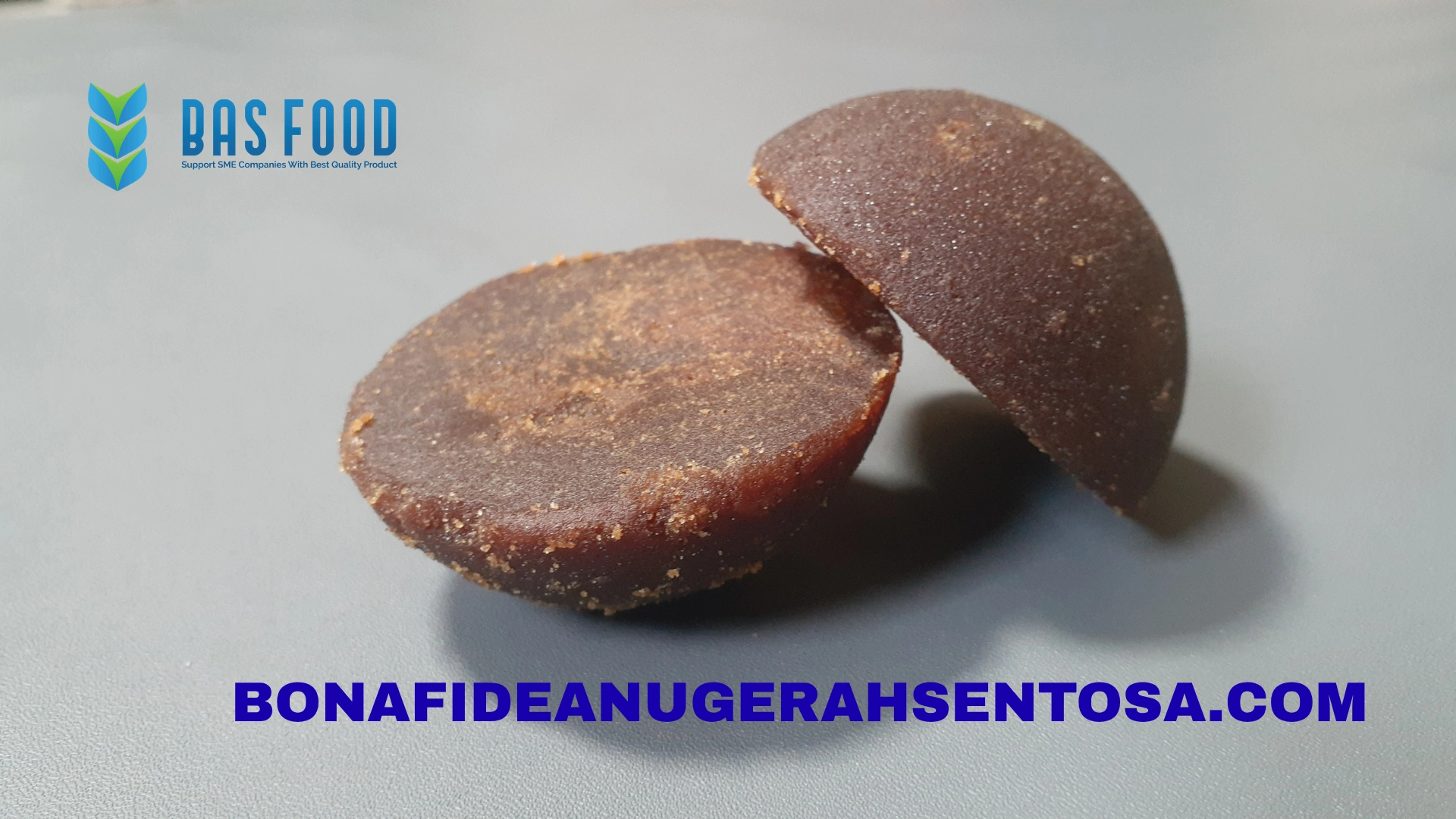
Understanding Block Coconut Sugar: A Traditional Product with Modern Demand
Block coconut sugar has deep roots in Southeast Asia, especially in countries like Indonesia. Traditionally, farmers collect sap from coconut blossoms, then boil it slowly until it thickens and solidifies into blocks. This method preserves the natural nutrients and gives the sugar its rich caramel flavor.
Today, while the basic method remains the same, many producers combine traditional knowledge with modern food safety standards. This hybrid approach ensures that the product meets international requirements while maintaining authenticity. As a result, block coconut sugar is now widely accepted in premium food segments.
From a market perspective, buyers value block coconut sugar for several reasons. First, it is a natural sweetener without chemical refining. Second, it fits well into organic, vegan, and gluten-free product categories. Third, it offers a unique flavor profile that enhances bakery, beverage, and confectionery products. These factors make it highly relevant in the Taiwan gluten free market, where product differentiation is key.
Why Businesses Are Switching to Block Coconut Sugar Suppliers
The shift toward healthier ingredients is not just a trend. It is a long-term movement driven by consumer awareness and regulatory pressure. Food brands now need to reformulate products to meet clean-label standards. This is where a reliable block coconut sugar supplier becomes essential.
A good supplier does more than deliver products. They ensure traceability, consistent quality, and compliance with certifications such as HACCP, ISO, and organic standards. Without these, entering international markets becomes difficult.
Another important factor is scalability. As demand grows, buyers need suppliers who can handle bulk orders without compromising quality. Many small producers cannot meet this requirement. Therefore, working with an experienced exporter helps reduce risk and ensures stable supply.
Moreover, logistics and documentation play a big role in international trade. A professional supplier understands export procedures, packaging requirements, and shipping timelines. This is particularly important when targeting markets like Taiwan, where import regulations are strict and documentation must be accurate.
The Role of Indonesia in the Global Coconut Sugar Supply Chain
Indonesia is one of the largest producers of coconut sugar in the world. The country has abundant coconut plantations, skilled farmers, and a long history of traditional sugar production. This gives Indonesian suppliers a strong competitive advantage.
In regions like Java and Yogyakarta, coconut sugar production is not just an industry. It is part of the local culture. Farmers have passed down their knowledge for generations. Today, many exporters work closely with these farmers to ensure sustainable and ethical sourcing.
In addition, Indonesian suppliers are increasingly adopting modern processing techniques. They invest in better drying systems, hygienic facilities, and quality control processes. This allows them to meet international standards while maintaining product authenticity.
For buyers targeting the Taiwan gluten free market, Indonesia offers a reliable source of high-quality block coconut sugar. The combination of traditional production and modern compliance makes it an ideal supply base.
Key Qualities of a Reliable Block Coconut Sugar Supplier
Choosing the right supplier is critical. Not all suppliers offer the same level of quality, service, and reliability. Here are some key factors to consider when selecting a block coconut sugar supplier.
First, look at product quality. The sugar should have a consistent color, texture, and moisture level. It should also be free from contaminants. Reliable suppliers conduct regular quality checks and provide lab test reports.
Second, check certifications. For export markets, certifications such as organic, HACCP, and ISO are often required. These certifications show that the supplier follows international food safety standards.
Third, evaluate production capacity. Can the supplier handle large orders? Do they have a stable supply chain? These questions are important for long-term partnerships.
Fourth, consider transparency. A trustworthy supplier provides clear information about sourcing, processing, and pricing. They are also open to audits and inspections.
Finally, assess communication and service. A good supplier responds quickly, understands your requirements, and provides solutions when challenges arise. This is especially important in international trade, where delays can be costly.
Applications of Block Coconut Sugar in the Food Industry
Block coconut sugar is versatile. It is used in various industries, from food manufacturing to food service. One of its main advantages is its adaptability in different formulations.
In the bakery sector, it is used as a natural sweetener for cakes, cookies, and bread. Its caramel flavor adds depth and enhances the overall taste. In beverages, it is used in coffee, tea, and health drinks as a natural alternative to refined sugar.
In addition, it plays a key role in gluten-free products. Many gluten-free recipes require alternative sweeteners that align with clean-label standards. This is why block coconut sugar is highly relevant in the Taiwan gluten free market. It supports product positioning as natural, healthy, and premium.
Furthermore, it is used in sauces, marinades, and traditional dishes. Its ability to dissolve and blend makes it suitable for both industrial and artisanal applications.
Export Requirements and Market Opportunities in Taiwan
Taiwan is a promising market for coconut sugar. Consumers are health-conscious and willing to pay more for high-quality products. The Taiwan gluten free market is growing steadily, driven by dietary preferences and awareness of food sensitivities.
However, entering this market requires preparation. Importers must comply with food safety regulations, labeling requirements, and certification standards. This includes proper documentation, ingredient transparency, and clear labeling.
Packaging also plays an important role. Products must be well-protected during shipping and meet retail standards. Many buyers prefer customized packaging that aligns with their brand identity.
Working with an experienced block coconut sugar supplier simplifies this process. They understand export regulations and can provide the necessary support, from documentation to logistics.
Why CV Bonafide Anugerah Sentosa Is a Trusted Supplier
When it comes to sourcing high-quality block coconut sugar, CV Bonafide Anugerah Sentosa stands out as a reliable partner. Based in Indonesia, the company specializes in exporting coconut products, spices, coffee, and fishery products to global markets.
The company works closely with local farmers to ensure sustainable sourcing. At the same time, it implements strict quality control processes to meet international standards. This combination ensures consistent product quality and supply stability.
CV Bonafide Anugerah Sentosa also understands the needs of international buyers. They provide complete export documentation, flexible packaging options, and responsive customer service. This makes them a strong partner for businesses targeting markets like Taiwan.
In addition, their experience in handling bulk orders and international logistics reduces risk for buyers. This is crucial for companies looking to scale their operations.
Future Trends: Where the Coconut Sugar Market Is Heading
The future of coconut sugar looks promising. Demand is expected to grow as more consumers shift toward natural and healthier food options. This trend is particularly strong in Asia, including the Taiwan gluten free market.
Innovation is also shaping the industry. Suppliers are developing new product forms, such as granulated and liquid coconut sugar. However, block coconut sugar remains popular due to its traditional appeal and longer shelf life.
Sustainability will also play a bigger role. Buyers are increasingly looking for ethically sourced products. This means suppliers must focus on fair trade practices, environmental responsibility, and transparent supply chains.
For businesses, this presents both challenges and opportunities. Partnering with the right block coconut sugar supplier will be key to staying competitive in this evolving market.
Conclusion: Building a Strong Partnership for Long-Term Success
Choosing a block coconut sugar supplier is a strategic decision. It affects product quality, brand reputation, and market access. Therefore, businesses must take a careful and informed approach.
Indonesia offers a strong supply base, with experienced exporters like CV Bonafide Anugerah Sentosa leading the way. Their combination of traditional expertise and modern standards makes them a reliable partner for global buyers.
As demand continues to grow, especially in the Taiwan gluten free market, the opportunity for expansion is significant. By working with the right supplier, businesses can meet market demands, ensure product quality, and build a sustainable supply chain.