
The Middle East is fast becoming one of the most attractive destinations for coconut-based products. With growing populations, expanding food industries, and rising demand for high-quality raw materials, the region offers strong opportunities for exporters. Among these products, RBD coconut oil Middle East demand continues to grow as refined, bleached, and deodorized coconut oil stands out as a reliable and versatile ingredient.
This article explores how exporters can successfully position themselves in the RBD coconut oil Middle East market. It also explains key trends, compliance factors, and practical strategies to succeed in high-demand countries such as coconut oil Saudi Arabia markets. The goal is simple: help you build a strong, compliant, and competitive export presence.
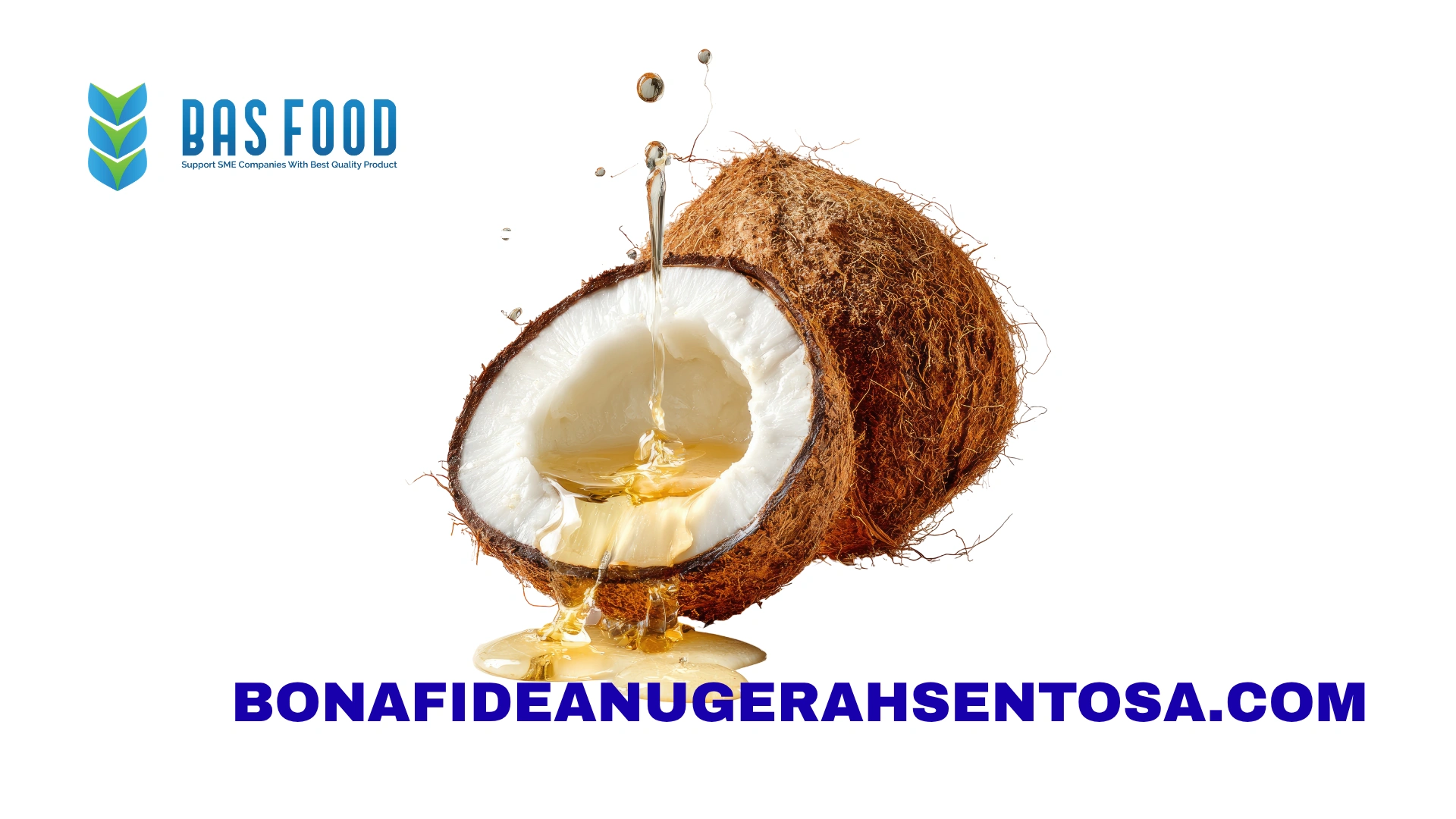
Why the Middle East is a High-Growth Market for RBD Coconut Oil
The Middle East has seen steady growth in food manufacturing, hospitality, and retail sectors. Countries like Saudi Arabia, United Arab Emirates, and Qatar are investing heavily in food security and industrial development. As a result, demand for imported raw materials continues to rise.
RBD coconut oil plays a key role in this growth. It is widely used in bakery fats, confectionery, and processed foods. In addition, personal care industries use it for creams, lotions, and hair products. Its neutral taste and long shelf life make it ideal for large-scale applications.
Moreover, the region’s reliance on imports creates consistent opportunities for exporters. Local production of coconut oil is limited due to climate conditions. Therefore, suppliers from tropical countries can fill this gap and build long-term partnerships in the RBD coconut oil Middle East market.
Understanding RBD Coconut Oil: Product and Industrial Value
RBD coconut oil is produced through a controlled refining process. It starts with dried coconut meat, also known as copra. The oil is then refined, bleached, and deodorized to remove impurities, color, and odor.
This process results in a clear, neutral oil with consistent quality. That consistency is essential for industrial buyers. Manufacturers rely on stable raw materials to maintain product standards across batches.
Compared to virgin coconut oil, RBD coconut oil offers better uniformity. This makes it more suitable for large-scale production. As a result, it is widely preferred in the RBD coconut oil Middle East market, especially for food and cosmetic manufacturing.
In addition, the oil has a high smoke point and good oxidative stability. These features make it ideal for cooking and processing applications. For markets like coconut oil Saudi Arabia, where high temperatures are common, product stability becomes even more important.
Key Demand Drivers in the Middle East Coconut Oil Market
Several factors are driving demand for RBD coconut oil in the region.
First, population growth is increasing food consumption. Countries like Saudi Arabia and United Arab Emirates are experiencing rising urbanization. This leads to higher demand for processed and packaged foods, where coconut oil is widely used.
Second, the expansion of the hospitality sector is boosting demand. Hotels, restaurants, and catering services require stable cooking oils for large-scale operations. RBD coconut oil meets these needs due to its consistency and shelf life.
Third, the cosmetics and personal care industry is growing rapidly. Consumers are becoming more aware of skincare and haircare products. This trend increases demand for high-quality oils in formulations across the RBD coconut oil Middle East market.
Finally, government initiatives to diversify economies are encouraging food manufacturing investments. This creates long-term demand for reliable suppliers, especially in coconut oil Saudi Arabia markets.
Regulatory and Compliance Requirements in the Middle East
Exporting to the Middle East requires compliance with regional regulations. While requirements vary by country, several common standards apply.
Food Safety and Quality Standards
Most countries follow international food safety guidelines. Exporters must ensure their products are free from contaminants and meet quality specifications. This includes limits on moisture, free fatty acids, and impurities.
Laboratory testing is essential. Buyers often request Certificates of Analysis to verify product quality. Meeting these standards is critical for success in the RBD coconut oil Middle East market.
Halal Certification
Halal certification is mandatory in many Middle Eastern countries. It ensures that the product complies with Islamic dietary laws. For markets like coconut oil Saudi Arabia, this certification is not optional.
Exporters must work with recognized certification bodies. Proper documentation is required to avoid delays during customs clearance.
Documentation and Traceability
Importers require full documentation, including invoices, packing lists, and certificates of origin. Traceability is also important. Buyers want to know the source of raw materials and the production process.
Strong documentation builds trust and ensures smooth entry into the RBD coconut oil Middle East market.
Packaging and Logistics for Middle East Exports
Packaging plays a key role in maintaining product quality during transit.
RBD coconut oil is typically shipped in steel drums, food-grade plastic containers, or flexitanks. These options provide protection against contamination and environmental factors.
In addition, exporters must consider the region’s climate. High temperatures can affect product condition during shipping. Therefore, proper sealing and handling are essential.
Logistics planning is equally important. Working with experienced freight forwarders can help manage shipping schedules and customs procedures. This ensures timely delivery to buyers in the RBD coconut oil Middle East market.
For coconut oil Saudi Arabia, efficient logistics are especially important due to large-scale industrial demand and tight production schedules.
Competitive Landscape: Positioning Your Product
The Middle East market is competitive, with suppliers from multiple countries offering coconut oil. To stand out, exporters must focus on quality, consistency, and reliability.
Price is important, but it is not the only factor. Buyers also value long-term partnerships and stable supply chains. Delivering consistent quality across shipments can help build trust.
In addition, branding and communication play a role. Clear product specifications, certifications, and documentation can make your offer more attractive.
For exporters targeting the RBD coconut oil Middle East market, differentiation is key. Offering value-added services, such as customized packaging or flexible delivery options, can give you an edge.
Opportunities in Saudi Arabia: A Strategic Focus Market
Saudi Arabia is one of the largest economies in the Middle East. Its food and manufacturing sectors are expanding rapidly.
The country imports a significant portion of its food ingredients. This creates strong demand for products like RBD coconut oil. The coconut oil Saudi Arabia market is particularly attractive for exporters who can meet quality and compliance requirements.
In addition, government initiatives such as Vision 2030 aim to diversify the economy. This includes investments in food processing and industrial development. These changes create long-term opportunities for suppliers in the RBD coconut oil Middle East market.
However, competition is also strong. Exporters must ensure compliance with regulations and maintain high-quality standards to succeed.
Why Indonesia is a Leading Supplier for the Middle East
Indonesia is one of the world’s largest producers of coconut-based products. Its tropical climate allows year-round coconut harvesting, ensuring stable supply.
Indonesian exporters have extensive experience in global markets. Many suppliers already meet international standards and understand the requirements of Middle Eastern buyers.
In addition, Indonesia offers competitive pricing without compromising quality. This makes it a preferred sourcing destination for buyers in the RBD coconut oil Middle East market.
For coconut oil Saudi Arabia, Indonesian suppliers are well-positioned to meet demand due to their production capacity and export experience.
CV Bonafide Anugerah Sentosa: Your Trusted Export Partner
Choosing the right supplier is critical for success in international markets.
CV Bonafide Anugerah Sentosa is a reliable exporter of coconut-based products from Indonesia. The company focuses on quality, consistency, and compliance with international standards.
With experience in global trade, CV Bonafide Anugerah Sentosa understands the needs of buyers in the RBD coconut oil Middle East market. The company ensures:
- Strict quality control at every stage
- Compliance with Halal and international certifications
- Transparent documentation and traceability
- Reliable and timely delivery
By partnering with a trusted supplier, buyers can reduce risks and ensure smooth operations in coconut oil Saudi Arabia and other Middle Eastern markets.
Building a Long-Term Export Strategy for the Middle East
Success in the Middle East requires a long-term approach. Exporters must focus on quality, compliance, and relationship building.
First, invest in production and quality control systems. This ensures your product meets international standards. Second, maintain clear and consistent communication with buyers. This helps build trust and avoid misunderstandings.
Third, stay updated with market trends and regulations. The RBD coconut oil Middle East market continues to evolve. Exporters who adapt quickly can gain a competitive advantage.
Finally, focus on sustainability and transparency. These factors are becoming more important for global buyers. By aligning with these trends, exporters can strengthen their position in markets like coconut oil Saudi Arabia.
Final Thoughts: Turning Opportunity into Long-Term Growth
The Middle East offers strong opportunities for RBD coconut oil exporters. With growing demand, expanding industries, and reliance on imports, the region is ideal for long-term business development.
However, success requires more than supply. Exporters must understand market needs, meet regulatory requirements, and build strong relationships with buyers.
By focusing on quality, compliance, and consistency, you can establish a strong presence in the RBD coconut oil Middle East market and unlock new growth opportunities in coconut oil Saudi Arabia and beyond.