
The frozen food industry has grown rapidly over the past decade. Consumers now expect convenience, long shelf life, and consistent quality. At the same time, they still want natural ingredients and authentic flavors. This combination creates both opportunities and challenges for food manufacturers. In this evolving landscape, ingredient selection becomes critical. One ingredient that stands out is desiccated coconut frozen food applications. It offers stability, versatility, and a clean-label profile. Therefore, it has become a valuable component in modern frozen product development.
Understanding Desiccated Coconut in Frozen Applications
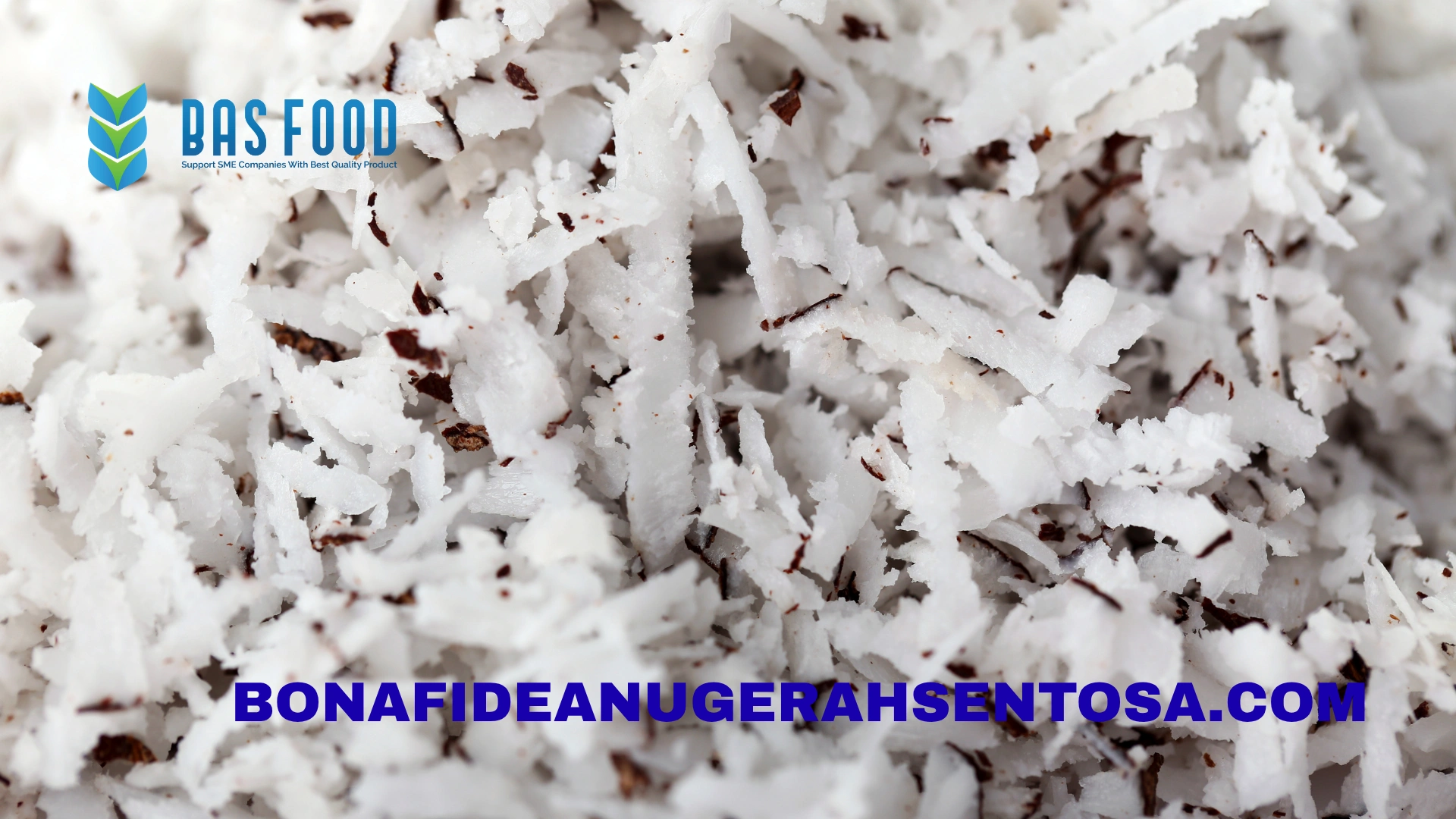
Desiccated coconut is produced by drying fresh coconut meat to remove most of its moisture. This process creates a stable ingredient that performs well under various conditions, including freezing.
In coconut ingredient frozen products, low moisture content plays a key role. It prevents ice crystal formation inside the coconut particles. As a result, the ingredient maintains its structure even after freezing and thawing. This makes it highly suitable for frozen food systems.
Why Frozen Food Manufacturers Choose Desiccated Coconut
Frozen food manufacturers require ingredients that can withstand extreme temperature changes. Not all ingredients perform well under freezing conditions. However, desiccated coconut offers unique advantages.
When used in desiccated coconut frozen food, it maintains texture and flavor over time. It does not become overly soggy or lose its integrity. In addition, it supports product consistency across batches. Therefore, it helps manufacturers achieve reliable results in large-scale production.
Coconut Stability Frozen: Performance Under Low Temperatures
One of the biggest challenges in frozen food is maintaining ingredient stability. Freezing and thawing cycles can damage texture and affect product quality.
The concept of coconut stability frozen refers to how well coconut ingredients perform in these conditions. Desiccated coconut performs exceptionally well because of its low water activity. It resists structural breakdown and retains its original form. This ensures that the final product remains appealing after thawing.
Texture Retention and Product Quality
Texture is a key factor in consumer satisfaction. Frozen products must deliver the same eating experience as fresh products. This is often difficult to achieve due to moisture changes during freezing.
In desiccated coconut frozen food, the ingredient helps maintain a consistent texture. It adds a light crunch or chewiness depending on the formulation. Moreover, it prevents excessive moisture absorption, which can lead to soggy textures. As a result, it enhances overall product quality.
Flavor Preservation in Frozen Food Systems
Flavor stability is another important aspect of frozen food production. Some ingredients lose their taste after freezing, especially when exposed to temperature fluctuations.
Desiccated coconut offers excellent flavor retention. In coconut ingredient frozen products, it maintains its natural aroma and mild sweetness. This helps preserve the intended flavor profile of the final product. Therefore, it supports consistent sensory quality throughout the product’s shelf life.
Applications in Frozen Desserts
Frozen desserts are one of the main categories where desiccated coconut is widely used. Ice cream, frozen yogurt, and plant-based desserts benefit from its unique properties.
In desiccated coconut frozen food, it can be used as a topping, inclusion, or mix-in. It adds texture contrast and enhances flavor. In addition, it complements other ingredients such as chocolate, fruits, and nuts. This versatility makes it ideal for premium frozen desserts.
Role in Frozen Ready Meals and Savory Products
Desiccated coconut is not limited to sweet products. It is also widely used in savory frozen meals. Many Asian and tropical dishes rely on coconut for flavor and texture.
In coconut ingredient frozen products, it can be used in sauces, coatings, and fillings. It enhances taste while maintaining stability during freezing. As a result, it supports the development of authentic and high-quality ready meals.
Shelf Life and Storage Advantages
Shelf life is a major concern in frozen food production. Products must remain stable during long storage periods and distribution.
Desiccated coconut offers significant advantages in this area. Its low moisture content reduces the risk of spoilage. In desiccated coconut frozen food, it contributes to extended shelf life and consistent quality. This makes it a reliable ingredient for global distribution.
Clean Label and Natural Ingredient Appeal
Consumers today prefer products with simple and natural ingredients. Clean-label trends are influencing purchasing decisions across markets.
Desiccated coconut fits perfectly into this trend. It is minimally processed and free from artificial additives. In coconut ingredient frozen products, it helps manufacturers create transparent and appealing product labels. This adds value in competitive markets.
Nutritional Contribution in Frozen Products
Nutrition is becoming increasingly important in frozen food categories. Consumers want convenient meals that also support their health.
Desiccated coconut provides dietary fiber and healthy fats. When used in desiccated coconut frozen food, it enhances the nutritional profile of the product. This makes it suitable for functional and health-oriented frozen products.
Production Efficiency and Cost Benefits
Efficiency is essential in food manufacturing. Ingredients must integrate easily into production systems without increasing complexity.
Desiccated coconut is easy to handle, store, and process. In coconut stability frozen systems, it simplifies formulation and reduces the need for additional stabilizers. This improves production efficiency and helps control costs.
Challenges and Best Practices in Frozen Applications
Although desiccated coconut offers many benefits, proper handling is still important. Manufacturers must ensure correct formulation and processing conditions.
Best practices include controlling moisture levels and using proper packaging. In desiccated coconut frozen food, these steps help maintain quality and prevent issues such as clumping or uneven distribution. Therefore, careful planning is essential for optimal results.
Global Market Trends in Frozen Coconut Products
The demand for frozen foods continues to grow worldwide. Consumers are looking for convenient, high-quality, and natural options.
This trend is driving the use of coconut ingredient frozen products in various markets. From Europe to the United States and Asia, manufacturers are incorporating coconut into innovative frozen products. As a result, desiccated coconut is becoming a key ingredient in global food trends.
Conclusion: A Smart Ingredient for the Future of Frozen Food
Desiccated coconut offers a unique combination of stability, functionality, and natural appeal. It performs well under freezing conditions and enhances both texture and flavor.
By using desiccated coconut frozen food, manufacturers can create innovative and high-quality products. With the right formulation and supplier, it becomes a strategic ingredient for success in the growing frozen food industry.