
Many food manufacturers and ingredient distributors plan to import RBD coconut oil from Southeast Asia because the region produces large volumes of coconuts and coconut derivatives. Indonesia, in particular, plays a major role in the global coconut industry.
For international buyers, understanding the process to import RBD coconut oil helps reduce supply risks and ensures regulatory compliance. This guide explains sourcing, export documentation, quality control, and logistics considerations when importing refined coconut oil from Indonesia.
Why Import RBD Coconut Oil from Indonesia
Indonesia is one of the largest coconut-producing countries in the world. Millions of smallholder farmers cultivate coconuts across islands such as Sumatra, Sulawesi, and Java.
As a result, Indonesia supplies large volumes of coconut derivatives including refined coconut oil, coconut sugar, and coconut milk ingredients. Many international buyers therefore choose Indonesia because the supply chain is well established.
In addition, Indonesian processors operate modern refining facilities capable of producing consistent food-grade RBD coconut oil. These facilities follow international food safety standards that global buyers expect.
Understanding What RBD Coconut Oil Is
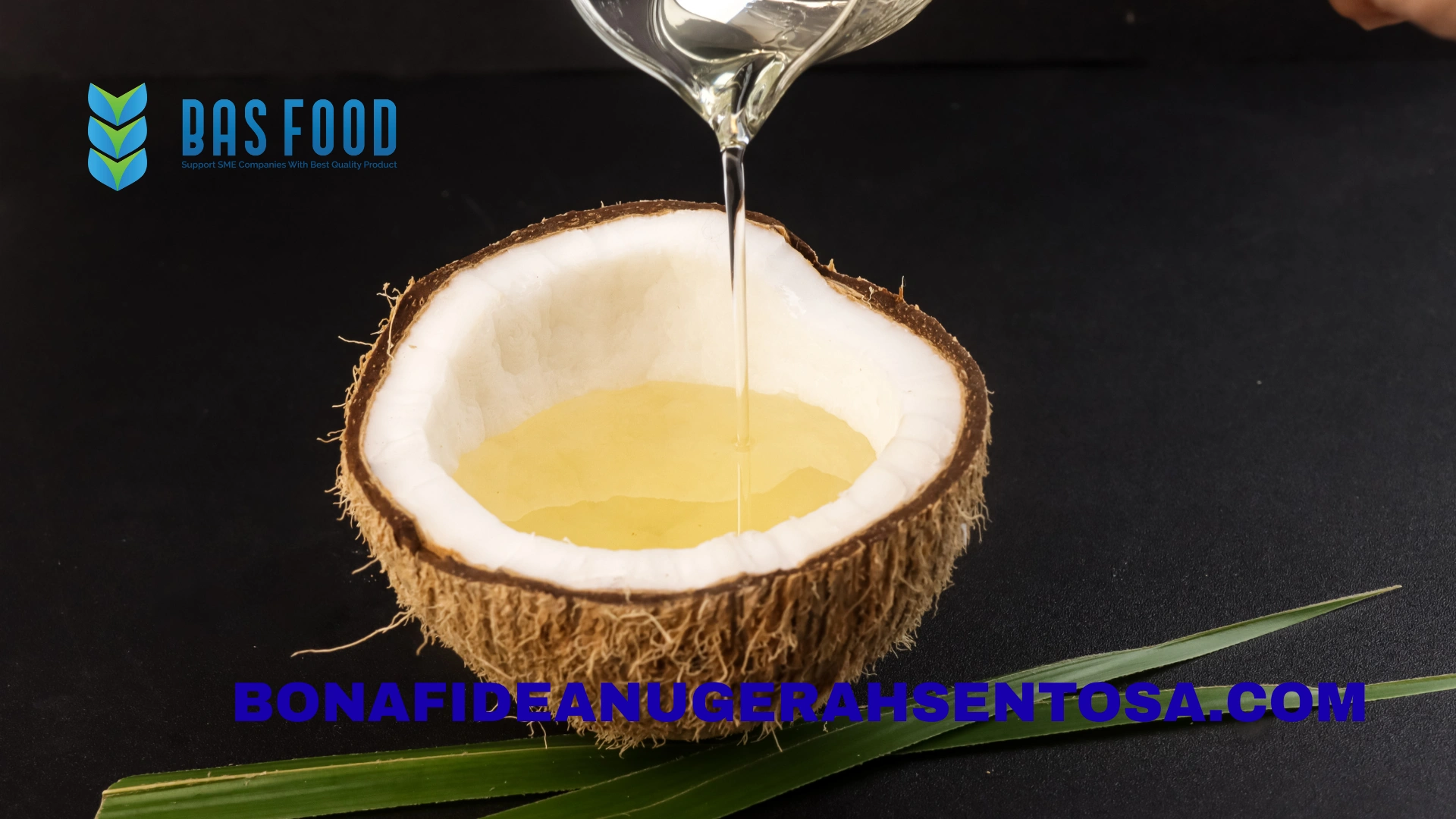
RBD stands for refined, bleached, and deodorized coconut oil. This process removes impurities, color pigments, and strong odors from crude coconut oil.
Because of this refining process, RBD coconut oil has a neutral flavor and light color. It also performs consistently in industrial food production.
For example, manufacturers use RBD coconut oil in bakery products, confectionery, margarine, and frying applications. Its stability at high temperatures makes it suitable for large-scale food processing.
Key Industries That Import RBD Coconut Oil
Several industries regularly import RBD coconut oil as a core ingredient. Understanding these sectors helps buyers evaluate long-term demand.
Food Manufacturing
Food manufacturers use refined coconut oil in baked goods, snack foods, and confectionery production. Its stable structure helps maintain texture and shelf life in processed foods.
Furthermore, plant-based food brands increasingly use coconut oil in dairy alternatives and vegan formulations.
Oleochemical Industry
Coconut oil also supports the oleochemical sector. Manufacturers convert coconut oil into fatty acids and surfactants used in detergents and cosmetics.
Consequently, the personal care industry represents a significant portion of global coconut oil demand.
Regulations for Importing Edible Oils
Import regulations vary by country. However, most markets follow international food safety frameworks developed by organizations such as the Codex Alimentarius Commission.
These guidelines help ensure edible oils meet safety and quality requirements before entering global markets.
In addition, regulatory authorities often require laboratory testing and documentation to verify product compliance. Buyers should therefore review their local food import regulations before placing an order.
Export Documentation from Indonesia
Proper documentation is essential when companies import RBD coconut oil from Indonesia. These documents verify the product origin, quality, and shipment details.
Typical export documentation includes:
- Commercial invoice
- Packing list
- Bill of lading
- Certificate of origin
- Certificate of analysis (COA)
Exporters also provide quality certificates that confirm laboratory testing results for each production batch.
Therefore, clear documentation reduces delays during customs clearance.
Quality Control Before Shipment
Quality assurance is an important step when importing edible oils. Buyers usually request detailed product specifications before confirming orders.
Key parameters commonly reviewed include:
- Free fatty acid (FFA) level
- Moisture content
- Peroxide value
- Color and odor
These indicators confirm that the oil has been properly refined and stored.
In addition, many buyers request independent laboratory testing or pre-shipment inspection.
Logistics and Shipping Options
Shipping logistics play a major role when companies import RBD coconut oil. Exporters normally ship refined coconut oil in bulk containers designed for liquid food products.
Common shipping formats include:
Steel Drums
Food-grade steel drums are widely used for medium-volume shipments. Each drum typically contains around 190–200 kilograms of oil.
This option works well for distributors and mid-scale buyers.
Flexitanks
Large industrial buyers often choose flexitanks installed inside shipping containers. These tanks can transport up to 24,000 liters of liquid product.
As a result, flexitanks significantly reduce packaging costs.
Supply Chain Reliability
Reliable supply chains are critical in international trade. Buyers must ensure suppliers maintain stable raw material sourcing and consistent production capacity.
Exporters with experience in multiple commodity sectors often develop stronger logistics systems. For example, companies that export seafood products such as Bluefin Tuna must maintain strict quality control and temperature management during shipping.
Although coconut oil does not require cold chain logistics, the same discipline in documentation and quality control often applies.
Choosing a Trusted Indonesian Exporter
Selecting the right supplier helps buyers reduce procurement risks. Importers should evaluate several factors before committing to a contract.
Important criteria include:
- Export experience
- Quality control systems
- Documentation capabilities
- Logistics support
Exporters such as CV Bonafide Anugerah Sentosa operate in several commodity sectors including coconut products, spices, seafood, and cocoa ingredients.
Because these exporters serve global buyers across multiple industries, they often maintain established export procedures and compliance systems.
Risks to Consider When Importing Coconut Oil
Although the global coconut oil trade is well established, buyers should still consider potential risks.
First, agricultural production can fluctuate due to weather conditions. Tropical storms or droughts may affect coconut harvest volumes.
Second, shipping delays sometimes occur in international logistics. Therefore, buyers should maintain buffer inventory to avoid production disruptions.
Finally, quality consistency depends on proper refining and storage. Working with experienced exporters helps reduce this risk.
Best Practices for Successful Imports
Importers can improve procurement efficiency by following several best practices.
First, request detailed product specifications before placing an order. This step helps confirm that the oil meets manufacturing requirements.
Second, verify export documentation and regulatory compliance. Clear documentation simplifies customs clearance and reduces shipment delays.
Finally, build long-term partnerships with reliable suppliers. Consistent sourcing relationships often lead to better pricing and more stable supply chains.
Conclusion
Many international manufacturers choose to import RBD coconut oil from Indonesia because the country offers strong agricultural supply and experienced processing facilities.
However, successful importing requires more than simply placing an order. Buyers must review product specifications, confirm export documentation, and evaluate supplier reliability.
By understanding sourcing, quality control, and logistics requirements, importers can build stable supply chains and maintain consistent ingredient quality.
FAQ
What does RBD mean in coconut oil?
RBD stands for refined, bleached, and deodorized. These processes remove impurities, color, and odor from crude coconut oil.
Why do companies import RBD coconut oil from Indonesia?
Indonesia produces large volumes of coconuts and has established refining facilities capable of supplying international markets.
What documents are required when importing coconut oil?
Typical documents include a commercial invoice, packing list, bill of lading, certificate of origin, and certificate of analysis.
How is RBD coconut oil usually shipped internationally?
Exporters ship it in steel drums, ISO tanks, or flexitanks depending on shipment volume.
How can buyers verify coconut oil quality?
Buyers review laboratory results in a certificate of analysis and may request independent inspection before shipment.
Contact CV Bonafide Anugerah Sentosa how we can provide the best solutions for you. WhatsApp: +62 8213 4505 737, Email: info@bonafideanugerahsentosa.com / bas.mdir@gmail.com.