
Choosing the right RBD coconut oil suppliers is an important decision for food manufacturers, cosmetic brands, and industrial processors. Refined, bleached, and deodorized coconut oil is widely used because of its stability, neutral aroma, and consistent quality profile. For global buyers, the supplier’s refining standards, documentation, and logistics capabilities can directly affect production reliability.
Indonesia, the Philippines, and several Southeast Asian countries are major producers of coconut-derived products. As a result, many international importers source RBD coconut oil from exporters located in these regions. However, selecting a supplier requires careful evaluation of product specifications, compliance standards, and supply chain transparency.
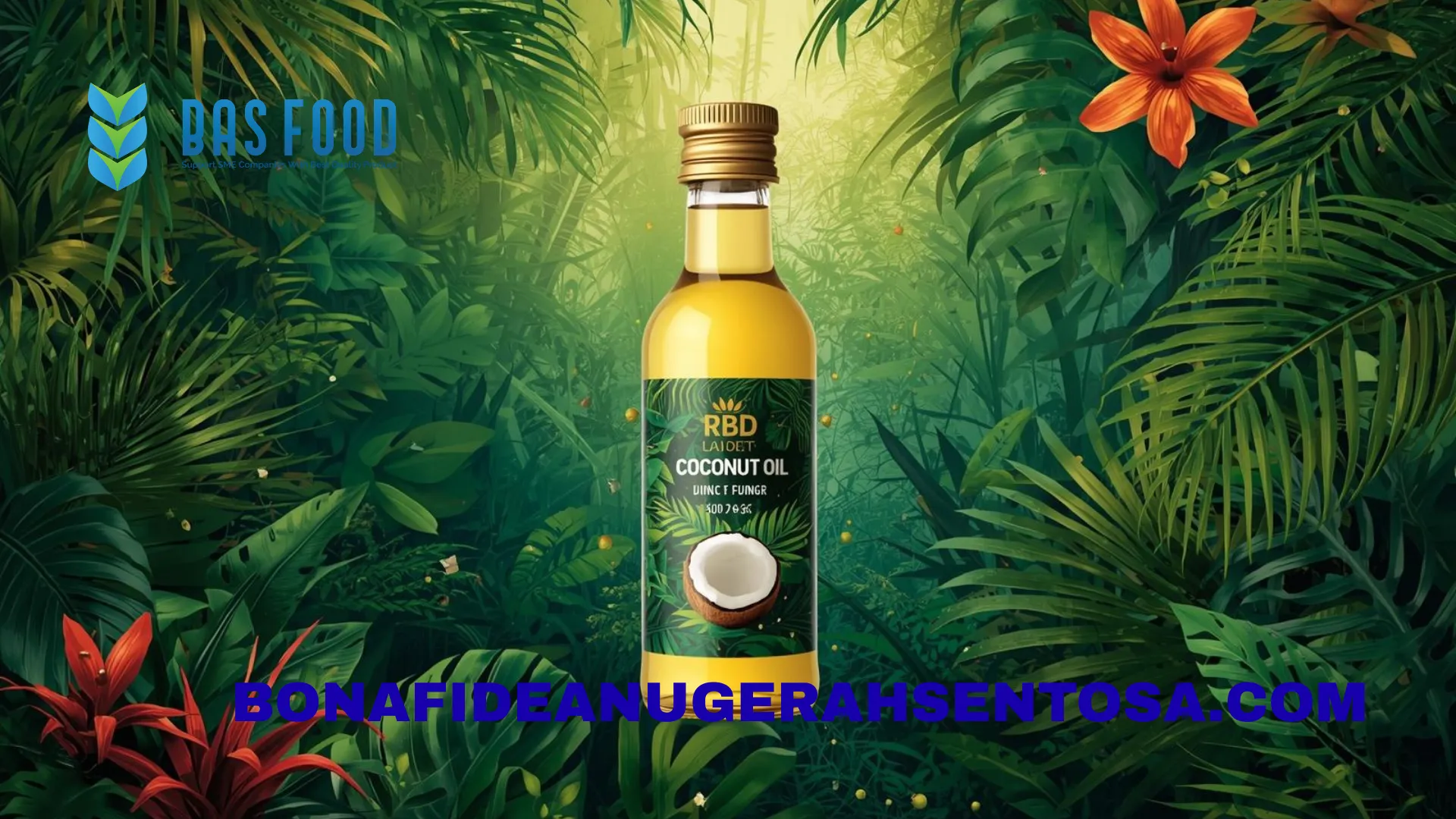
What Is RBD Coconut Oil?
RBD stands for Refined, Bleached, and Deodorized coconut oil. Producers refine crude coconut oil to remove impurities, pigments, and volatile compounds. This process results in a clear oil with a neutral flavor and odor.
Because of this neutral profile, RBD coconut oil works well in many industrial applications. Food manufacturers often use it in bakery fats, confectionery coatings, and non-dairy creamers. Meanwhile, cosmetic companies use it as a base ingredient in soaps, creams, and surfactants.
Why Businesses Need a Reliable RBD Coconut Oil Supplier
Large manufacturers depend on consistent ingredient quality. Even small variations in edible oil composition can affect texture, shelf life, or flavor stability in finished products.
A reliable RBD coconut oil supplier ensures stable specifications across production batches. In addition, the supplier must maintain proper refining standards and laboratory verification procedures.
Equally important, exporters must understand international trade requirements. Documentation, certifications, and shipping reliability all play a role in successful long-term procurement.
Key Specifications Buyers Expect
Industrial buyers normally request a technical specification sheet before approving a supplier. These documents confirm that the refined oil meets standard quality parameters.
Common specifications include:
- Free Fatty Acid (FFA) level
- Moisture and impurity content
- Peroxide value
- Color index
- Fatty acid composition
These parameters help manufacturers evaluate whether the oil is suitable for their production systems.
Major Producing Regions for RBD Coconut Oil
Coconut oil production concentrates in tropical regions where coconuts grow abundantly. Southeast Asia leads global production, particularly Indonesia and the Philippines.
These countries benefit from large coconut plantations and established refining infrastructure. Global agribusiness companies such as Wilmar International operate large refining networks across Asia.
However, smaller specialized exporters also supply refined coconut oil to international buyers. Many of these exporters focus on traceability and flexible order volumes.
Industries That Use RBD Coconut Oil
RBD coconut oil serves as a versatile raw material in several industries. Its stability and consistent melting point make it suitable for large-scale processing.
Food Industry
Food manufacturers use refined coconut oil in bakery shortenings, confectionery fats, and snack products. Because it has a neutral flavor, it does not interfere with product formulations.
Personal Care and Cosmetics
Soap manufacturers rely on coconut oil for its fatty acid profile. It supports cleansing performance and foaming properties in personal care products.
Oleochemical Manufacturing
The oleochemical industry processes coconut oil into fatty acids, fatty alcohols, and surfactants. These derivatives are widely used in detergents and industrial cleaners.
Quality Control and Refining Standards
Refining facilities must follow strict quality control procedures. The refining process involves three stages: refining, bleaching, and deodorizing.
First, refiners remove free fatty acids and impurities from crude oil. Next, bleaching removes color pigments using filtration materials. Finally, deodorization removes volatile compounds under controlled heat and vacuum conditions.
International food safety standards often reference guidelines from the Codex Alimentarius Commission, which helps harmonize edible oil specifications across global markets.
Export Compliance and Documentation
When sourcing from an RBD coconut oil supplier, importers should verify export documentation. These documents ensure transparency and regulatory compliance.
Typical export documents include:
- Certificate of Analysis (COA)
- Certificate of Origin
- Bill of Lading
- Food safety certifications such as HACCP
These records help customs authorities verify product quality and origin.
Supply Chain and Logistics Considerations
Refined coconut oil usually ships in drums, flexitanks, or ISO tanks depending on order size. Bulk shipments for large manufacturers often use flexitanks because they maximize container capacity.
Temperature conditions during transport also matter. Coconut oil can solidify in cooler environments, but the oil returns to liquid form when warmed.
Therefore, proper storage and handling procedures help maintain product quality during long-distance shipping.
Choosing the Right Export Partner
Selecting the right supplier goes beyond price comparison. Buyers should evaluate the supplier’s refining capability, laboratory testing procedures, and export experience.
Exporters that work across multiple commodity sectors often develop strong compliance systems. For example, CV Bonafide Anugerah Sentosa supplies coconut-based products along with spices, cocoa, and seafood products for international markets.
Questions Buyers Should Ask an RBD Coconut Oil Supplier
Before finalizing a purchase agreement, buyers often ask suppliers several key questions:
- What refining standards does the facility follow?
- Can the supplier provide consistent batch specifications?
- Are laboratory tests performed for every shipment?
- What export certifications are available?
- How does the supplier manage traceability?
Clear answers to these questions help reduce supply risks and ensure stable procurement.
Conclusion
RBD coconut oil remains one of the most widely traded coconut-derived ingredients in global manufacturing. Its stability, neutral profile, and functional performance make it valuable across food, cosmetic, and industrial sectors.
For importers, selecting a dependable RBD coconut oil supplier involves evaluating refining quality, documentation, and logistics capabilities. Reliable exporters that maintain strong compliance systems and transparent specifications help ensure long-term supply stability.
Contact CV Bonafide Anugerah Sentosa how we can provide the best solutions for you. WhatsApp: +62 8213 4505 737, Email: info@bonafideanugerahsentosa.com / bas.mdir@gmail.com.