
Coconut water packaging plays a critical role in maintaining freshness, extending shelf life, and influencing consumer buying decisions. As global demand for natural beverages continues to rise, brands must choose packaging that protects product quality while aligning with sustainability expectations.
In simple terms:
- Coconut water is highly perishable.
- Packaging determines shelf stability.
- The right format boosts branding and profitability.
This guide explains everything you need to know about coconut water packaging — from materials and aseptic technology to sustainability trends, cost factors, and design strategies.
If you are launching or scaling a coconut water brand, this is your complete roadmap.
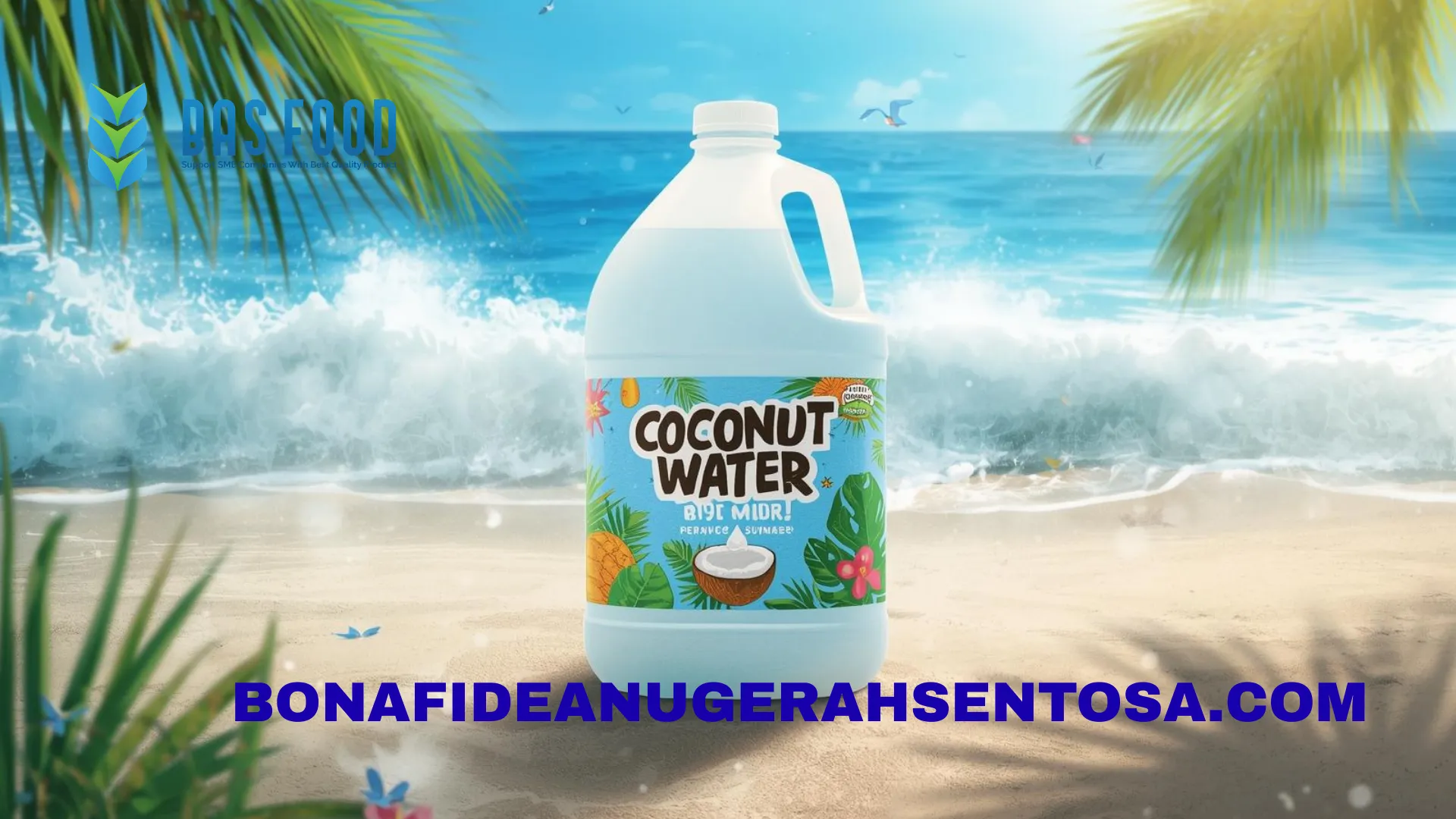
What Is Coconut Water Packaging?
Definition and Purpose
Coconut water packaging refers to the materials, containers, and technologies used to store and distribute coconut water while preserving its nutritional value, taste, and safety.
Unlike carbonated drinks, coconut water is sensitive to:
- Oxygen exposure
- Light degradation
- Microbial contamination
- Temperature fluctuations
Therefore, packaging must create a strong protective barrier.
Why Packaging Is Critical for Coconut Water Products
Coconut water oxidizes quickly. Without proper packaging:
- It turns brown
- Flavor changes
- Nutrients degrade
- Shelf life shortens dramatically
Packaging ensures:
- Extended shelf life
- Food safety compliance
- Brand differentiation
- Efficient distribution
In competitive retail markets, packaging can determine whether a product survives or fails.
Key Packaging Requirements
Effective coconut water packaging must provide:
- High oxygen barrier
- UV light protection
- Leak-proof sealing
- Food-grade safety
- Transport durability
Aseptic technology is often used to meet these requirements.
Why Coconut Water Packaging Matters for Brands
Shelf Stability & Aseptic Technology
Many leading brands use aseptic packaging systems developed by companies like Tetra Pak.
Aseptic packaging:
- Sterilizes product and container separately
- Fills in sterile conditions
- Eliminates need for preservatives
- Allows room-temperature storage
- This is crucial for export markets.
Branding and Consumer Perception
Packaging is your silent salesperson.
Consumers associate:
- Cartons with health and sustainability
- Glass with premium quality
- Aluminum cans with convenience
- Clear PET bottles with transparency
Visual design, typography, and structure shape brand identity.
Sustainability and Environmental Impact
Modern consumers expect eco-friendly packaging.
Organizations like the Sustainable Packaging Coalition advocate for recyclable, reusable, and compostable materials.
Sustainability now influences:
- Retail acceptance
- Investor interest
- Consumer loyalty
Logistics and Distribution Efficiency
Lightweight packaging reduces:
- Shipping cost
- Carbon footprint
- Storage space
Flexible packaging and cartons outperform glass in long-distance supply chains.
Types of Coconut Water Packaging
1. Aseptic Cartons
Popularized globally by Tetra Pak, aseptic cartons dominate the coconut water industry.
Advantages:
- Long shelf life (6–12 months)
- No refrigeration needed
- Excellent oxygen barrier
- Sustainable paper-based material
Disadvantages:
- Higher equipment investment
- Recycling complexity (multi-layer structure)
Best for: Mass distribution and exports.
2. PET Plastic Bottles
PET remains widely used due to cost efficiency.
Advantages:
- Lightweight
- Transparent
- Affordable
- Easy customization
Disadvantages:
- Lower oxygen barrier than cartons
- Sustainability concerns
Best for: Short-to-medium shelf life products.
3. Glass Bottles
Premium brands often choose glass.
Advantages:
- Inert material
- Premium appearance
- Fully recyclable
Disadvantages:
Heavy
- Breakable
- Higher logistics cost
Best for: Cold-pressed, high-end coconut water.
4. Aluminum Cans
Increasingly popular in functional beverage markets.
Advantages:
- Strong light barrier
- High recyclability
- Portable
- Trendy image
Disadvantages:
- Requires lining to prevent reaction
- Limited transparency
Best for: On-the-go consumers.
5. Pouches & Flexible Packaging
Stand-up pouches are gaining traction.
Advantages:
- Extremely lightweight
- Cost-efficient
- Modern look
Disadvantages:
- Recycling challenges
- Perceived as lower quality in some markets
Sustainable Coconut Water Packaging Trends
Biodegradable & Compostable Materials
Brands are experimenting with:
- PLA (plant-based plastic)
- Compostable films
- Fiber-based bottles
However, infrastructure remains limited in many regions.
Recyclable Packaging Innovations
Governments and agencies such as the Food and Agriculture Organization emphasize waste reduction in food systems.
Trends include:
- Mono-material packaging
- Easy-to-separate layers
- Clear recycling labels
Plant-Based Plastics
Bio-PET and sugarcane-based plastics reduce carbon footprint while maintaining functionality.
Consumer Demand for Eco-Friendly Packaging
Surveys consistently show:
- Younger consumers prefer sustainable brands
- Eco-labels influence buying decisions
- Transparency increases trust
- Sustainability is no longer optional.
How to Choose the Right Coconut Water Packaging
Use this 5-step framework:
1: Define Your Target Market
- Premium or mass market?
- Local or export?
- Retail or foodservice?
2: Determine Shelf Life Strategy
- Cold-pressed (short shelf life)
- Pasteurized
- UHT aseptic
- Shelf life drives packaging choice.
3: Evaluate Cost Structure
Consider:
- Material cost
- Filling equipment
- Minimum order quantity
- Storage cost
Step 4: Assess Sustainability Goals
Are you aiming for:
- 100% recyclable?
- Carbon-neutral?
- Plastic-free?
Step 5: Align with Brand Positioning
Your packaging must match:
- Brand story
- Target consumer
- Price point
Quick Checklist
- High oxygen barrier?
- Meets regulatory standards?
- Affordable at scale?
- Consumer-friendly design?
- Sustainable?
If yes, you likely have the right solution.
Coconut Water Packaging Design Strategies
Minimalist vs Premium Branding
Minimalist works for health-conscious audiences.
Premium works for specialty or organic segments.
Labeling Regulations
Follow guidelines from authorities such as the U.S. Food and Drug Administration when selling in the U.S.
Ensure compliance with:
- Nutrition facts
- Ingredient declaration
- Allergen statements
Functional Design
Consumers prefer:
- Easy-open caps
- Resealable lids
- Ergonomic grip
- Portable sizes (250ml–500ml)
Smart Packaging & QR Codes
QR codes allow:
Traceability
Sustainability storytelling
Direct-to-consumer marketing
Cost Factors in Coconut Water Packaging
Major cost drivers include:
- Raw material prices
- Aseptic filling technology
- Custom mold development
- Transportation distance
- Printing complexity
Cartons often have higher initial setup cost but lower long-term logistics cost.
Common Mistakes in Coconut Water Packaging
Avoid these critical errors:
- Ignoring oxygen transmission rate (OTR)
- Choosing aesthetics over functionality
- Overestimating shelf life
- Making unverified sustainability claims
- Underestimating export requirements
Smart packaging decisions prevent expensive recalls.
FAQ About Coconut Water Packaging
1. What is the best packaging for coconut water?
Aseptic cartons are generally the best for long shelf life without preservatives, while aluminum cans and PET bottles are popular for convenience markets.
2. Is coconut water packaging recyclable?
Many formats are recyclable, including aluminum cans and glass bottles. Cartons are recyclable in regions with proper facilities.
3. How long does coconut water last in aseptic packaging?
Typically 6–12 months at room temperature if properly processed.
4. Is sustainable coconut water packaging more expensive?
Initially yes, but it can increase brand value and customer loyalty, offsetting costs.
5. Why does coconut water turn brown?
Oxidation occurs when oxygen penetrates the packaging or processing is inadequate.
Conclusion
Coconut water packaging is not just a container — it is a strategic business decision.
The right packaging:
- Protects freshness
- Extends shelf life
- Enhances brand positioning
- Reduces environmental impact
- Improves profitability
Whether you choose aseptic cartons, PET bottles, aluminum cans, or glass, your decision should align with shelf life goals, sustainability strategy, and target audience.
In a competitive beverage market, packaging is your competitive advantage.
Planning to launch or improve your coconut water brand?
Start by evaluating your packaging strategy today. The right coconut water packaging can increase shelf life, boost sales, and strengthen your brand positioning in 2026 and beyond.
If you need help building a complete beverage packaging strategy, consider developing a full packaging roadmap tailored to your market.
Contact CV Bonafide Anugerah Sentosa how we can provide the best solutions for you. WhatsApp: +62 8213 4505 737, Email: info@bonafideanugerahsentosa.com / bas.mdir@gmail.com.