
Coconut water processing directly influences flavor stability, microbiological safety, and export consistency. For importers comparing suppliers, understanding coconut water processing helps assess product reliability and long-term performance. Therefore, transparency in production methods reduces commercial risk.
This article explains key stages in production, regulatory considerations, quality control systems, and operational best practices relevant to global trade.
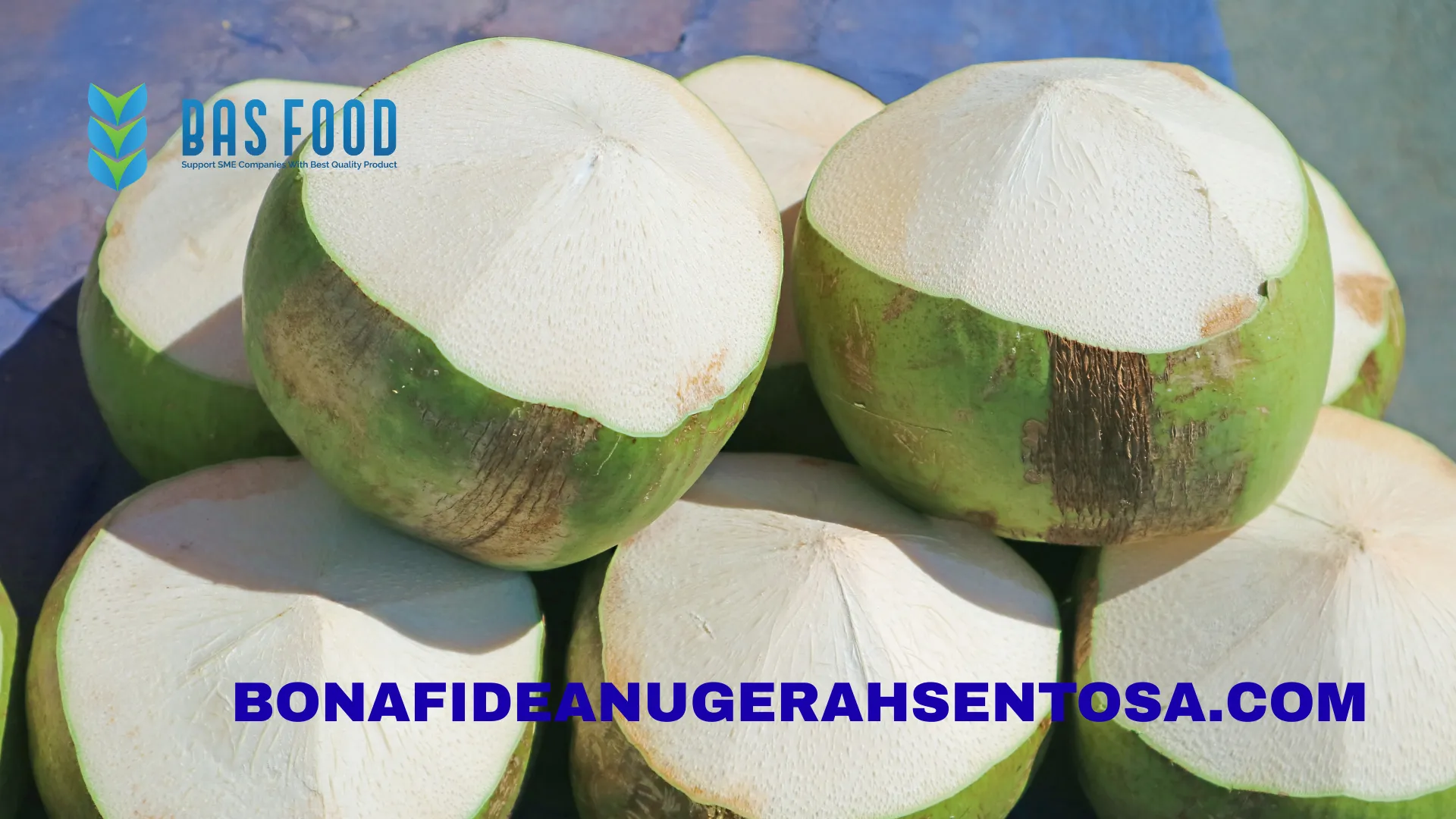
Overview of Coconut Water Processing
Coconut water processing begins immediately after harvesting young green coconuts. Producers must extract the liquid quickly to prevent oxidation and microbial growth. As a result, time control between harvest and extraction is critical.
Once extracted, the liquid moves through filtration and stabilization steps. Each stage influences clarity, taste, and shelf life.
Raw Material Selection and Harvest Timing
Processing quality starts at the farm level. Producers select coconuts at the correct maturity stage to maintain balanced sugar and mineral levels.
Inconsistent harvest timing may lead to variations in Brix and pH. Therefore, structured sourcing programs improve batch uniformity.
Filtration and Clarification Techniques
After extraction, processors remove fibers and particulate matter through filtration systems. Fine filtration improves visual clarity and reduces contamination risk.
Some facilities use multi-stage filtration to achieve stable turbidity levels. Consequently, finished products meet export appearance standards.
Pasteurization and Thermal Stabilization
High-Temperature Short-Time (HTST)
Many facilities apply HTST pasteurization to eliminate harmful microorganisms. This method uses controlled heat exposure for a short duration.
When properly calibrated, HTST maintains sensory quality while ensuring safety.
Ultra-High Temperature (UHT)
Some exporters use UHT systems for extended shelf life. However, excessive heat can alter delicate flavor notes. Therefore, temperature monitoring remains essential.
Aseptic Filling and Packaging Systems
Aseptic filling protects coconut water from post-process contamination. Sterile bag-in-drum systems are common for bulk export.
This packaging format reduces spoilage risk and simplifies international shipping. Moreover, it allows ambient storage under controlled warehouse conditions.
Concentration and Evaporation Methods
In concentrate production, processors remove part of the water under controlled conditions. Evaporation increases soluble solids and reduces shipping volume.
However, precise reconstitution instructions are required. Therefore, exporters provide technical guidelines to buyers.
Regulatory and Food Safety Compliance
Coconut water processing must align with international food safety frameworks. Facilities commonly implement HACCP plans and documented preventive controls.
Export destinations such as the European Union and the United States require traceability and laboratory verification. Consequently, accurate batch records become essential.
Quality Control Systems and Laboratory Testing
Quality assurance teams monitor Brix, pH, microbiological limits, and packaging integrity. These tests confirm that each batch meets specification.
This structured control mirrors systems used in seafood exports. Tuna species such as skipjack, yellowfin, and bluefin require strict temperature and documentation standards. Experience in managing seafood export regulations strengthens process discipline in coconut-based production.
Logistics and Handling After Processing
Even after stabilization, handling practices influence product integrity. Exporters manage clean warehouse conditions and monitor container loading procedures.
Although freezing is not required, controlled storage protects packaging and prevents quality loss. Therefore, logistics planning supports consistent delivery outcomes.
Risks Associated with Poor Processing Practices
Delayed extraction can increase microbial load. Inadequate pasteurization may reduce shelf stability.
Furthermore, weak documentation can create customs delays. Importers should review processing flow charts and quality manuals before approving suppliers.
Best Practices for Importers Evaluating Suppliers
First, request detailed process descriptions and certification records. Second, verify laboratory testing frequency and documentation transparency. Third, review factory audit results where available.
Working with exporters experienced in multi-commodity trade can strengthen reliability. CV Bonafide Anugerah Sentosa, an Indonesian exporter, handles coconut-based products alongside tuna, spices, and cocoa. Managing seafood shipments under strict international compliance builds operational discipline that benefits beverage ingredient processing as well.
For further technical details, buyers should review the production facility documentation available on our factory page.
Linking Processing Methods to Long-Term Supply Stability
Coconut water processing standards determine batch consistency and shelf life. When suppliers implement structured controls, buyers gain predictable performance.
Clear documentation, validated equipment, and trained personnel reduce operational uncertainty. Therefore, transparent processing systems support sustainable trade partnerships.
Conclusion
Coconut water processing shapes product quality at every stage, from harvest to shipment. Extraction timing, filtration systems, pasteurization methods, and packaging choices all influence stability and compliance.
Importers who evaluate production methods carefully can reduce risk and secure reliable supply. Strong quality control systems and export-ready documentation remain central to consistent international trade.
FAQ Section
1. What is the most common coconut water processing method?
Most producers use filtration followed by HTST pasteurization and aseptic filling for bulk export.
2. Does UHT processing affect flavor?
UHT can extend shelf life, but excessive heat may slightly change flavor characteristics.
3. Why is aseptic packaging important?
Aseptic systems prevent contamination after pasteurization and support ambient storage.
4. How do exporters ensure microbiological safety?
They apply HACCP controls, laboratory testing, and validated thermal processes.
5. What should importers review before approving a supplier?
Importers should examine process flow documentation, certifications, laboratory data, and traceability systems.
Contact CV Bonafide Anugerah Sentosa how we can provide the best solutions for you. WhatsApp: +62 8213 4505 737, Email: info@bonafideanugerahsentosa.com / bas.mdir@gmail.com.