
Cocoa powder looks simple. It is dry, fine, and easy to scoop. However, many producers, food brands, and even home users face the same issue: cocoa powder clumping. At first, it may seem like a small problem, but over time it can affect quality, consistency, and customer satisfaction.
For food manufacturers and FMCG brands, clumping is more than an inconvenience. It can slow production, create uneven flavor, and lead to product rejection. That is why understanding cocoa powder clumping is important for anyone working with cocoa, from small bakeries to global brands.
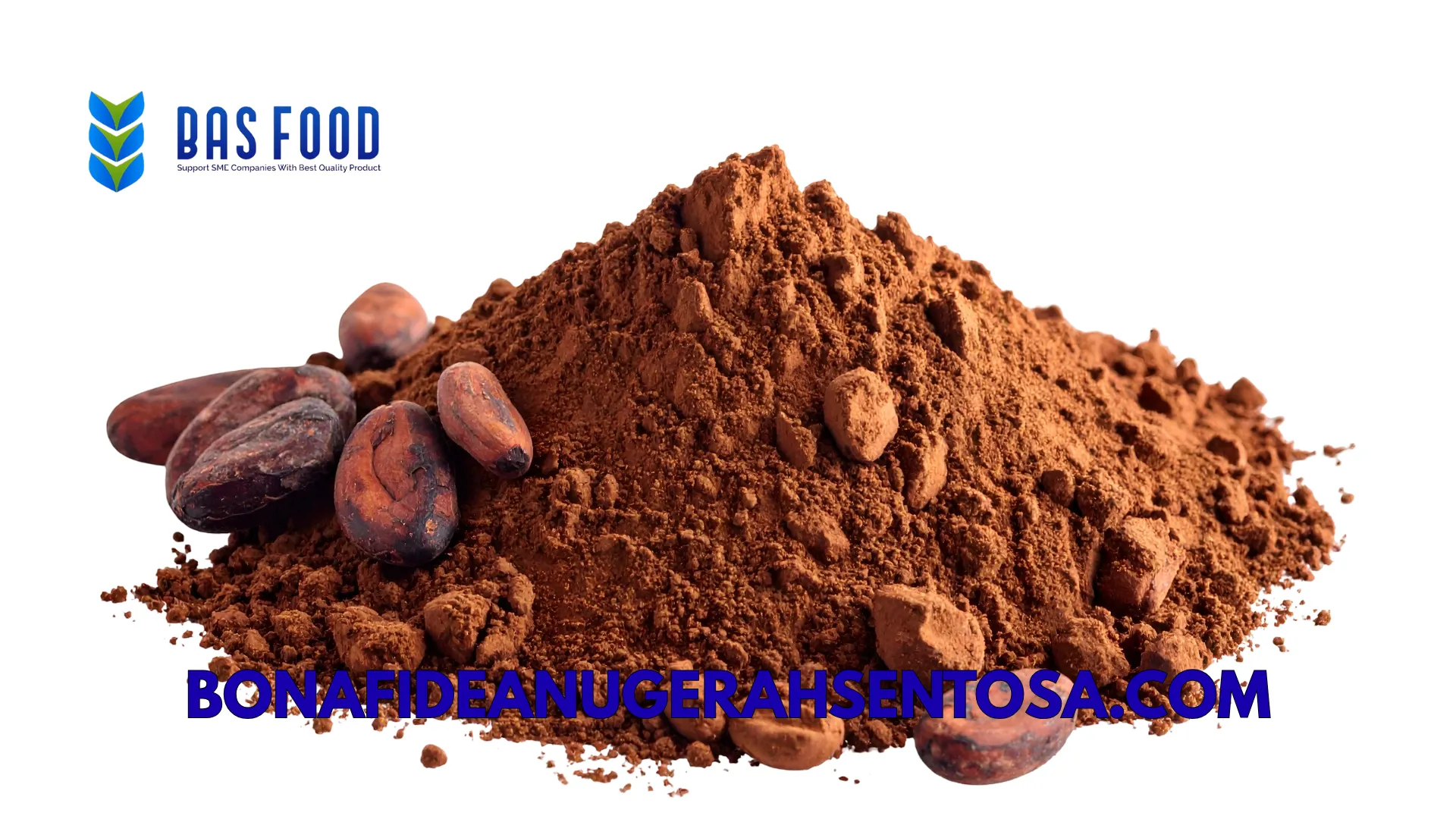
What Cocoa Powder Clumping Really Means
Cocoa powder clumping happens when fine cocoa particles stick together and form lumps. Instead of flowing freely, the powder becomes uneven and hard to mix. This often appears during storage, transport, or mixing.
Although cocoa powder looks dry, it naturally attracts moisture and fat. Because of this, clumping is not a sign of poor quality alone. In many cases, it is a result of environmental factors and handling methods.
Moisture: The Biggest Cause of Cocoa Powder Clumping
Moisture is the number one reason cocoa powder clumping occurs. Cocoa powder is hygroscopic, which means it absorbs water from the air. Even small amounts of humidity can cause particles to bind together.
This problem often appears in tropical regions or humid warehouses. Without proper storage, cocoa powder can clump even before it reaches production lines. Therefore, controlling moisture is the first step in prevention.
Fat Content and Its Role in Clumping
Cocoa powder contains natural cocoa butter. Depending on the type, fat content can range from low fat to high fat. Higher fat cocoa powder tends to clump more easily.
When temperature changes, cocoa butter can soften slightly. As a result, particles stick together. This explains why cocoa powder clumping is more common during shipping or seasonal temperature changes.
Particle Size and Processing Methods
Fine cocoa powder dissolves better in recipes, but it also increases the risk of clumping. Smaller particles have more surface area, which makes them more reactive to moisture and fat.
Processing methods also matter. Poor grinding or inconsistent particle size can increase clumping. That is why sourcing cocoa powder from experienced producers is critical for stable performance.
Storage Conditions That Trigger Clumping
Improper storage is a silent contributor to cocoa powder clumping. Warm temperatures, open bags, and poor ventilation create the perfect environment for lumps to form.
Ideally, cocoa powder should be stored in a cool, dry place with controlled humidity. Sealed packaging and food grade containers help reduce exposure to air and moisture.
Transportation and Handling Issues
During transport, cocoa powder may face temperature changes, vibration, and long transit times. These conditions increase the chance of clumping, especially in export shipments.
Trusted suppliers pay close attention to packaging and logistics. CV Bonafide Anugerah Sentosa, for example, understands how handling affects cocoa powder quality. As a producer and supplier of cocoa, fishery, spices, and coconut products, they focus on export ready standards to protect product integrity.
How Clumping Affects Product Quality
Cocoa powder clumping can lead to uneven color and flavor in finished products. In beverages, it causes floating lumps. In baking, it creates inconsistent taste and texture.
From a business perspective, this can increase waste and customer complaints. Brands aiming for consistency must address clumping early in the supply chain.
Simple Ways to Prevent Cocoa Powder Clumping
Preventing cocoa powder clumping starts with proper storage. Always keep cocoa powder sealed and away from humidity. Using moisture barrier packaging makes a big difference.
In production, pre sifting cocoa powder before mixing helps break small lumps. Temperature control during storage and processing also reduces the risk of clumping.
Choosing the Right Cocoa Powder for Your Application
Not all cocoa powders behave the same way. Low fat cocoa powder clumps less, while high fat cocoa powder offers richer flavor but needs more care.
Working with knowledgeable suppliers helps brands choose the right type. CV Bonafide Anugerah Sentosa supports buyers by offering cocoa powder options that match specific product needs.
Industrial Solutions for Large Scale Producers
For large FMCG brands, manual methods are not enough. Anti caking systems, controlled humidity rooms, and automated sieving machines are often used.
These investments reduce production downtime and improve consistency. Over time, they also lower operational costs by minimizing waste.
Quality Control and Supplier Responsibility
Quality control does not stop at production. Reliable suppliers monitor moisture levels, fat content, and packaging quality before shipment.
As a trusted supplier and producer, CV Bonafide Anugerah Sentosa applies strict quality checks across its cocoa, fishery, spices, and coconut product lines. This approach helps buyers avoid common issues like cocoa powder clumping.
Cocoa Powder Clumping in Export Markets
Export markets often have stricter quality expectations. Buyers in Europe and the USA expect cocoa powder to arrive free flowing and easy to use.
Therefore, exporters must manage storage, packaging, and shipping carefully. Preventing clumping protects brand reputation and long term business relationships.
Educating End Users and Customers
Sometimes clumping happens after the product reaches customers. Clear storage instructions on packaging help reduce complaints.
Simple guidance such as keeping the product dry and sealed adds value. Educated customers are more forgiving and confident in the brand.
Final Thoughts: Turning a Problem Into a Strength
Cocoa powder clumping is a common issue, but it is manageable. With the right knowledge, handling, and sourcing, brands can prevent it effectively.
Partnering with experienced suppliers like CV Bonafide Anugerah Sentosa allows businesses to focus on growth instead of technical problems. Understanding cocoa powder clumping is not just about fixing lumps. It is about delivering consistent quality every time.
Contact CV Bonafide Anugerah Sentosa how we can provide the best solutions for you. WhatsApp: +62 8213 4505 737, Email: info@bonafideanugerahsentosa.com / bas.mdir@gmail.com.